


















News, Product News
Industrial Sweeper Machine Buying Guide | Baiyi Electric
How to Choose an Industrial Sweeper Machine for a Factory or Warehouse
The right industrial sweeper machine must fit your cleaning route as well as your workload. A wide machine may cover an open floor quickly but struggle to turn between storage racks. A smaller machine may reach every aisle but need more stops to empty its hopper.
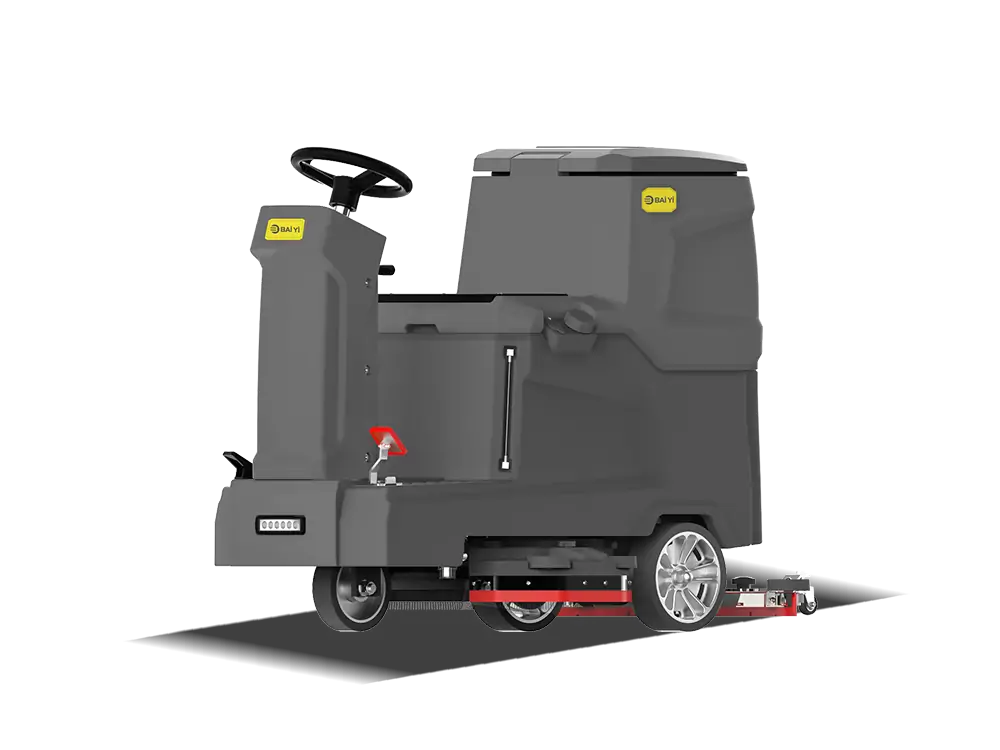
Baiyi offers electric ride-on sweepers in different sizes. This guide compares a small, medium and large model, then explains what to check before requesting a quote.
Start With Your Cleaning Route
Map every area the machine will clean, including production floors, warehouse aisles, entrances and loading bays. Measure the narrowest doorway and passage, then check the space available for turning.
Do not use sweeping width alone to judge whether a machine will fit. Sweeping width describes the area covered by the brushes; overall vehicle width determines whether the machine can pass through an entrance. Also check the vehicle’s length and height wherever space is limited.
Record when cleaning can take place. Forklift traffic, shift changes and loading schedules may leave less uninterrupted sweeping time than the facility’s opening hours suggest.
Identify the Debris and Floor Conditions
List the materials the machine needs to collect, such as packaging scraps, sand, tracked-in dirt or loose production debris. Note where debris accumulates and whether the surface is smooth, uneven, indoors or outdoors.
For fine dust, ask Baiyi about the proposed model’s suction, filtration and dust-control configuration, including filter maintenance. If your facility handles materials with specific safety requirements, confirm that the selected equipment is suitable before use.
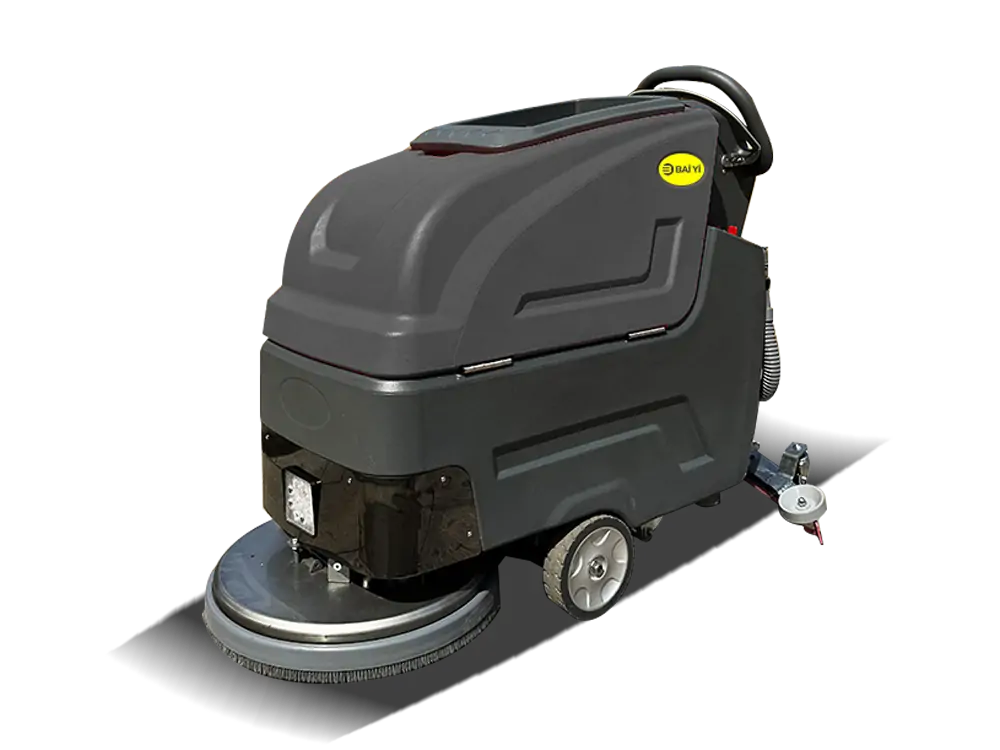
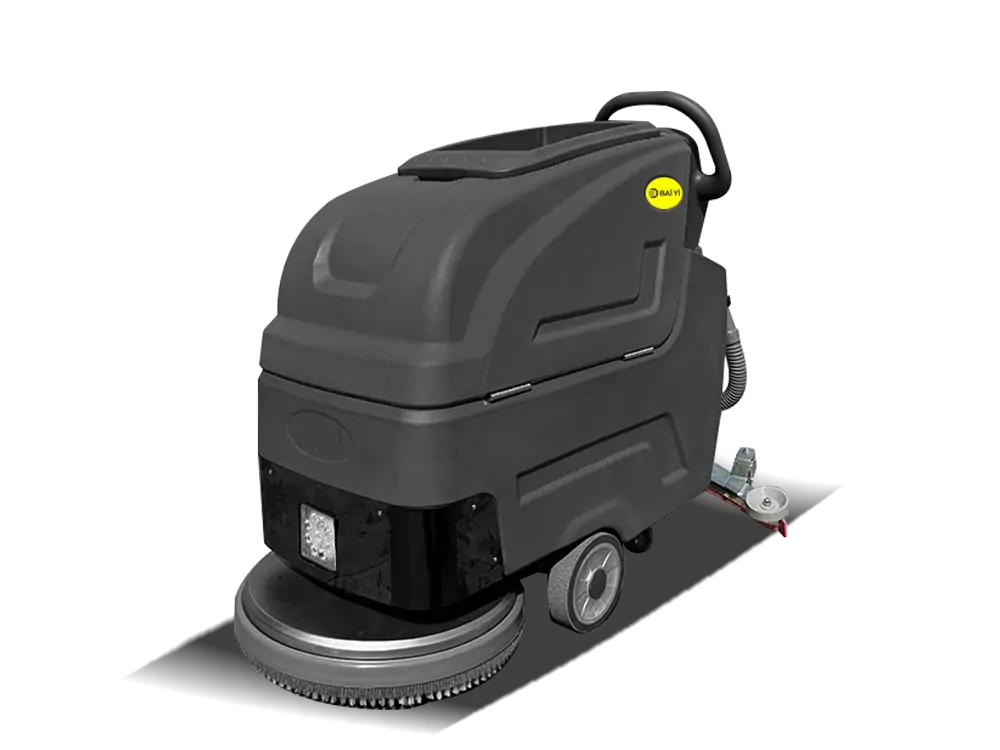
A sweeper collects loose debris. If the main cleaning problem is oil, sticky residue or wet contamination, include floor-scrubbing equipment in your assessment.
Compare Small, Medium and Large Baiyi Sweepers
Baiyi’s industrial sweeper range includes models for different facility layouts. The three examples below provide clear starting points by overall vehicle width and hopper capacity.
| Size | Model | Published overall width | Published hopper capacity | Site requirement to assess |
|---|---|---|---|---|
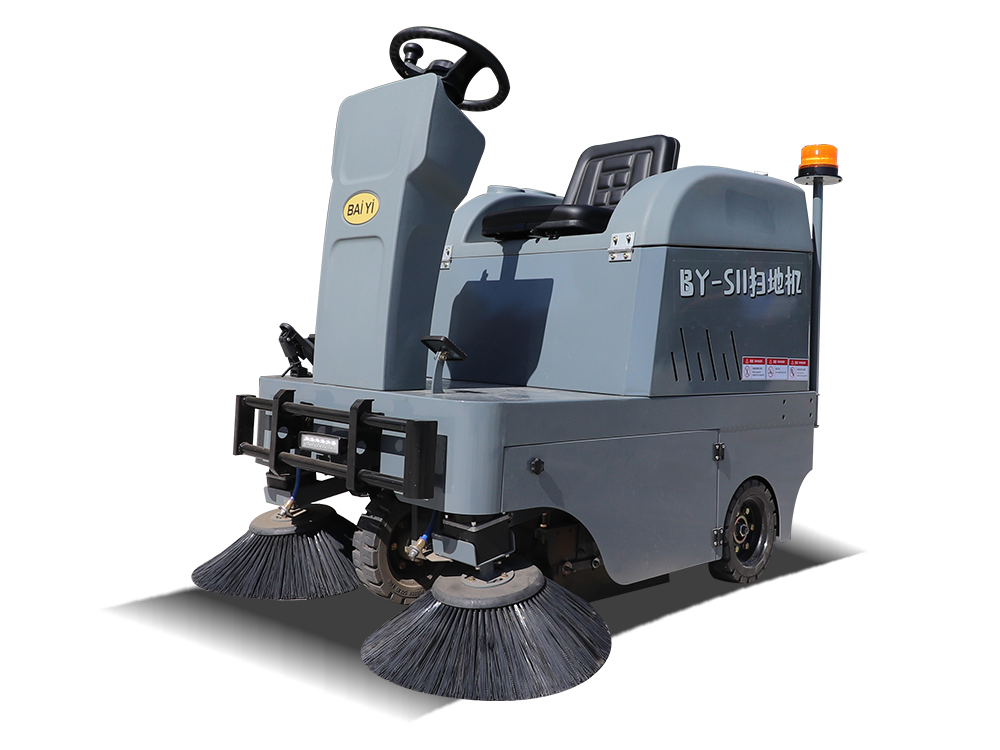
| Small | BY-S11 | 1.2 m | 100 L | Narrow passages and shorter cleaning sessions |
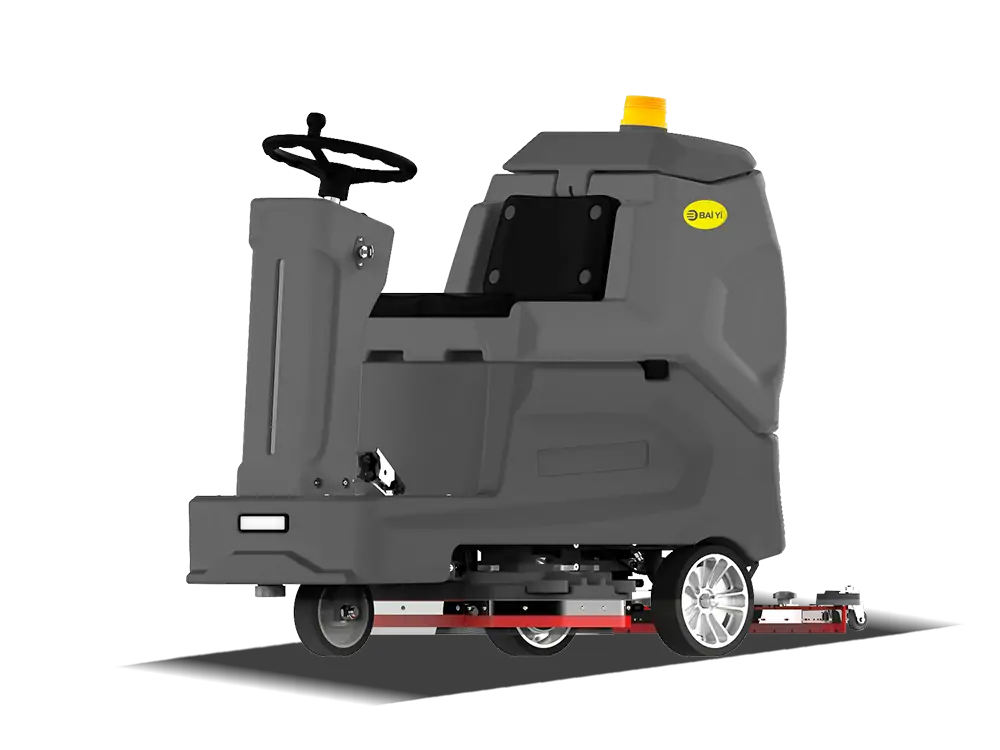
| Medium | BY-S15 | 1.5 m | 180 L | Factory routes that need more collection capacity while retaining room to maneuver |
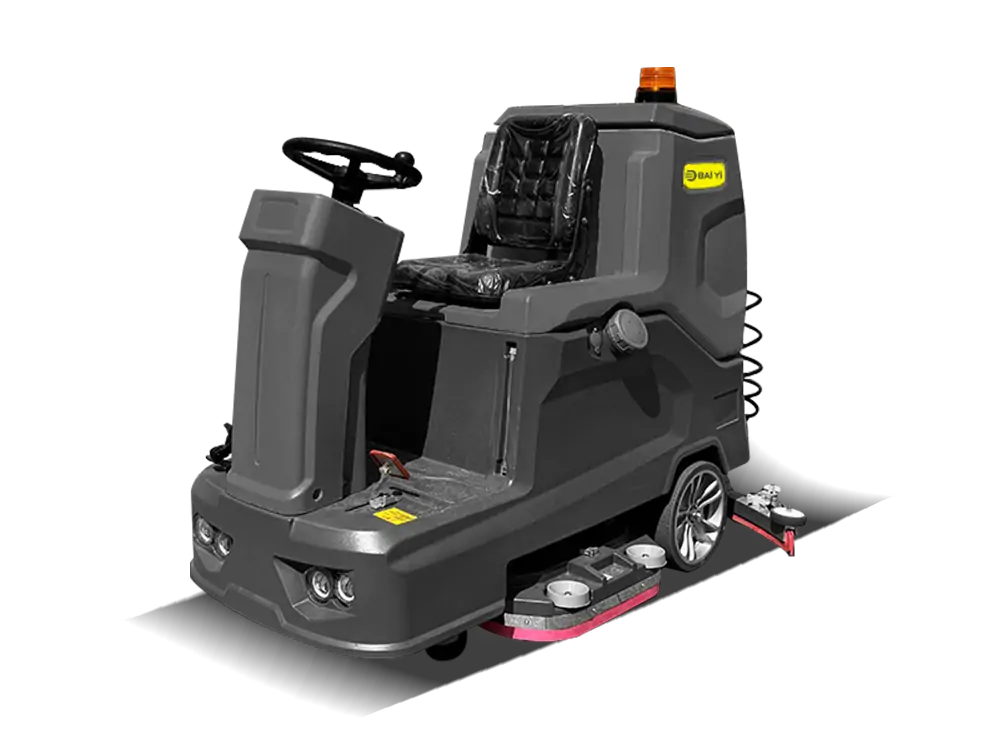
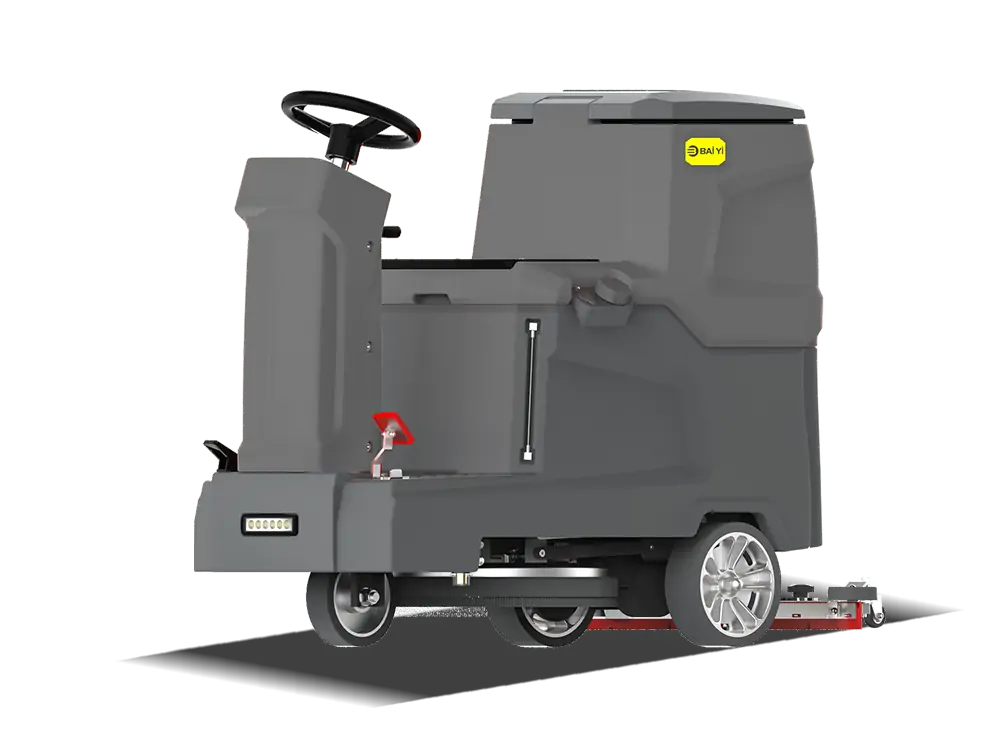
| Large | BY-S20 | 2.0 m | 260 L | Wider routes and larger volumes of collected debris |
Small, medium and large are comparison labels based on the published overall widths of these three models.
Small: BY-S11 for restricted routes
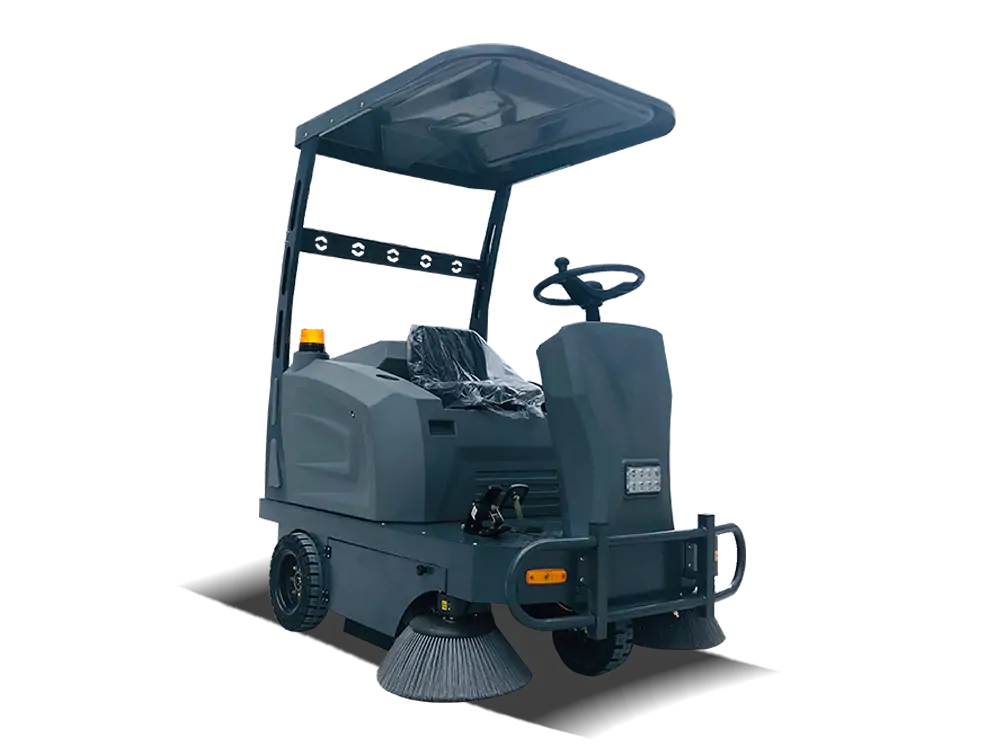
The BY-S11 is the first model to assess when access is the main constraint. Check its complete dimensions against doorways, aisle ends and storage areas. Its published working time is 2.5–3.5 hours, so include charging in the daily schedule.
Medium: BY-S15 for mixed factory routes
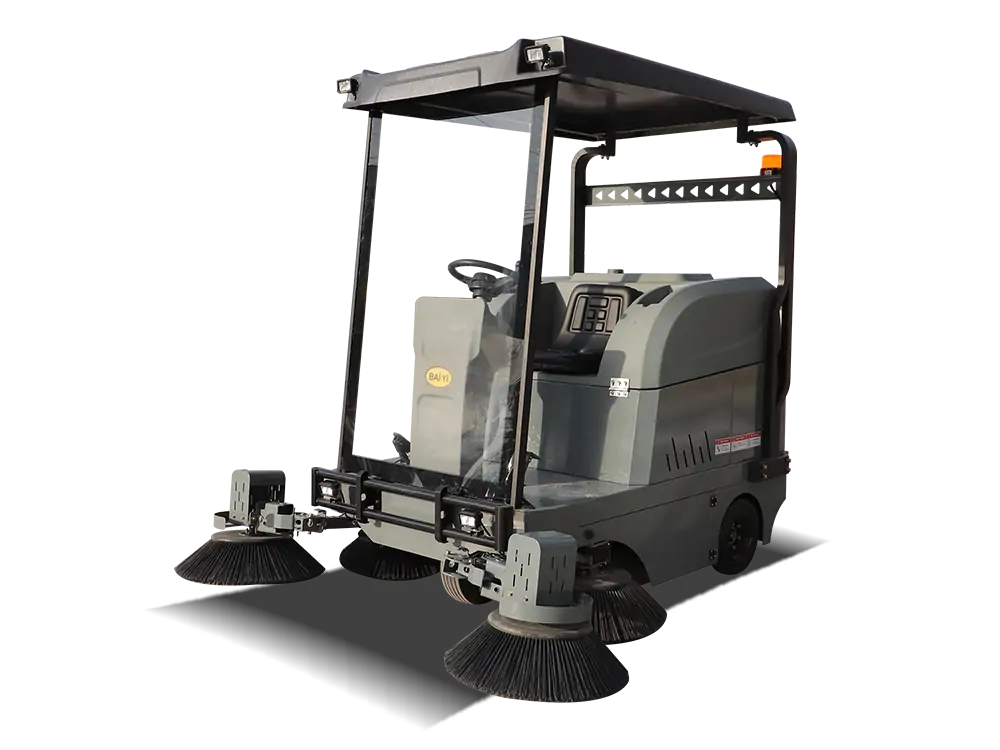
The BY-S15 offers a middle option in overall width and hopper capacity. It may suit a route with wider passages and more debris to collect. Its published working time is 5–6 hours; confirm whether that covers your planned cleaning window.
Large: BY-S20 for open areas
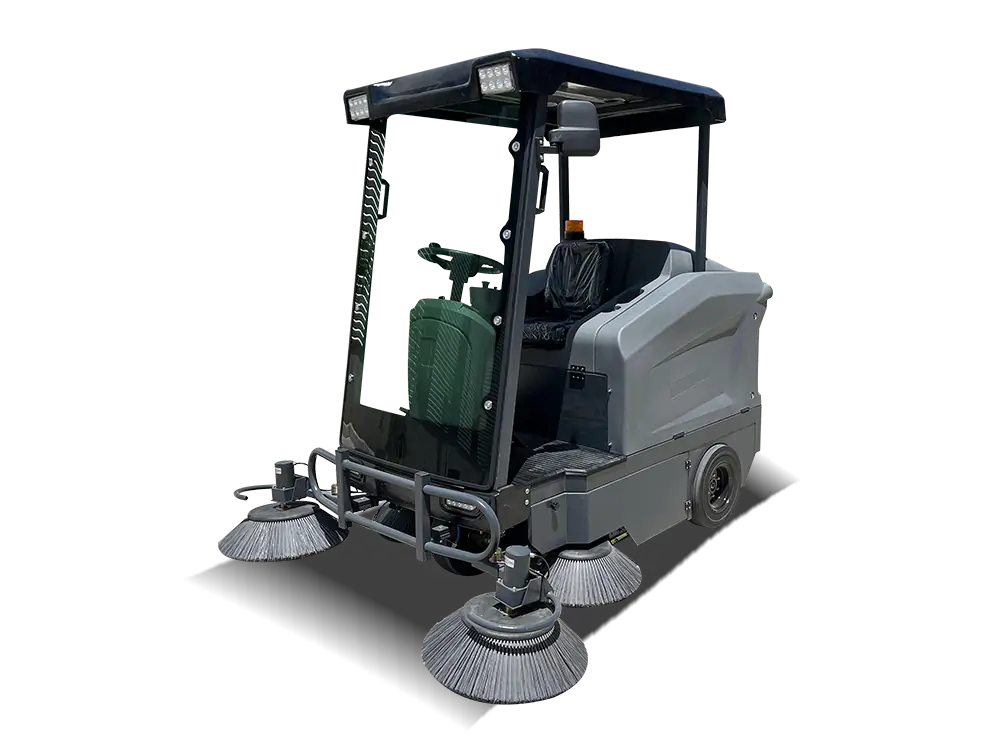
The BY-S20 has the largest published hopper of these three models and a stated working time of 6–8 hours. Assess it for wider factory floors, warehouse routes and outdoor facility areas where its full dimensions leave enough room to pass and turn.
Estimate the Work in a Full Shift
A published hourly cleaning rate is useful for comparing models, but stops and obstacles affect daily output. Build an estimate from your actual route:
- Measure the floor area that requires regular sweeping.
- Allow time to turn, travel between areas and yield to people or vehicles.
- Estimate how often collected debris will require hopper emptying.
- Check the distance to the waste-disposal and charging points.
If possible, trial the shortlisted warehouse sweeper machine on your own floor. Record the area cleaned, time spent, debris collected and any visible dust. A site trial gives your team a firmer basis for choosing between sizes.
Compare the Full Cost of Ownership
Purchase price is one part of the decision. Ask for a quotation that clearly lists the battery, charger, brushes, filters, warranty coverage, spare parts and operator training.
Also confirm the daily inspection and maintenance tasks for each proposed model. Easy access to replacement parts and a workable service plan can reduce disruption when the machine is used every day.
Request a Recommendation for Your Site
Send Baiyi your floor area, narrowest passage, surface type, debris description, cleaning schedule and charging conditions. Ask for the latest specification sheet and a model recommendation based on those details.
Explore the Baiyi industrial sweeper range, or contact Baiyi to discuss your route and request a quote.