


















News, Product News
Electric Street Sweepers for Municipal Roads | Baiyi Enviro
Electric Street Sweepers: Find the Right Baiyi Model for Your Route
Choosing an electric street sweeper starts with the route it must clean. A narrow residential lane, a factory road and a wide municipal street place different demands on sweeping width, waste capacity, water supply and charging time.
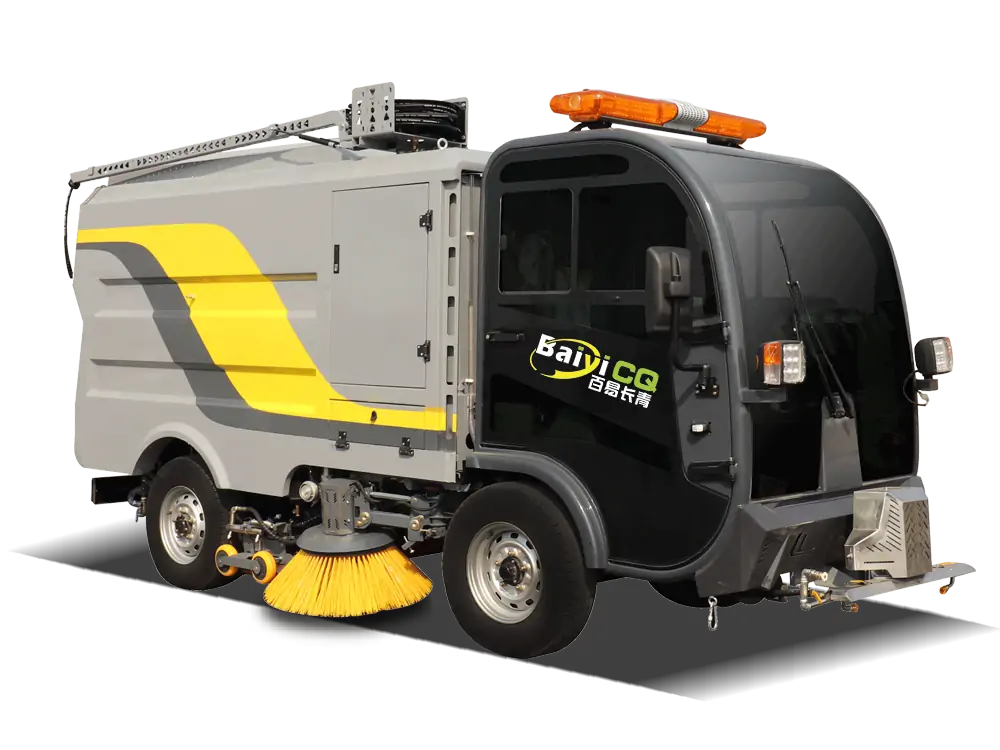
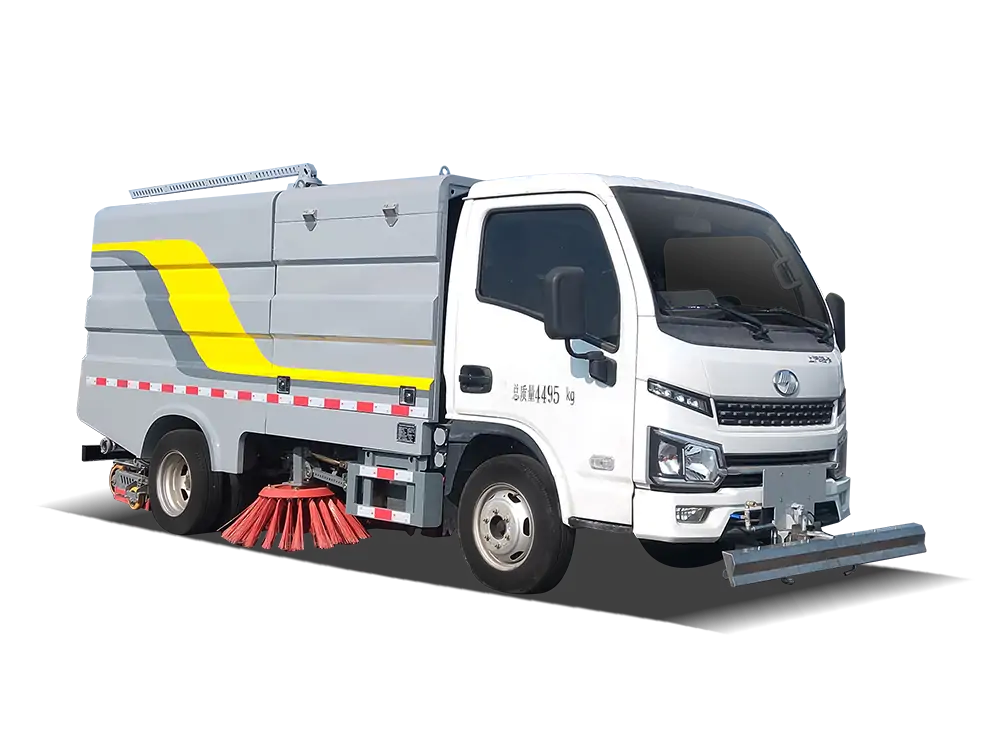
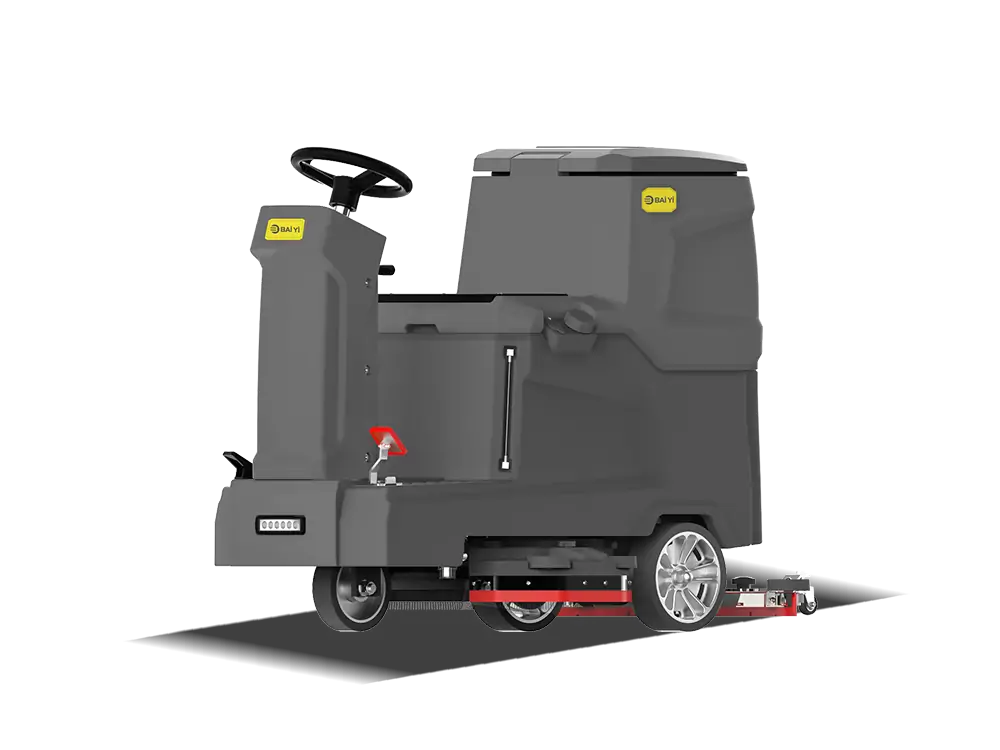
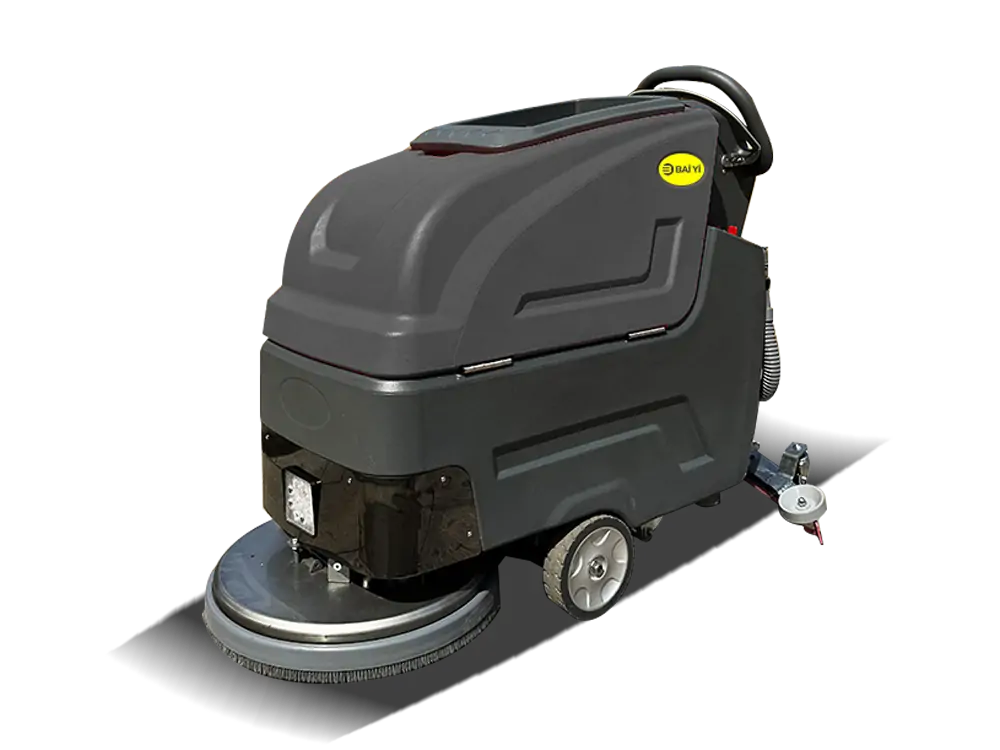
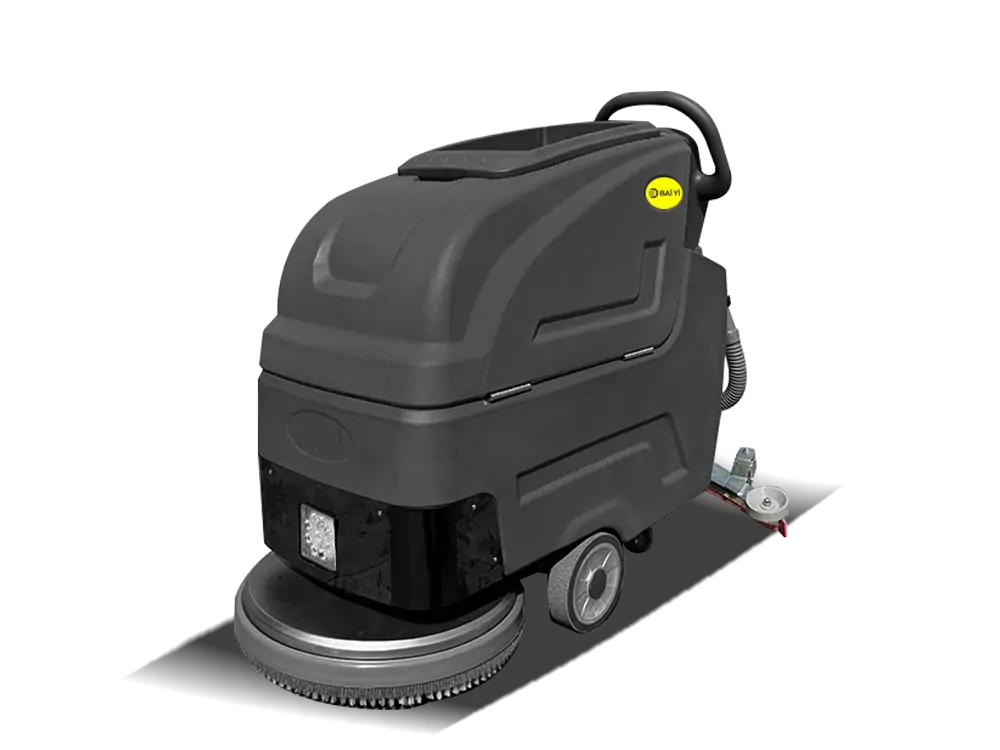
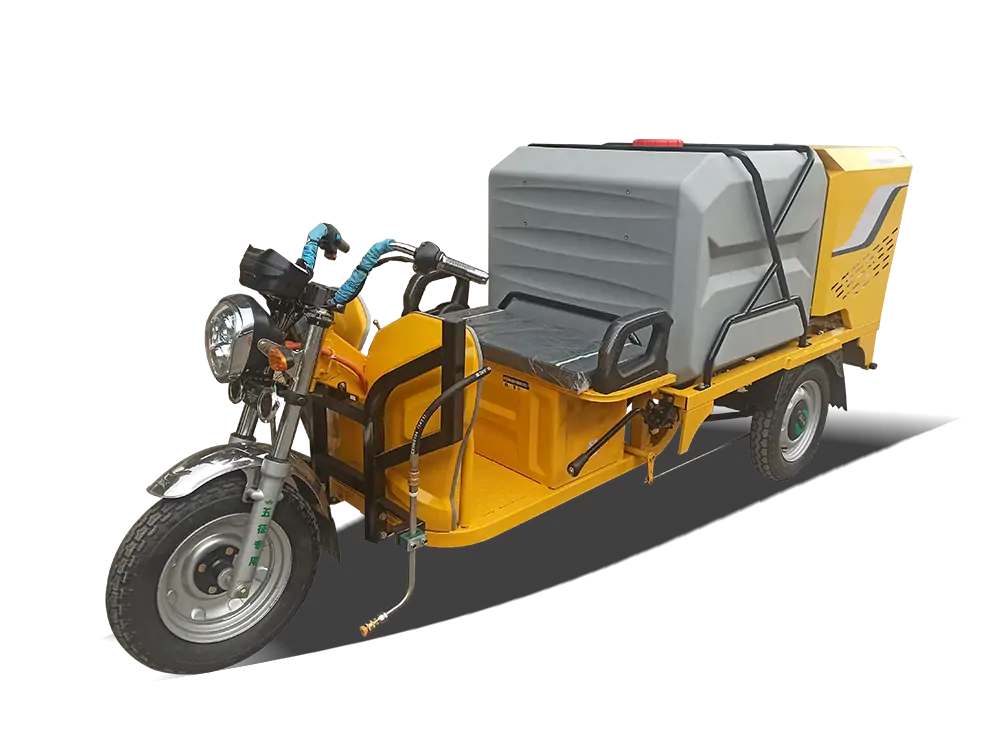
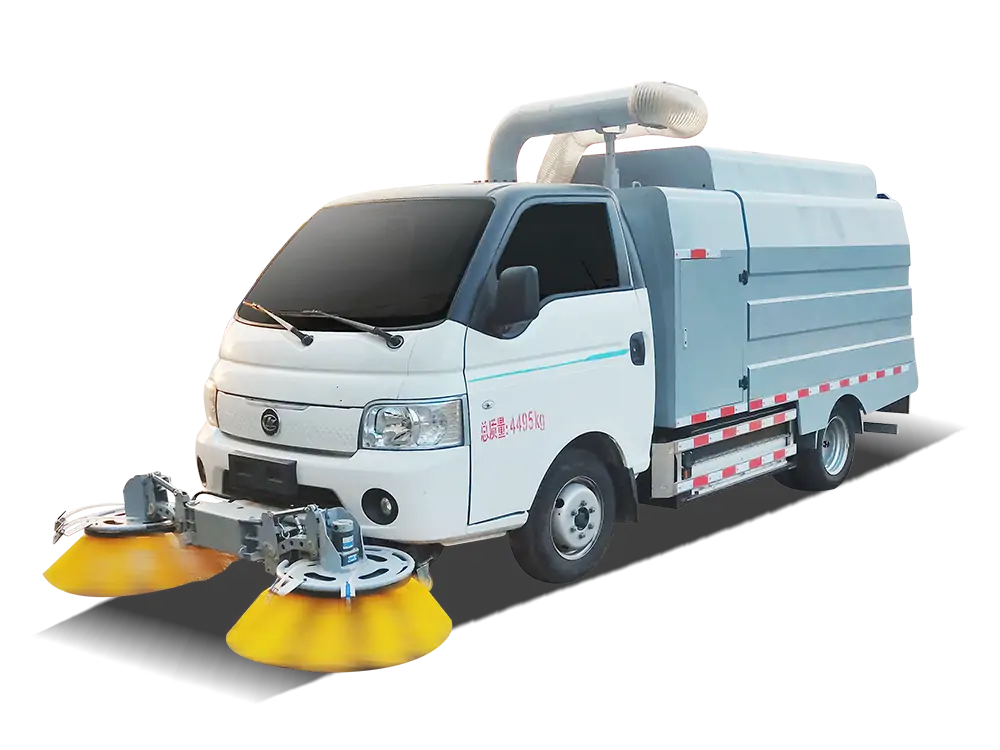
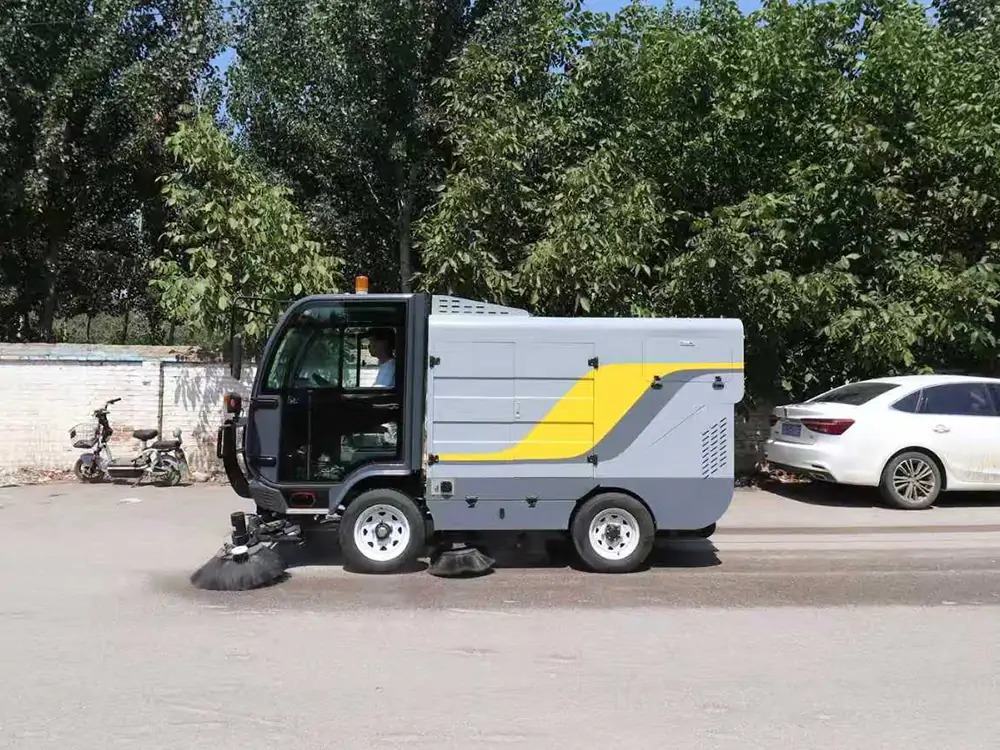
Baiyi’s street sweeper range includes compact sweepers and larger sweeper-washer vehicles. This guide helps you narrow the options before requesting a specification sheet and quotation.
Start With the Surface and the Waste
Map the full cleaning route before comparing machines. Record the narrowest entrance, turning space, road gradient and distance between collection points. Note whether the vehicle will collect leaves and litter, fine dust, or a mixture of debris that also requires washing.
The pickup system matters. Mechanical broom, vacuum and regenerative air sweepers use different methods to move debris into a hopper. These terms should not be treated as interchangeable. Ask Baiyi to confirm the brush, suction and washing configuration of the specific model you are considering.
Compare Baiyi Street Sweeper Models
| Model | Published sweeping width | Published cleaning efficiency | Capacity detail shown by Baiyi | A useful starting point for |
|---|---|---|---|---|
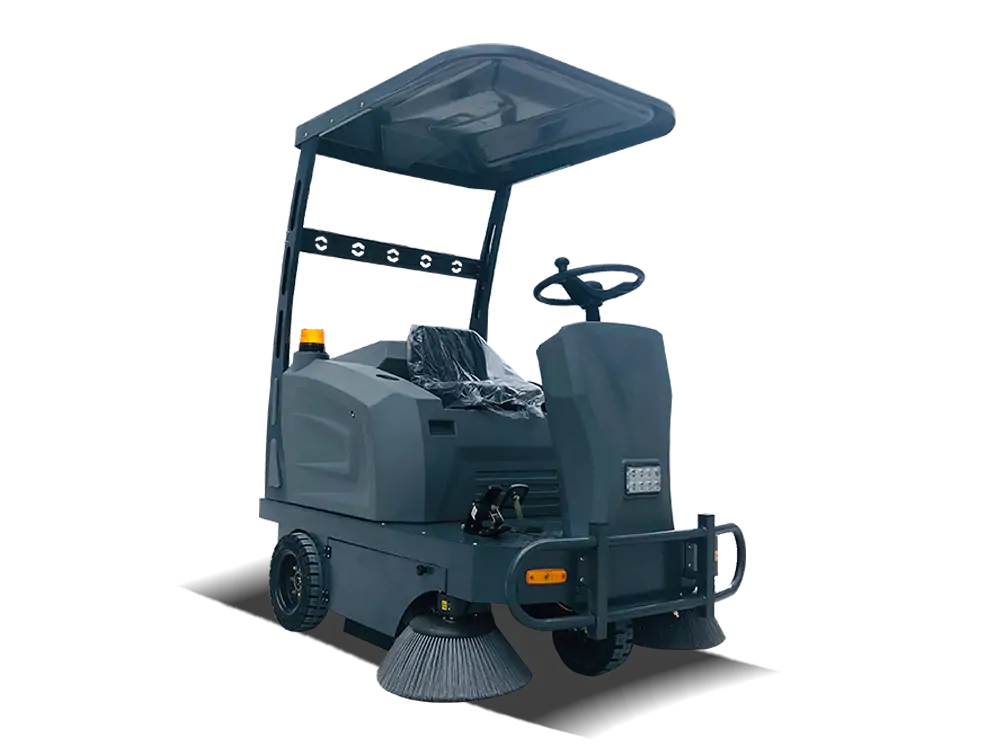
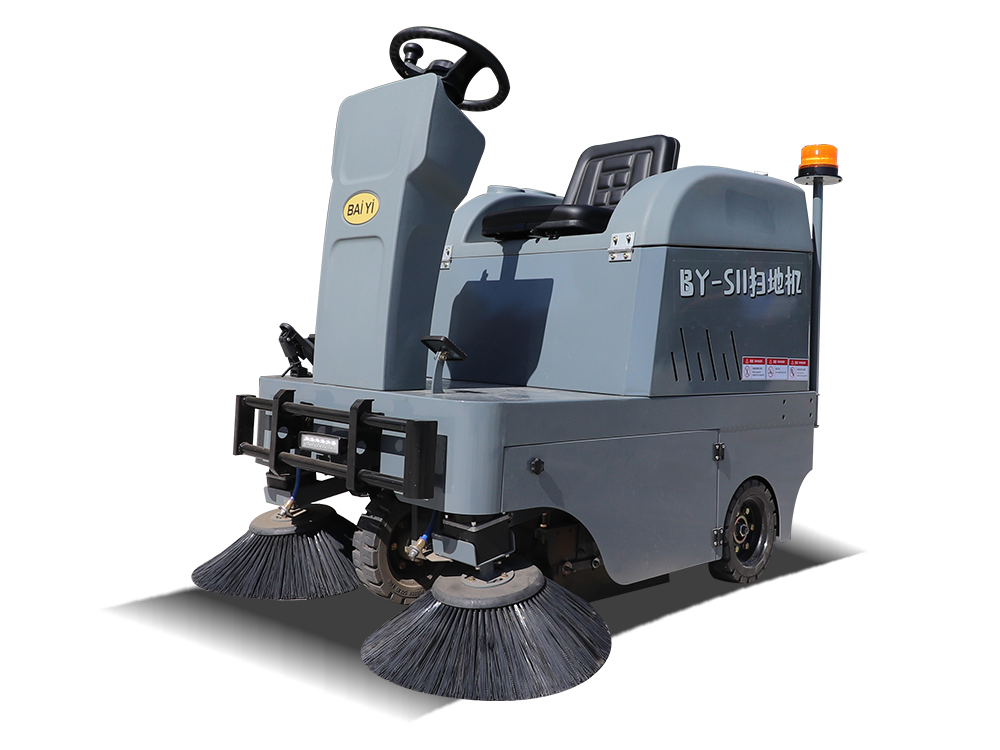
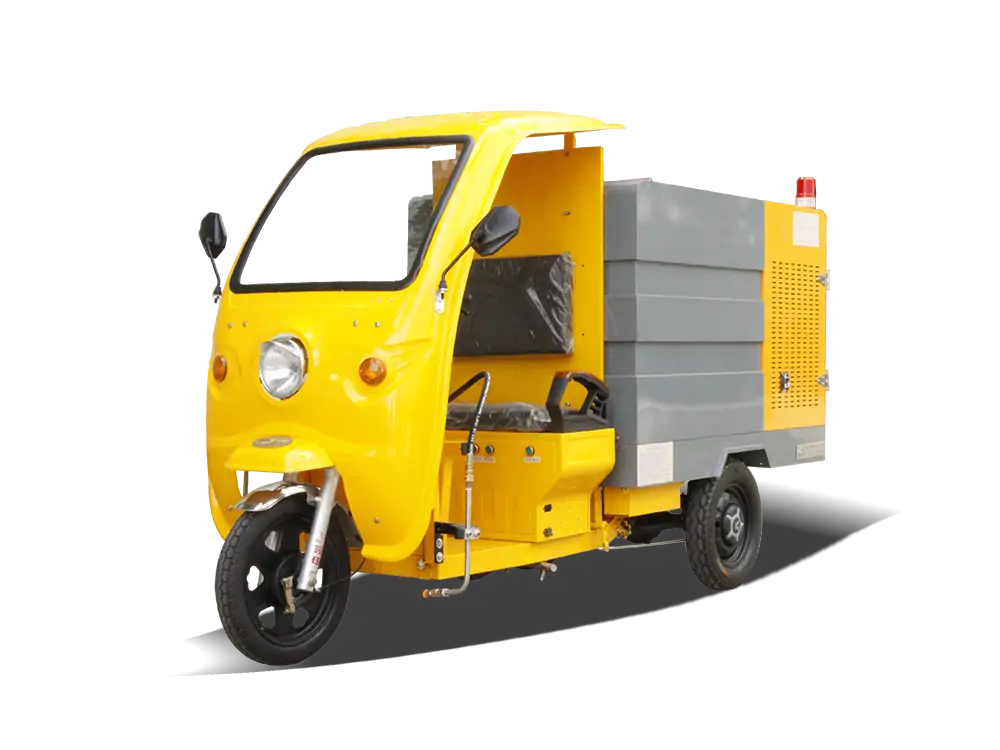
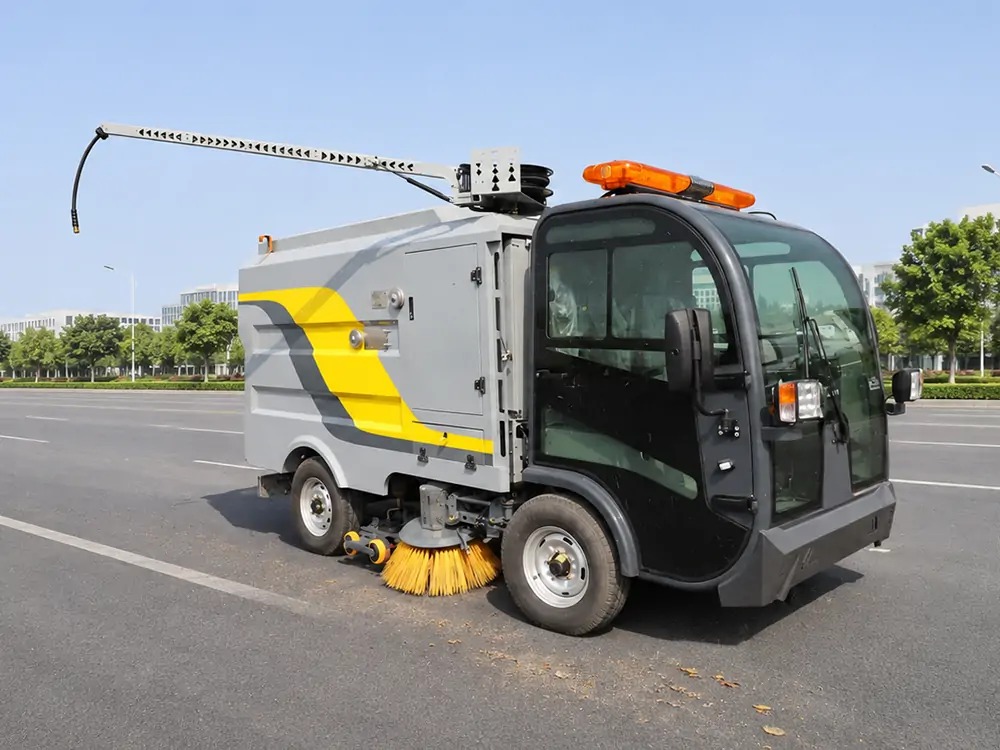
| BY-S25 | 2.1 m | 17,000 m²/h | 240 L waste bin | Residential streets and routes with frequent unloading access |
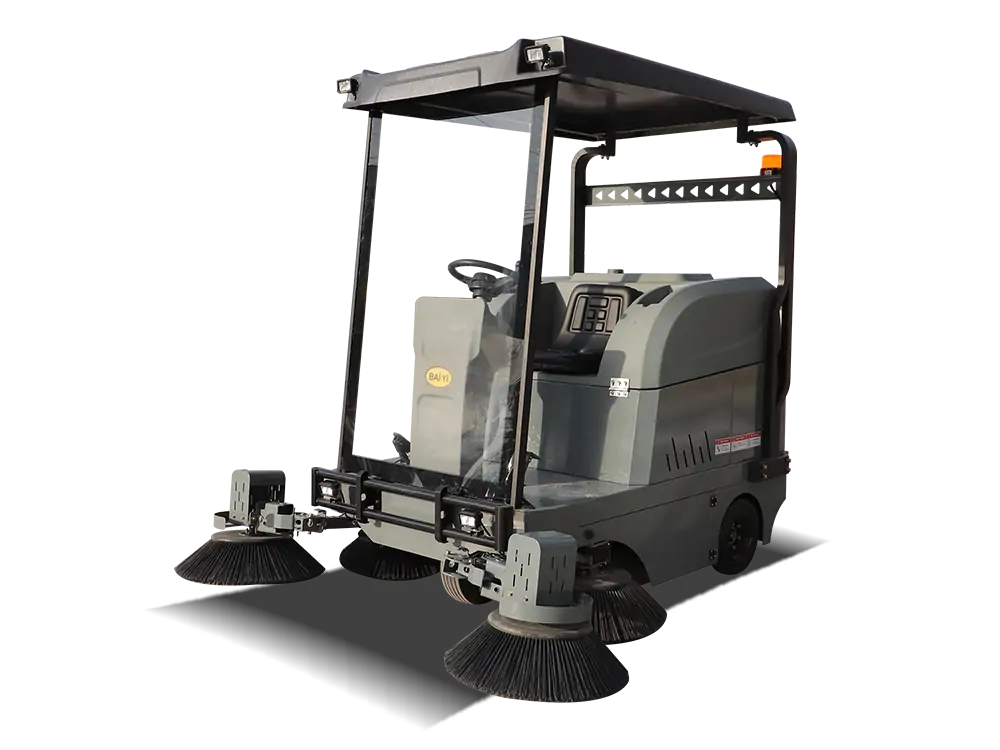
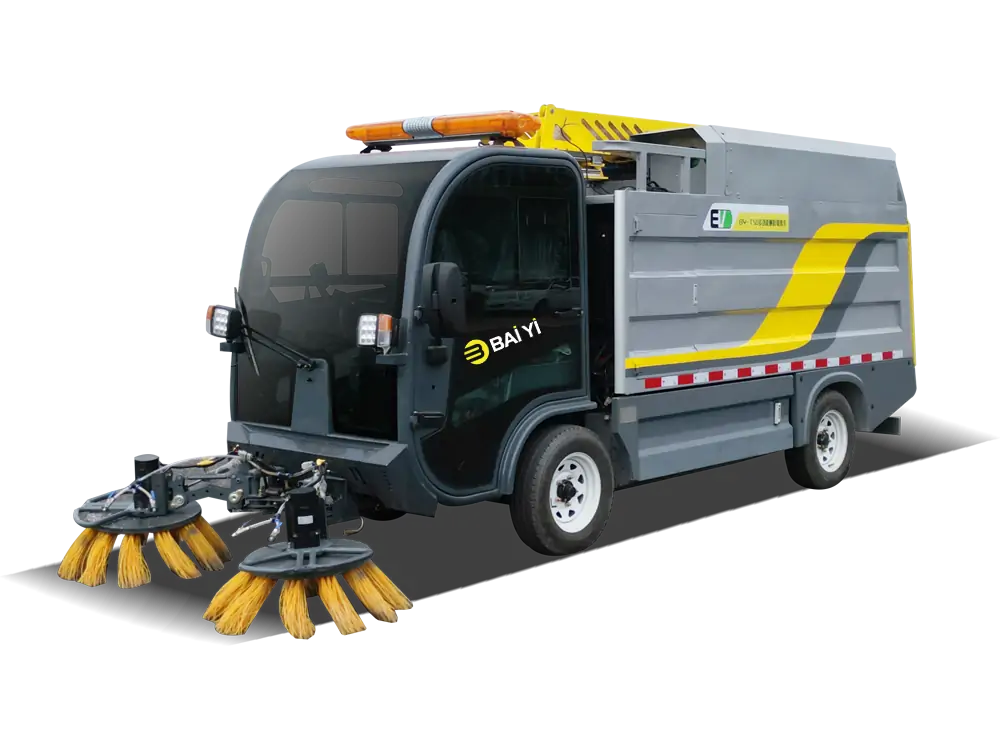
| BY-S50 | 2.2 m | 25,000 m²/h | 3,000 L hopper | Community roads and industrial parks |
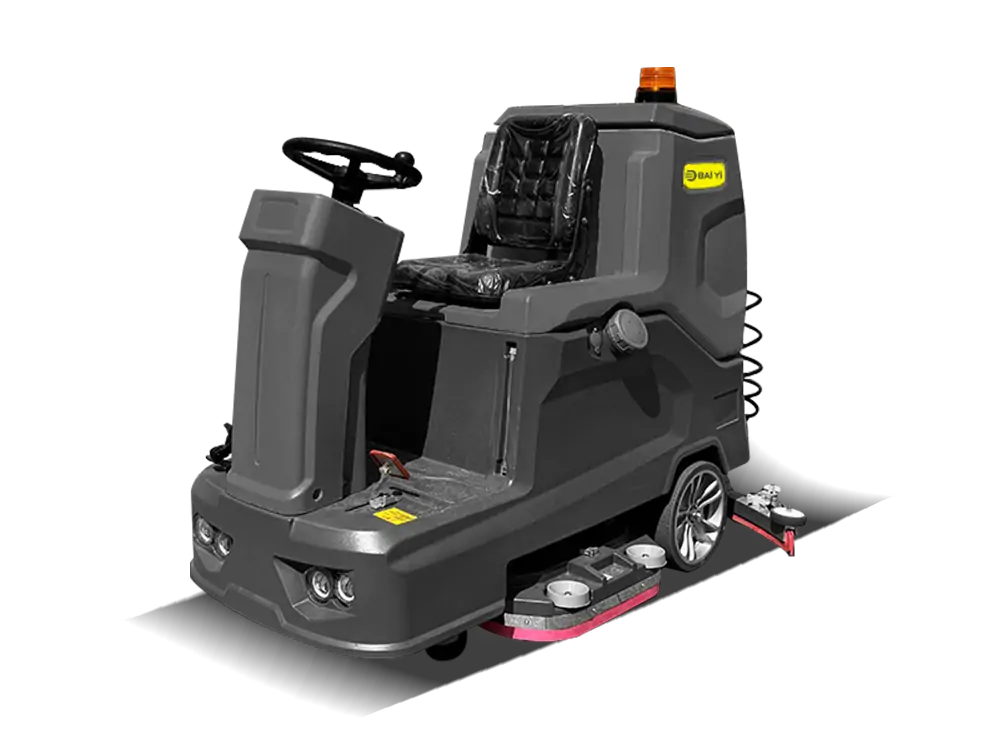
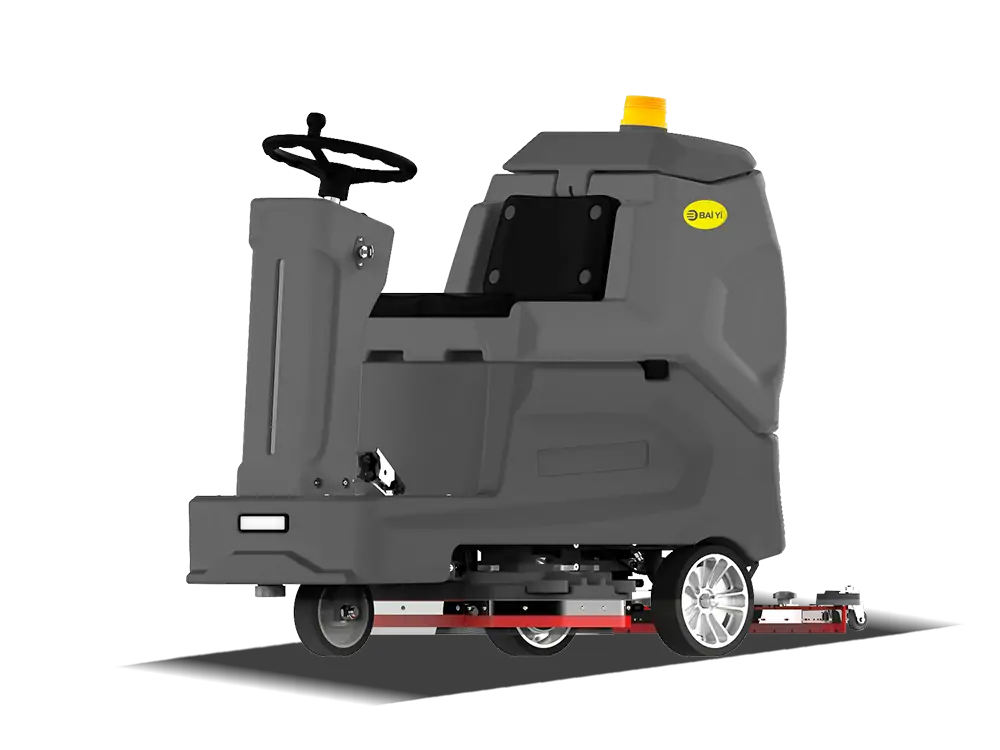
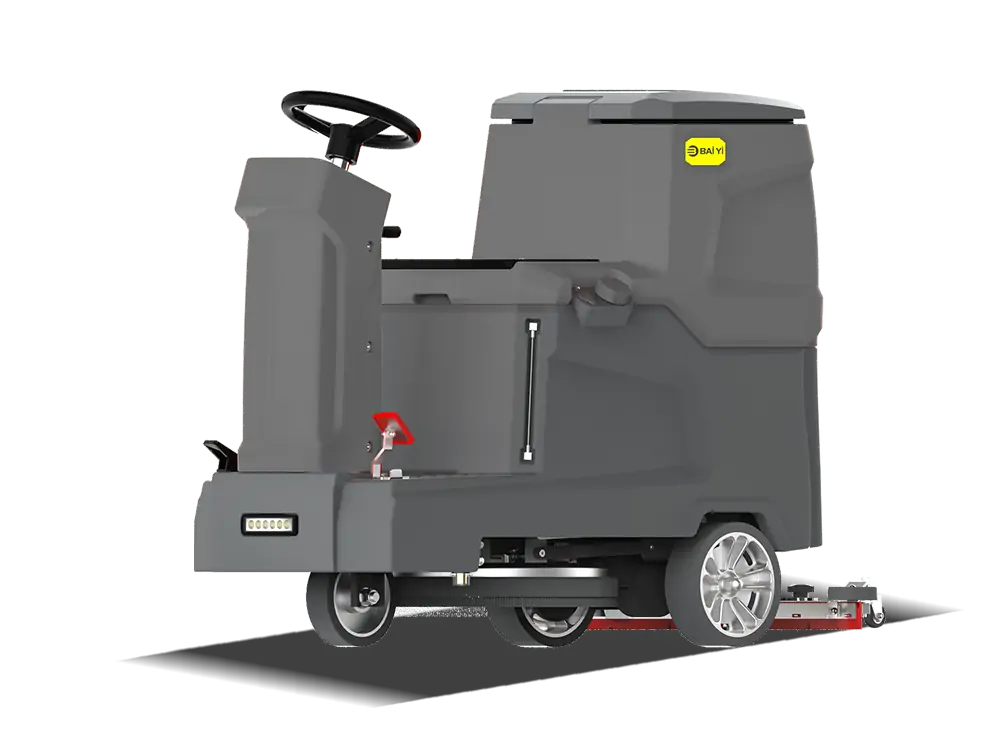
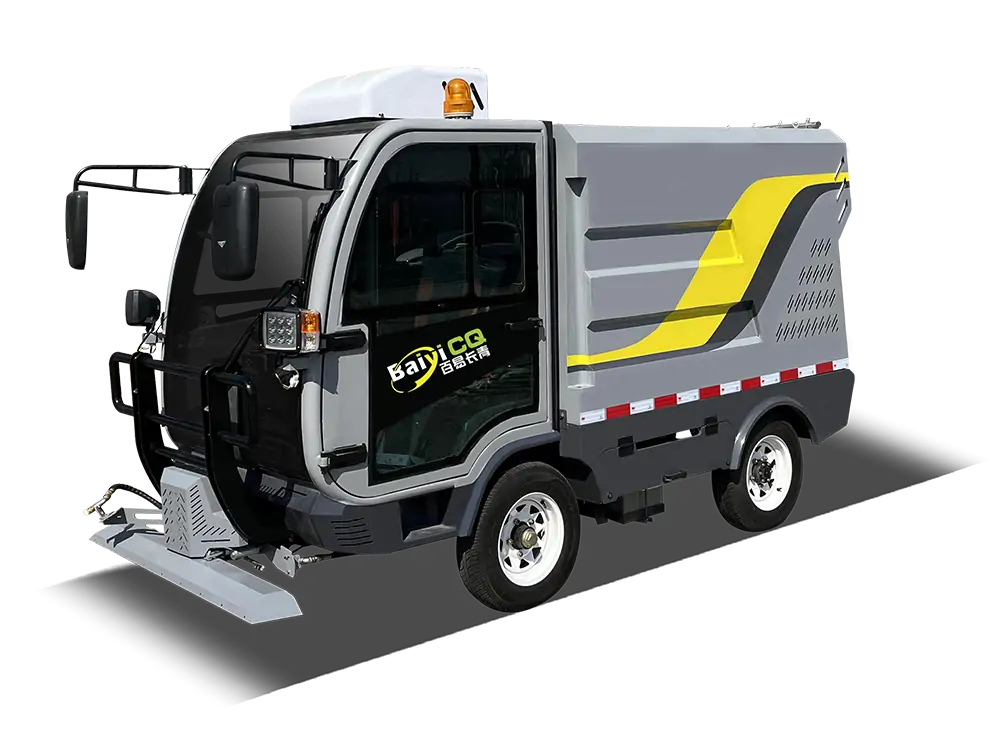
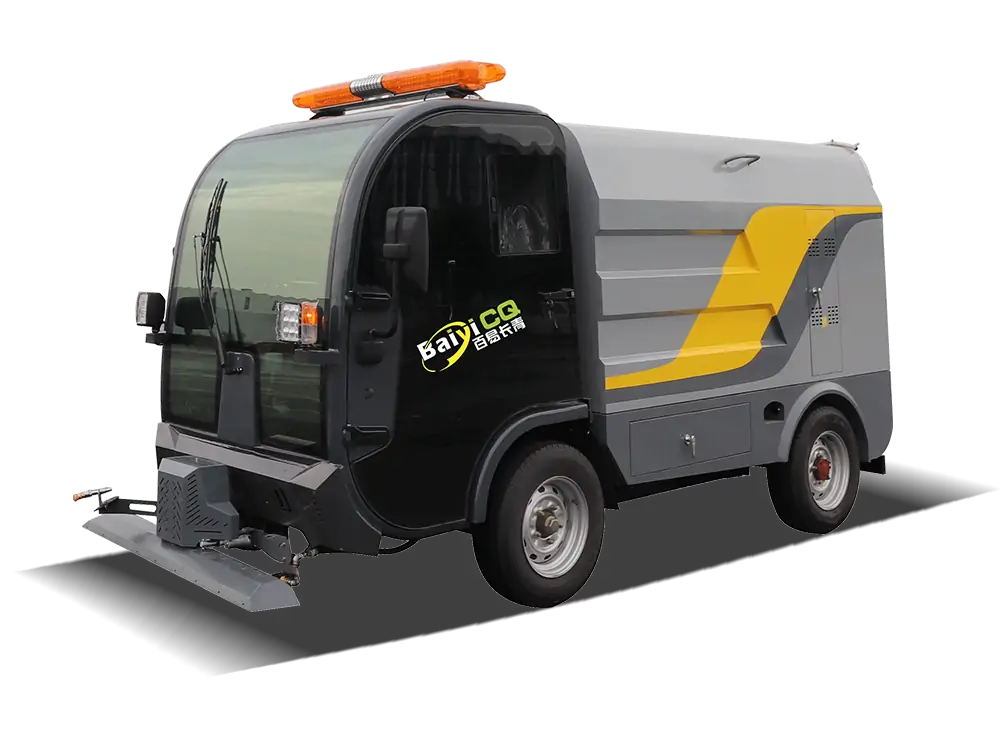
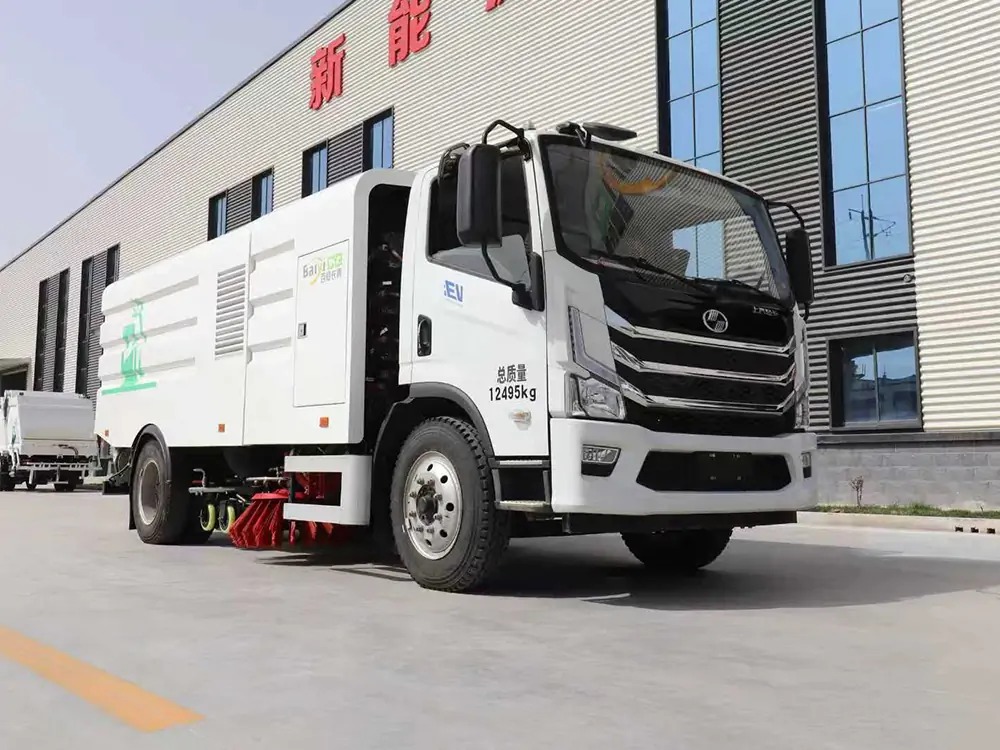
| BY-CS60 | 2.3 m | 20,000 m²/h | 1,100 L waste bin; 1,500 L clean-water tank | Routes requiring both sweeping and washing |
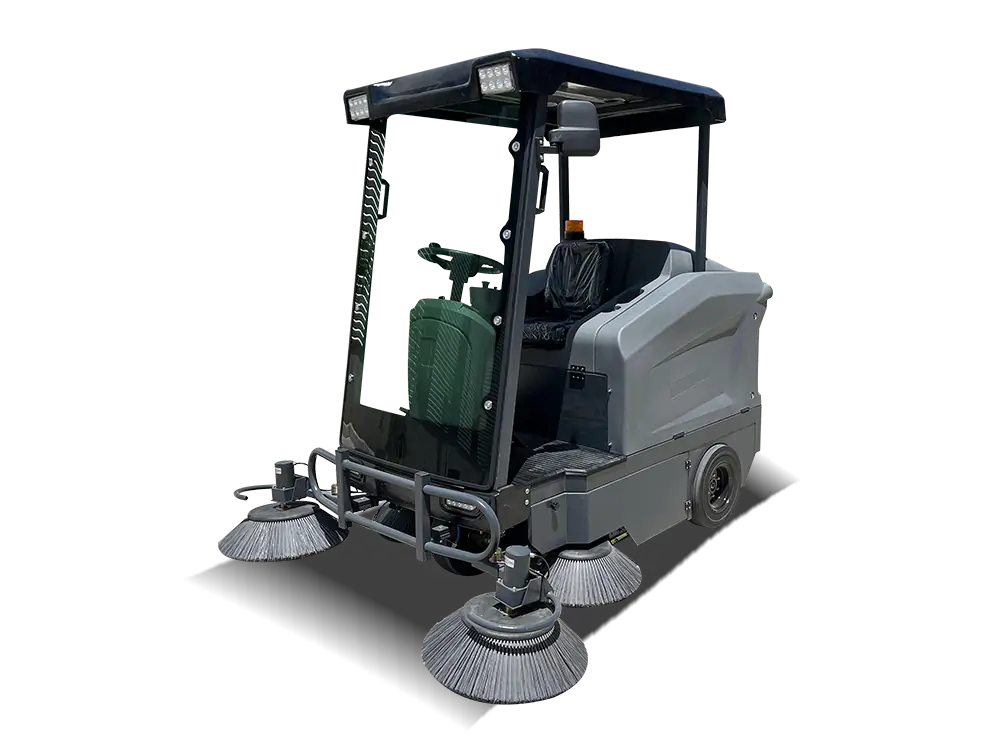
| BY-CS12000 | 3.5 m | 50,000 m²/h | Confirm the selected configuration | Wider municipal roads and larger cleaning areas |
Figures are from Baiyi’s street sweeper listing and its BY-S50 and BY-CS60 product pages. Published cleaning efficiency is a comparison figure; actual area covered depends on route conditions, debris, stops and operating speed.
For narrow or stop-heavy routes
Start with the BY-S25 if the route has frequent collection points and a nearby place to empty its 240 L bin. Check the vehicle’s overall dimensions and turning space against your narrowest passage; sweeping width alone does not tell you whether a vehicle will fit.
For longer routes with more collected debris
The BY-S50 pairs a 2.2 m published sweeping width with a 3,000 L hopper. That capacity may reduce unloading stops where waste volumes are high. Estimate the debris collected per shift to see whether a larger hopper will help your operation.
For sweeping and washing on one route
The BY-CS60 combines a published 1,100 L waste bin with a separate 1,500 L clean-water tank. Consider it when your cleaning plan includes washing as well as debris collection. Confirm water consumption, refill points and the required operating functions for your site.
Questions to Ask Before Purchasing
How long is the working shift?
A quoted driving range or cleaning efficiency does not describe every stop-and-start cleaning route. Share the distance between work areas, expected sweeping hours, travel to the unloading point and available charging window. Ask for working-time information for the proposed battery and equipment configuration.
Where will water and waste go?
For a sweeper-washer, identify where the crew will refill clean water and dispose of collected waste or wastewater. Tank size is useful only when these stops fit the daily route.
What maintenance will the team perform?
Ask about brush replacement, suction-path cleaning, tank care, daily inspections and locally available wear parts. Include these tasks, charging and operator training when comparing the total cost of ownership.
Request a Recommendation for Your Route
Send Baiyi your route dimensions, surface type, expected debris, shift length and charging arrangements. The team can then recommend an electric municipal sweeper or sweeper-washer, confirm the applicable specifications and prepare a quotation. Contact Baiyi with your route details.