















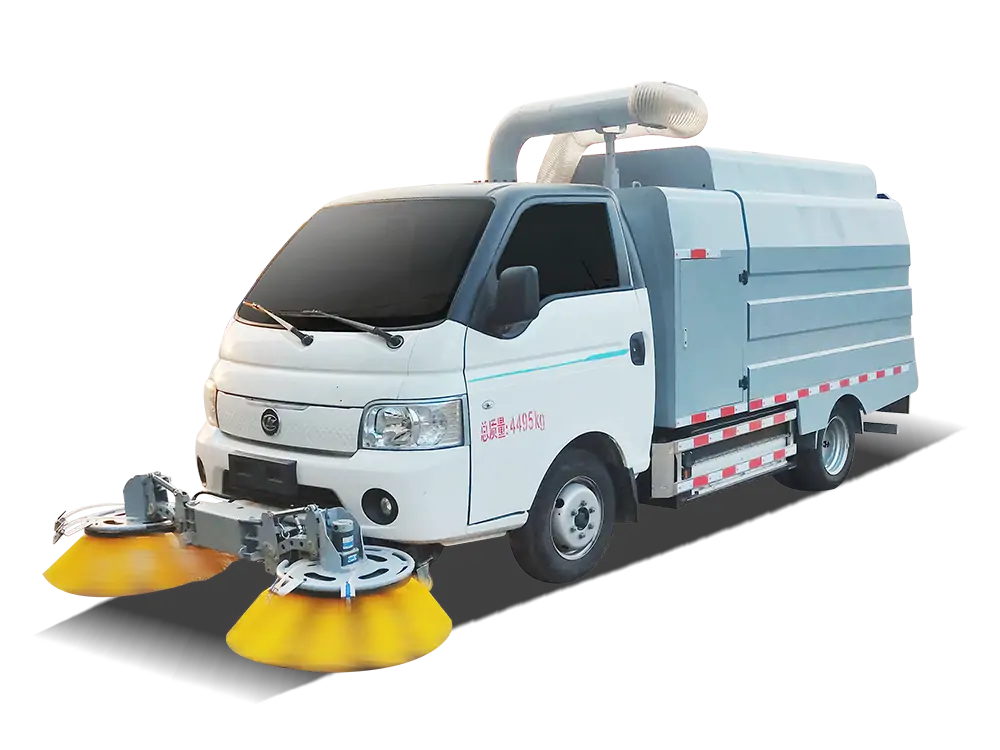

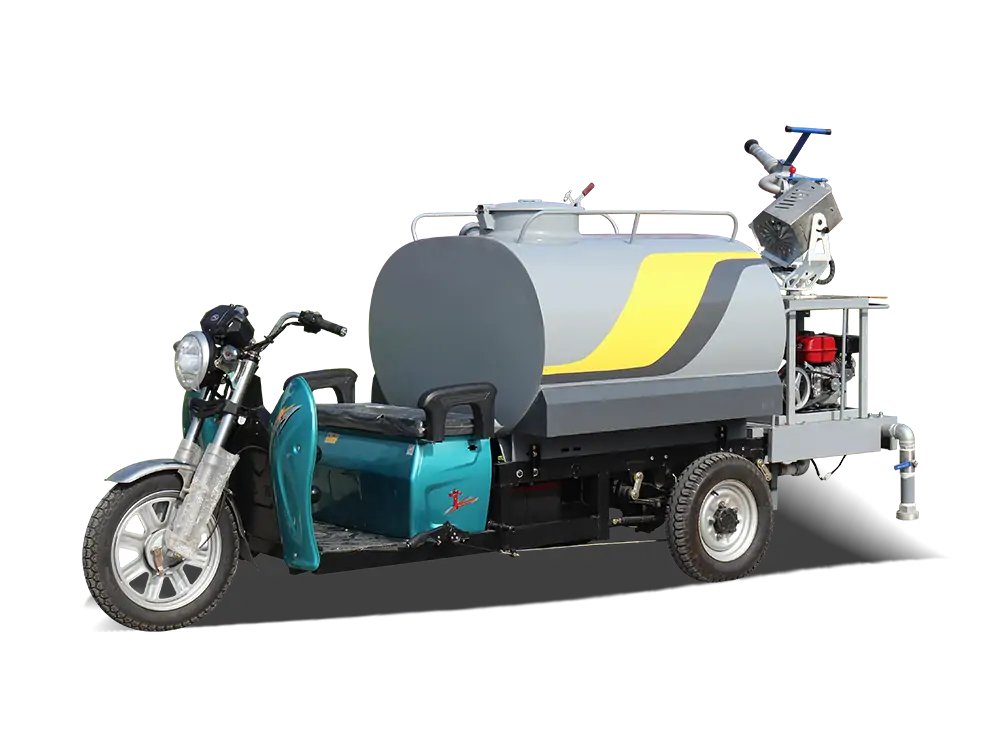

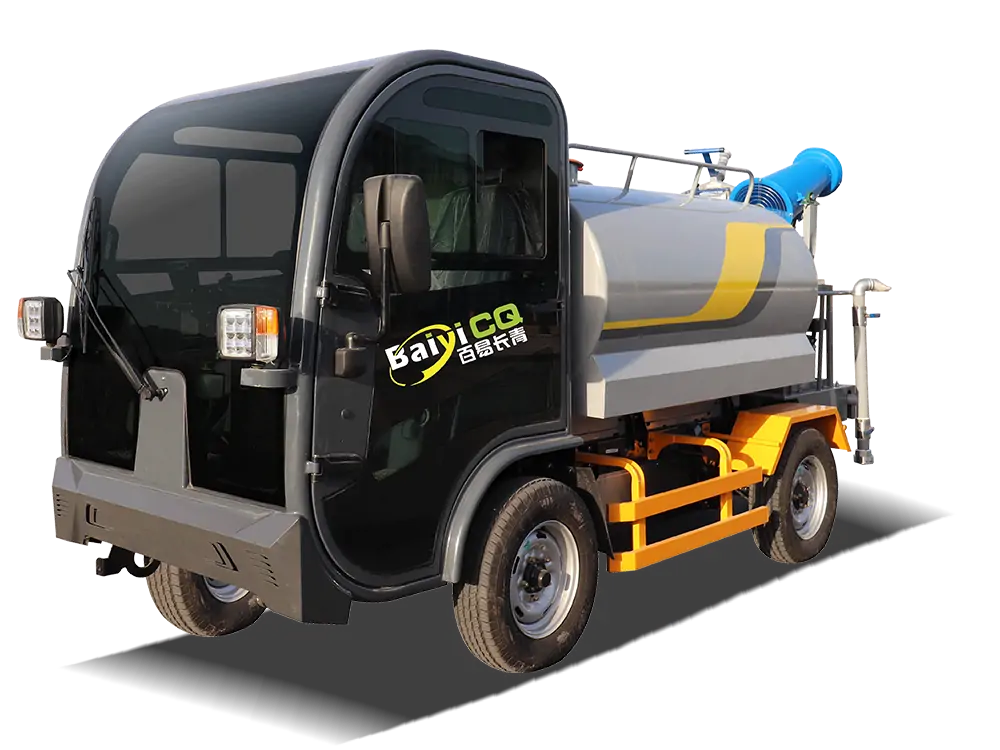

News, Product News
How to Choose the Right Street Sweeper Machine for Municipal and Road Cleaning
What Is a Street Sweeper Machine?
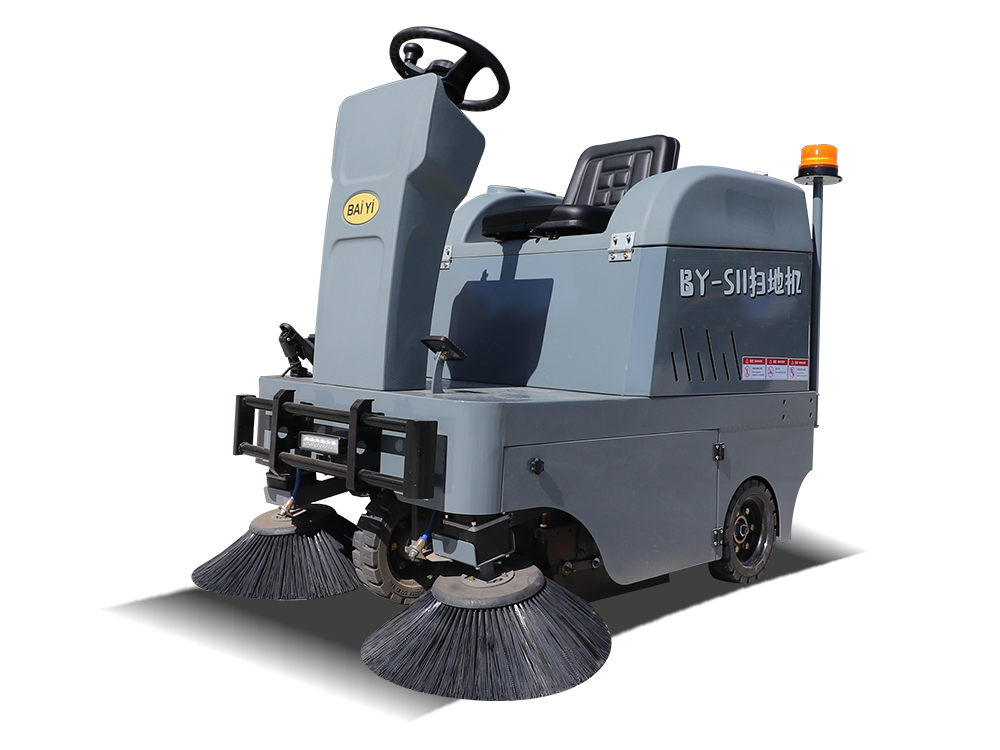
A street sweeper machine is a purpose-built cleaning vehicle that collects dust, leaves, sand, litter, and other debris from paved surfaces. Depending on the design and application, it may also be called a road sweeper, city street sweeper, municipal sweeper, public works sweeper, or sweeper truck.
Modern street sweeping equipment is widely used in:
- Municipal streets and residential roads
- Sidewalks, narrow lanes, and back streets
- Parks, campuses, and scenic areas
- Industrial parks and logistics facilities
- Airports and transportation hubs
- Commercial properties and large retail sites
- Public squares and urban main roads
The right machine should complete the required route efficiently while remaining maneuverable, easy to operate, and practical to maintain.
Start with the Cleaning Environment
Before comparing models, define the actual working environment. This is one of the most important steps in selecting a road sweeper.
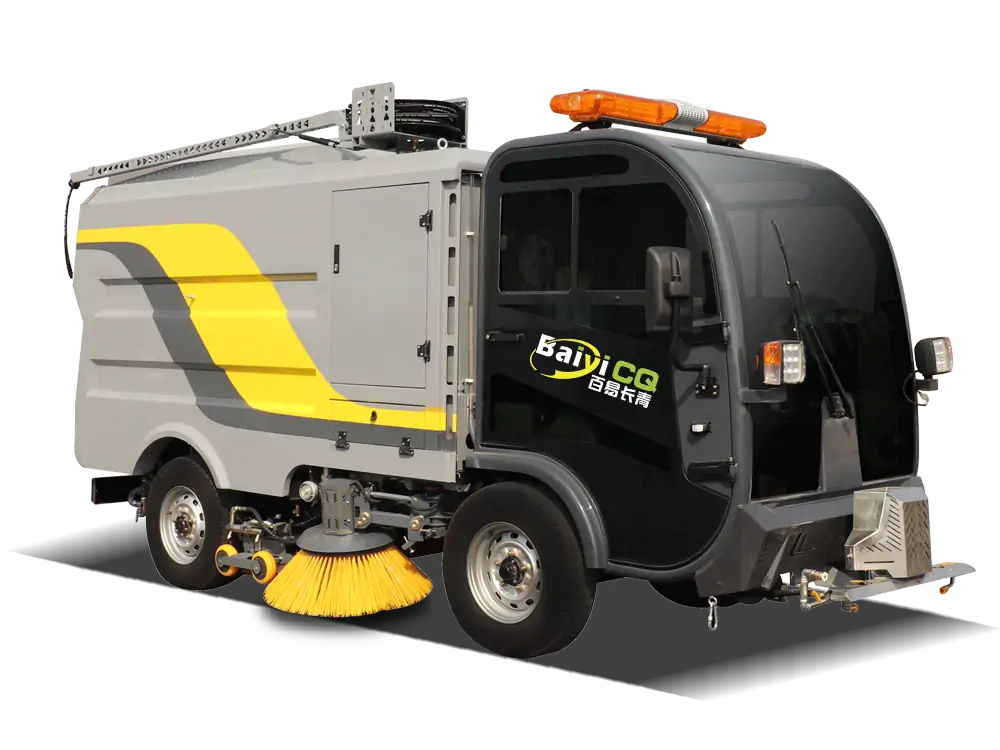
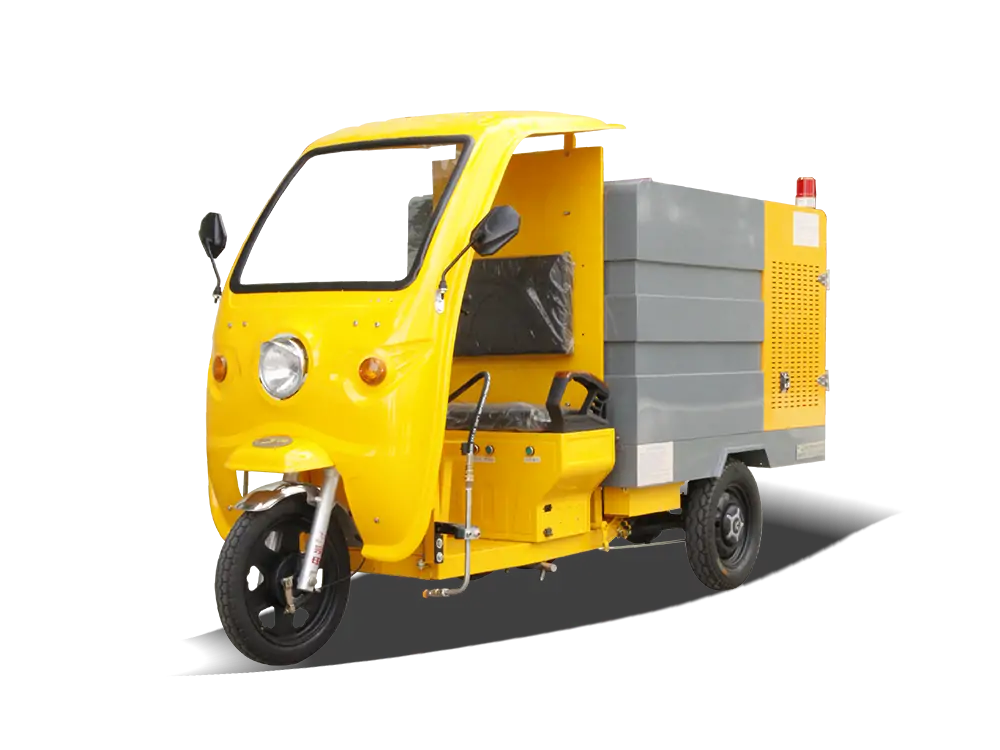
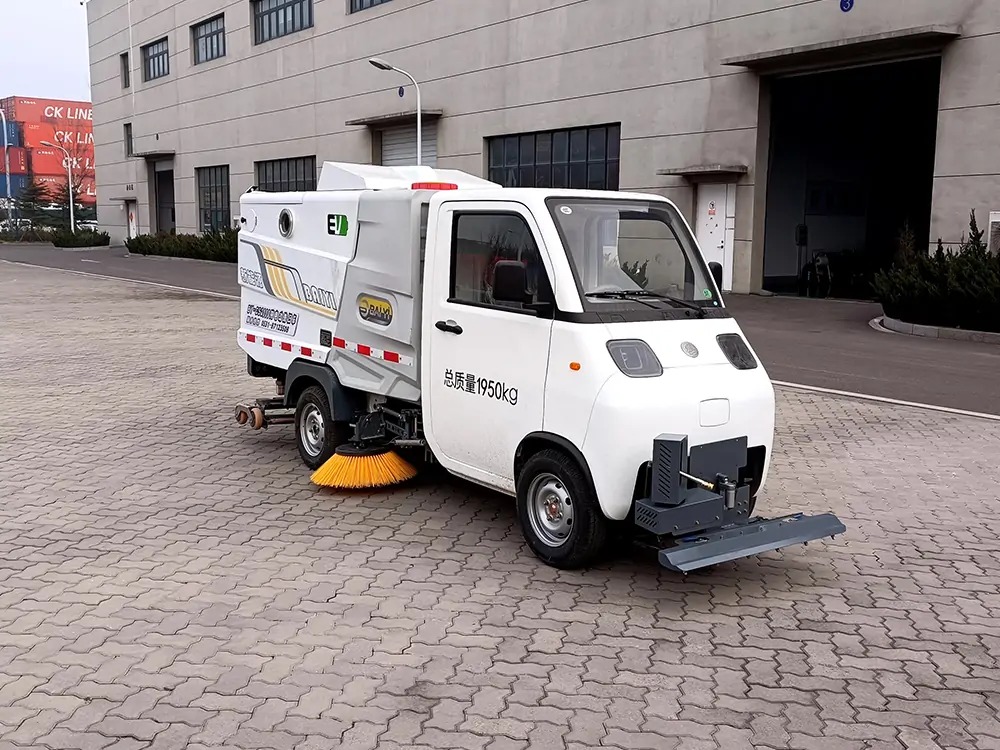
Narrow streets, alleys, sidewalks, and pedestrian areas require compact dimensions, a small turning radius, and precise sweeping control. In these locations, a compact electric street sweeper can move safely around parked vehicles, curbs, and corners while helping reduce noise and on-site emissions.
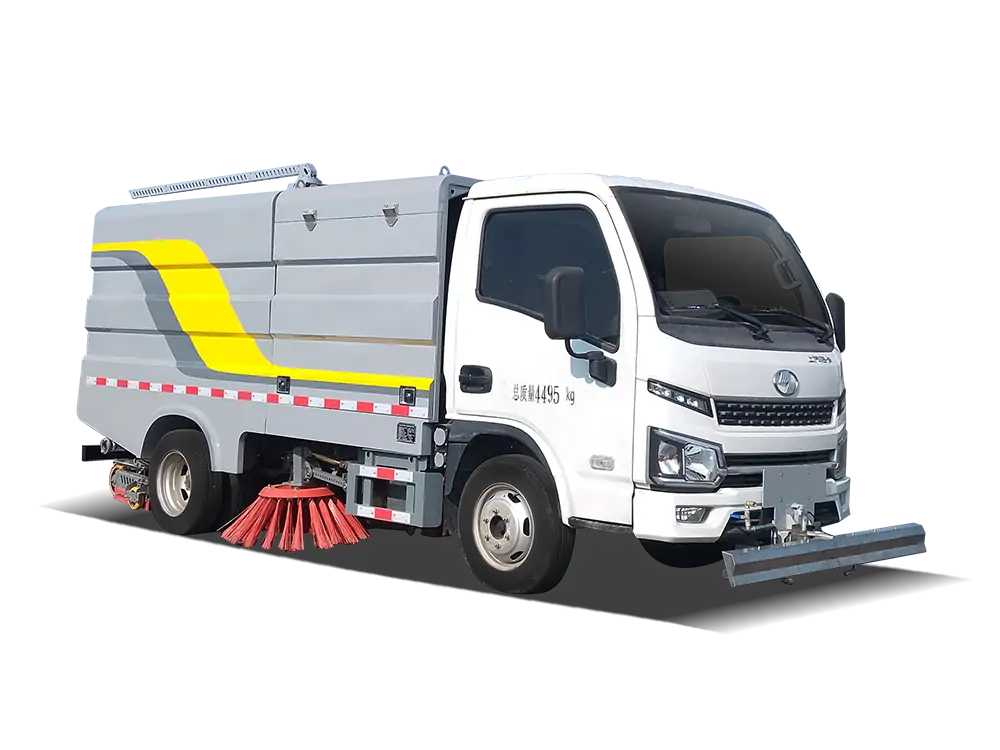
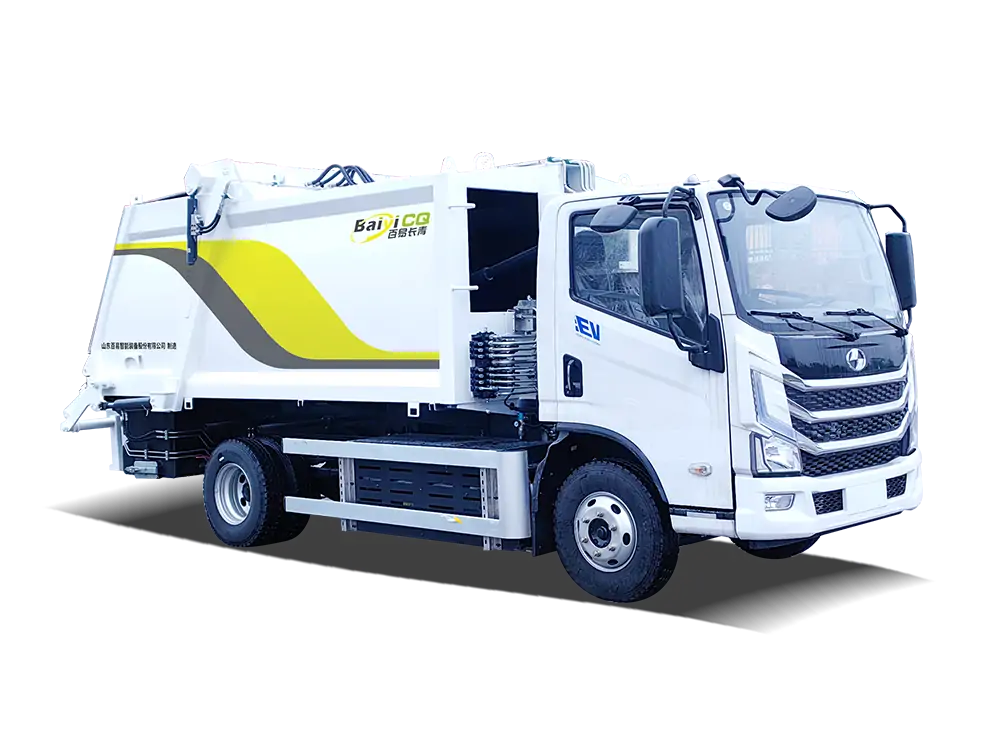
Larger municipal roads, public squares, and urban main streets require a wider sweeping width, higher cleaning capacity, and a larger waste compartment. A full-size municipal sweeper or sweeper truck is often a better choice when routes are long and debris volumes are higher.
For mixed routes, fleet managers may benefit from operating more than one machine size. A compact city street sweeper can handle narrow-access areas, while a larger municipal road sweeper can cover main roads and open public spaces.
Match the Sweeper to the Type of Debris
Road conditions vary from one project to another. Fine dust, leaves, sand, plastic waste, and heavier roadside debris place different demands on the cleaning system.
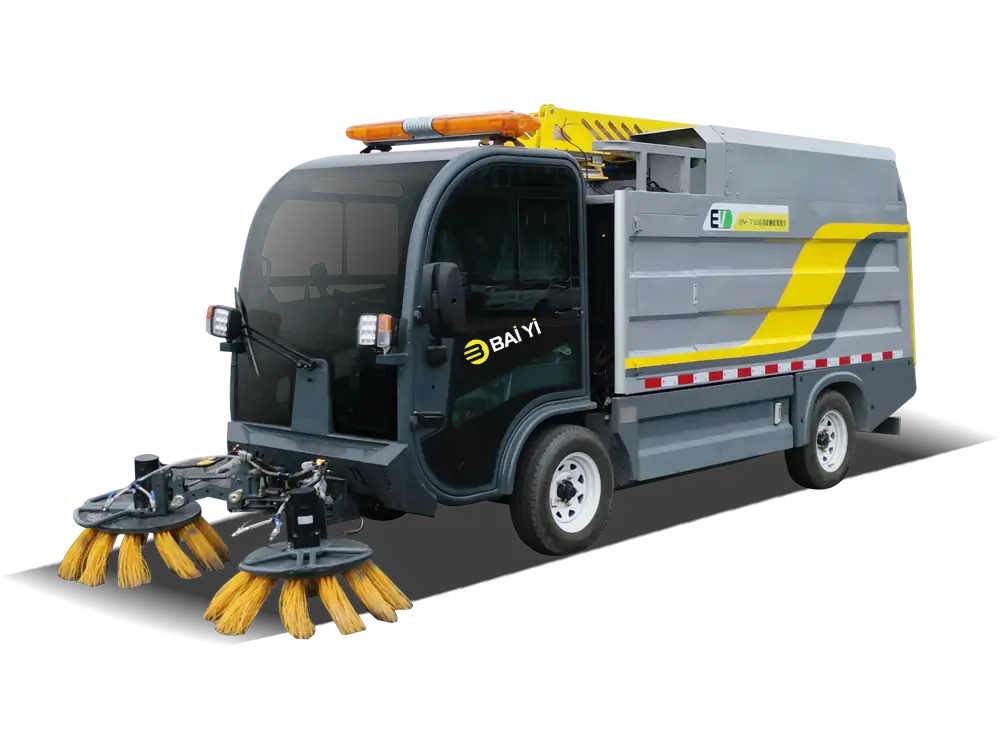
For regular urban maintenance, a street sweeper should provide stable brush performance, effective dust suppression, and reliable waste collection. For parks, campuses, and residential communities, low noise and easy operation are especially valuable because cleaning is often performed near pedestrians and buildings.
For roads with more leaves or mixed debris, buyers should consider the collection capacity and unloading frequency. A larger waste compartment can reduce interruptions during long shifts, but the machine must still be suitable for the access conditions of the route.
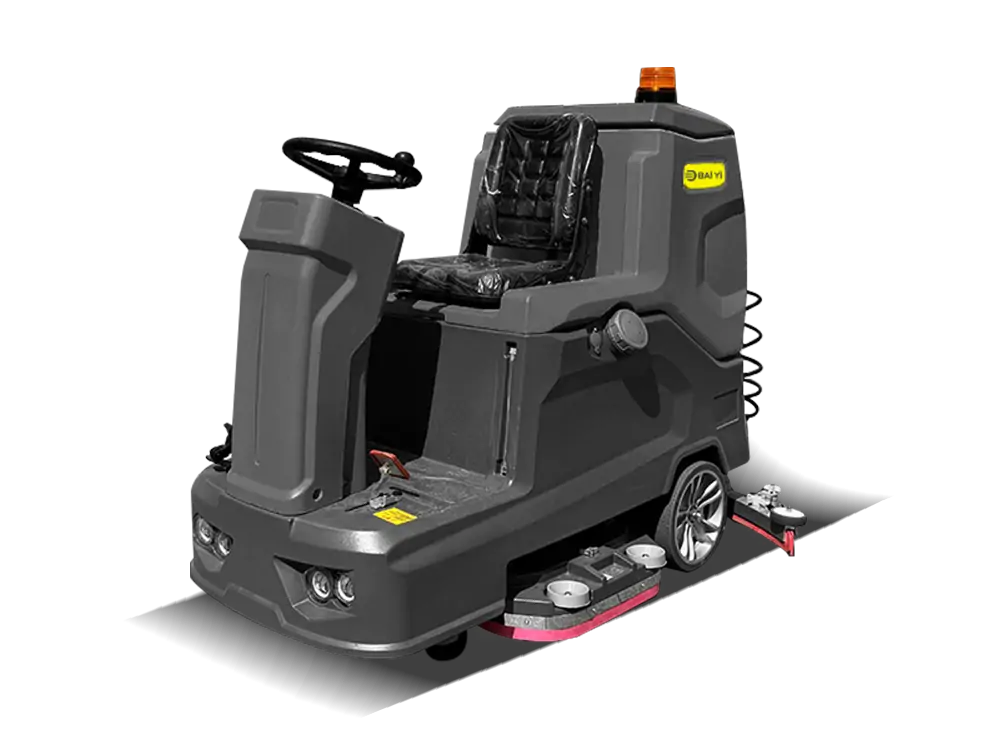
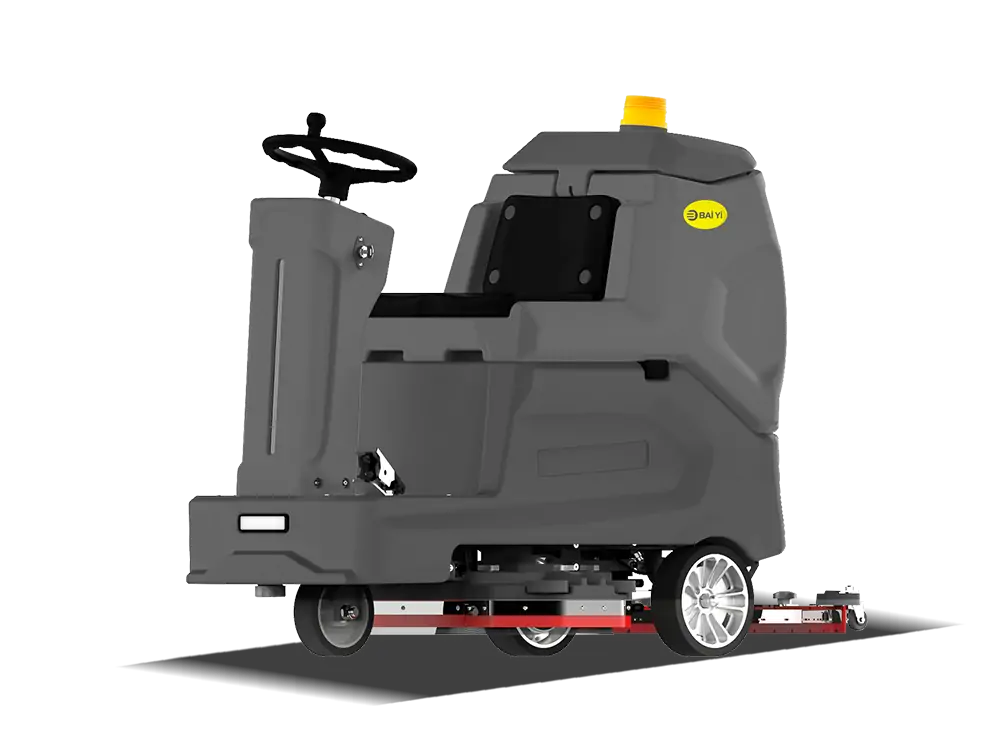
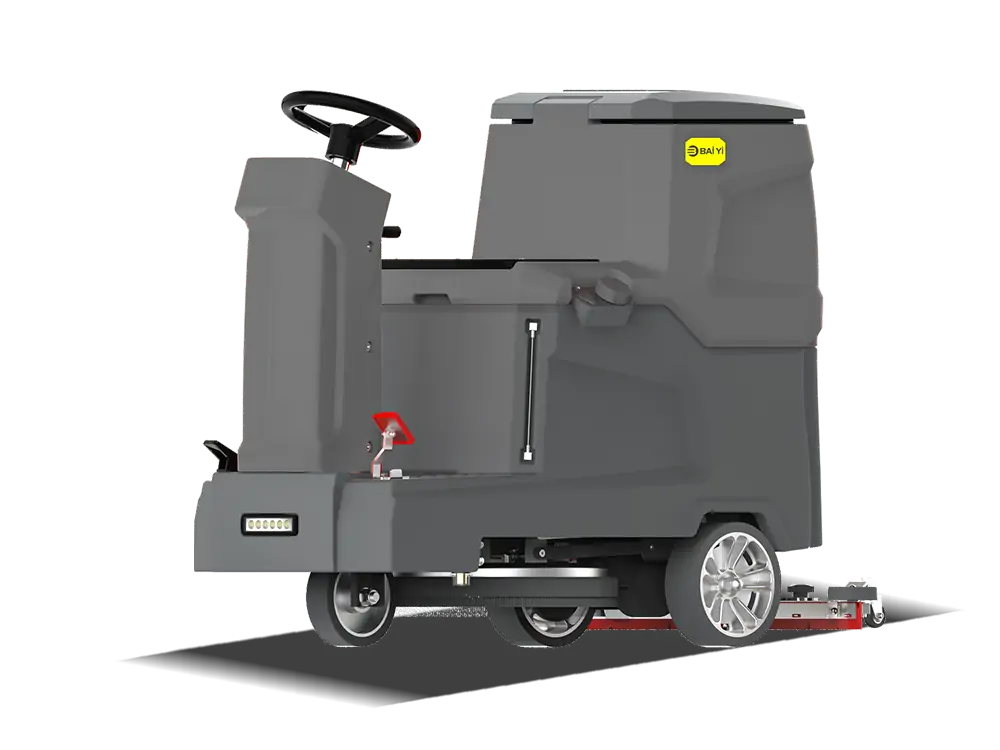
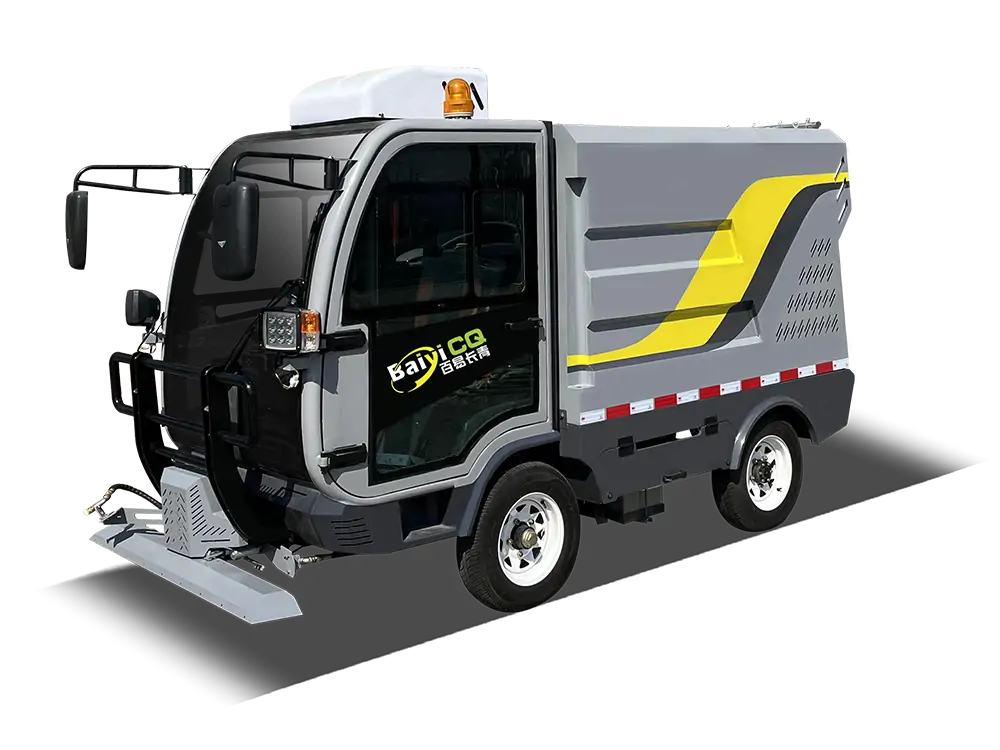
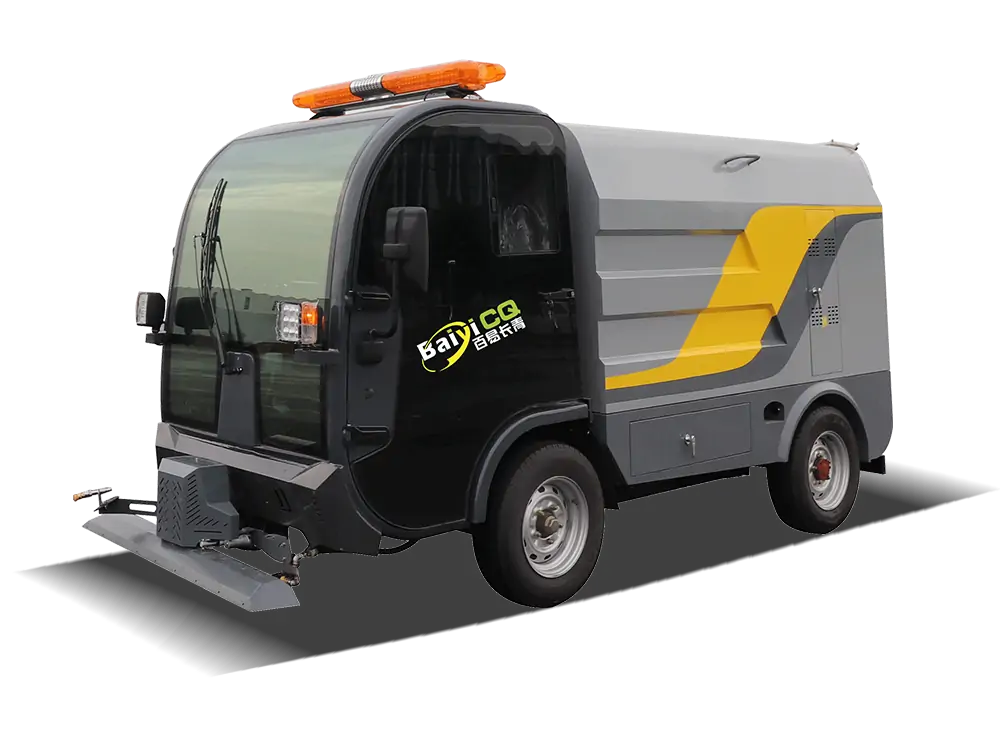
Baiyi offers electric road sweeper configurations for different urban sanitation environments, from narrow lanes and residential areas to municipal roads, airports, parks, and public squares. Buyers can review the recommended application of each model before requesting a quotation.
Key Specifications to Compare Before Buying
A street sweeper machine should be assessed as a complete operating system rather than by one specification alone. The following factors are useful when comparing options.
Sweeping Width
Affects route coverage and productivity.
Typical question: Can the machine clean the required road width efficiently?
Cleaning Capacity
Indicates expected output in suitable conditions.
Typical question: How much area can the sweeper cover during a normal shift?
Waste Compartment Capacity
Influences how often the operator must unload.
Typical question: Will the hopper size suit the debris volume and route length?
Battery Range
Determines working time for electric sweepers.
Typical question: Can the vehicle complete the planned route between charges?
Machine Width and Maneuverability
Critical for restricted-access areas.
Typical question: Can it safely operate in narrow lanes, communities, and campuses?
Water and Dust-Control System
Helps manage fine dust during sweeping.
Typical question: Is the system appropriate for dry and dusty conditions?
Service Accessibility
Supports long-term uptime.
Typical question: Are spare parts, technical support, and maintenance guidance available?
Specifications should always be evaluated in relation to the actual job site. For example, a model with a wide sweeping path may be efficient on a broad municipal road but unsuitable for a narrow city street.
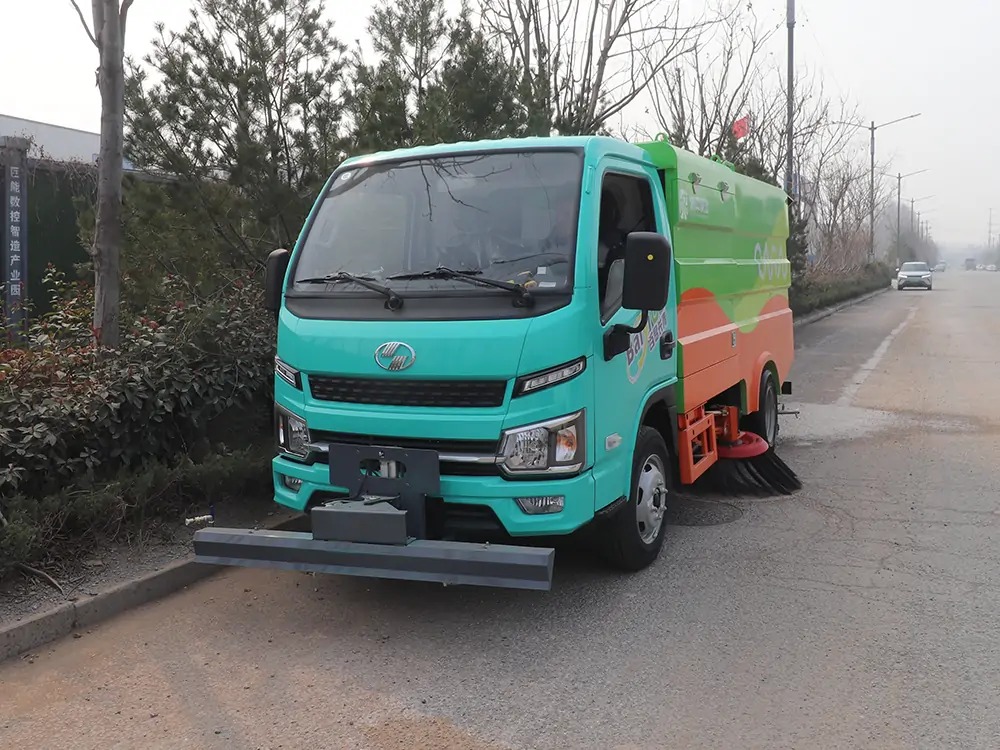
Mechanical Street Sweeper or Electric Road Sweeper?
The term mechanical street sweeper is often used for equipment that uses brushes and a collection system to move debris into a hopper. Mechanical sweeping remains a practical option where operators need reliable debris handling and straightforward daily maintenance.
Electric road sweepers are increasingly considered for urban sanitation projects because they can provide low-noise operation and no tailpipe emissions during use. They are especially well suited to communities, parks, campuses, pedestrian zones, and other locations where noise control and environmental performance matter.
The right choice depends on the operating environment rather than a single trend. Consider the following questions before selecting a model:
- Is the route located in a dense urban area or residential community?
- How many hours must the sweeper operate each day?
- Is charging available at the depot or work site?
- Does the route include narrow roads, curbside areas, or open arterial roads?
- What type of debris must be collected most often?
- Does the buyer need a compact machine, a large sweeper truck, or both?
A qualified manufacturer should be able to recommend a suitable configuration according to this information, rather than only provide a standard model list.
Choosing a Municipal Sweeper for Different Applications
Narrow Streets, Sidewalks, and Residential Areas
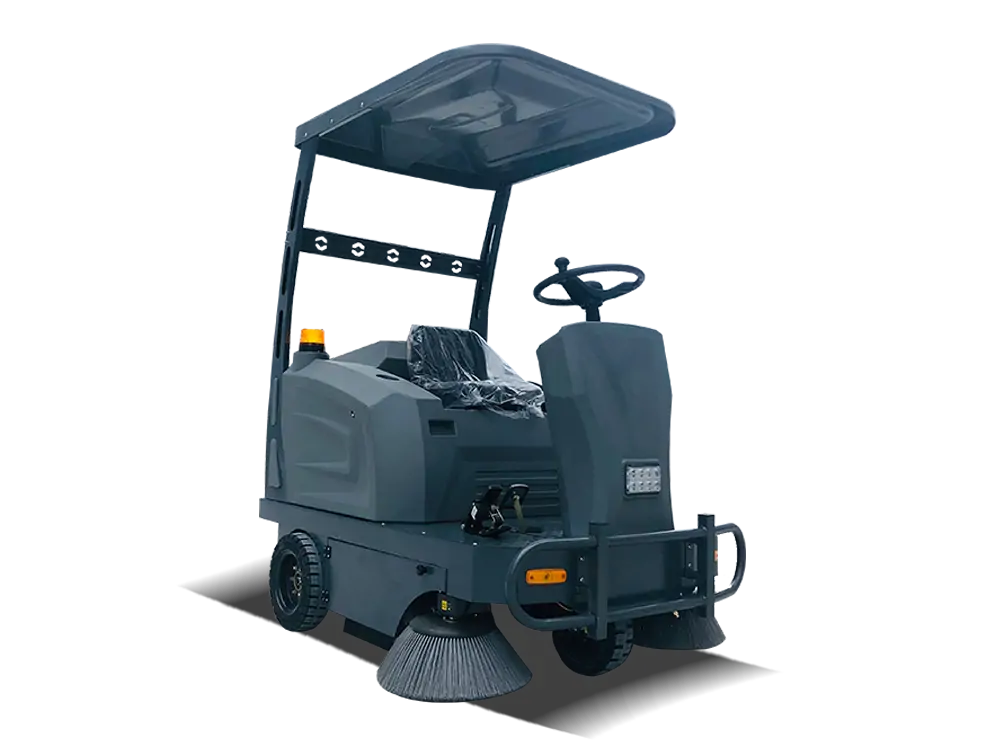
Compact electric street sweepers are designed for spaces that cannot be accessed efficiently by large sanitation vehicles. These environments require flexibility, controlled operating speed, and a machine footprint that works around curbs, parked vehicles, and pedestrian traffic.
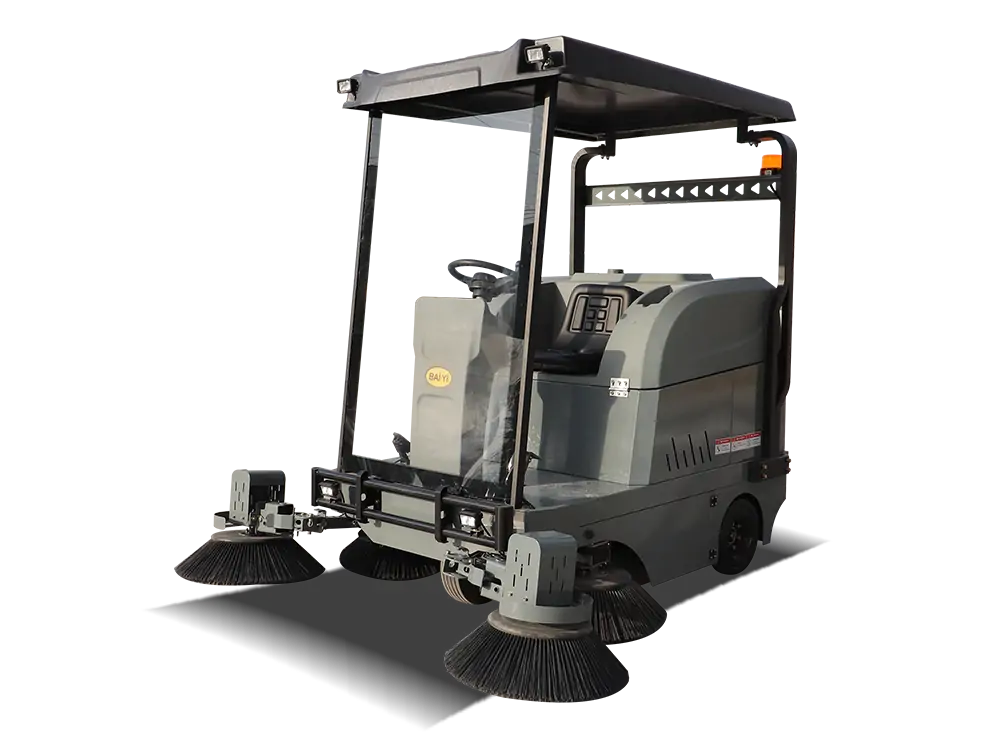
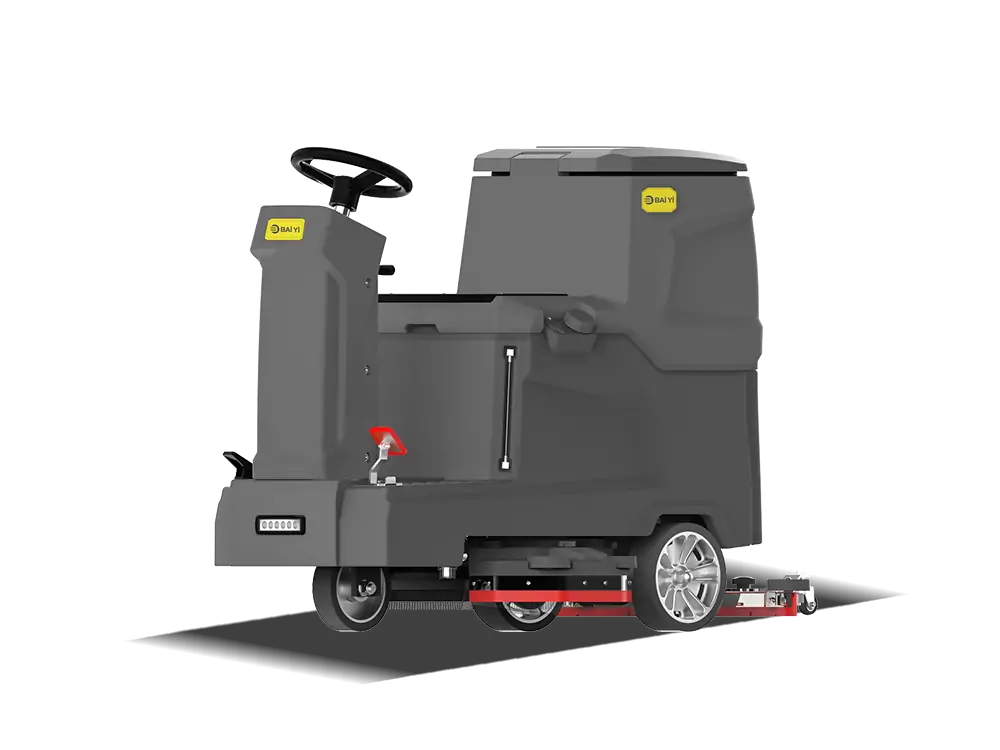
Baiyi’s compact road sweeper range includes models positioned for narrow streets, residential areas, sidewalks, and back lanes. The BY-CS60 is suitable for sidewalks, narrow lanes, back streets, and campuses. The BY-S25 and BY-CS2000 are designed for narrow streets and residential areas.
Parks, Campuses, and Industrial Parks
These sites often combine broad walkways, internal roads, landscaping debris, and variable pedestrian activity. Buyers should balance cleaning productivity with low noise, ease of operation, and reliable daily service.
For parks, campuses, and industrial areas, the right public works sweeper should provide sufficient range for planned routes and a cleaning width appropriate to the site layout. Operators also benefit from clear controls and convenient routine inspection points.
Municipal Roads, Squares, and Main Streets
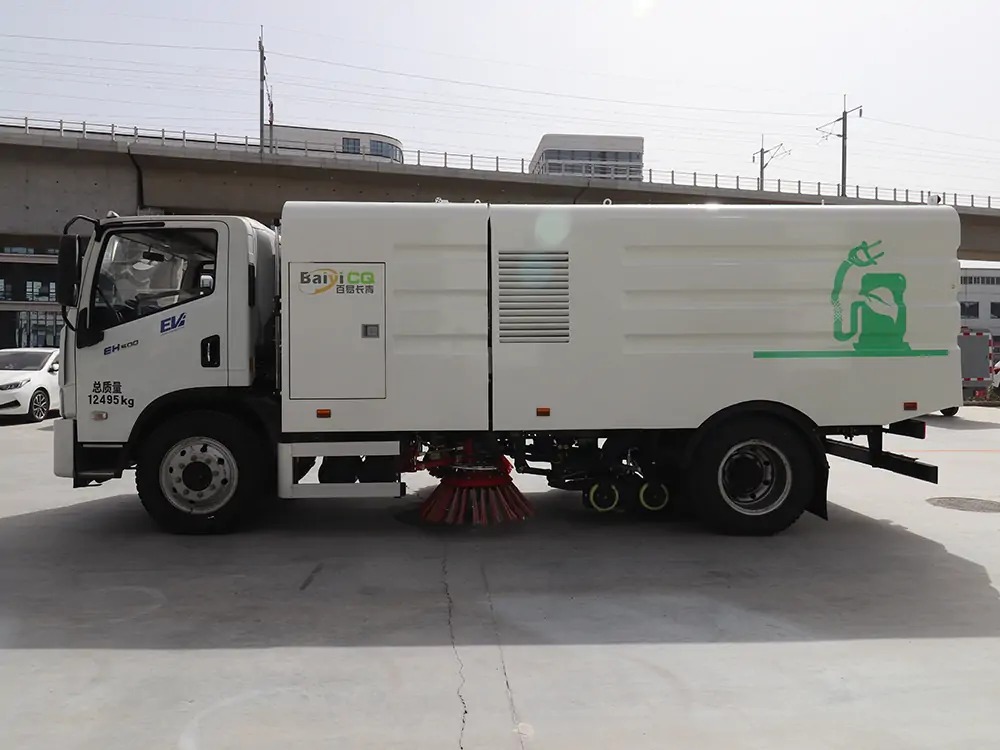
Larger urban roads and public squares need greater coverage per pass. A full-size municipal sweeper or sweeper truck can help sanitation teams manage higher cleaning volumes and longer daily routes.
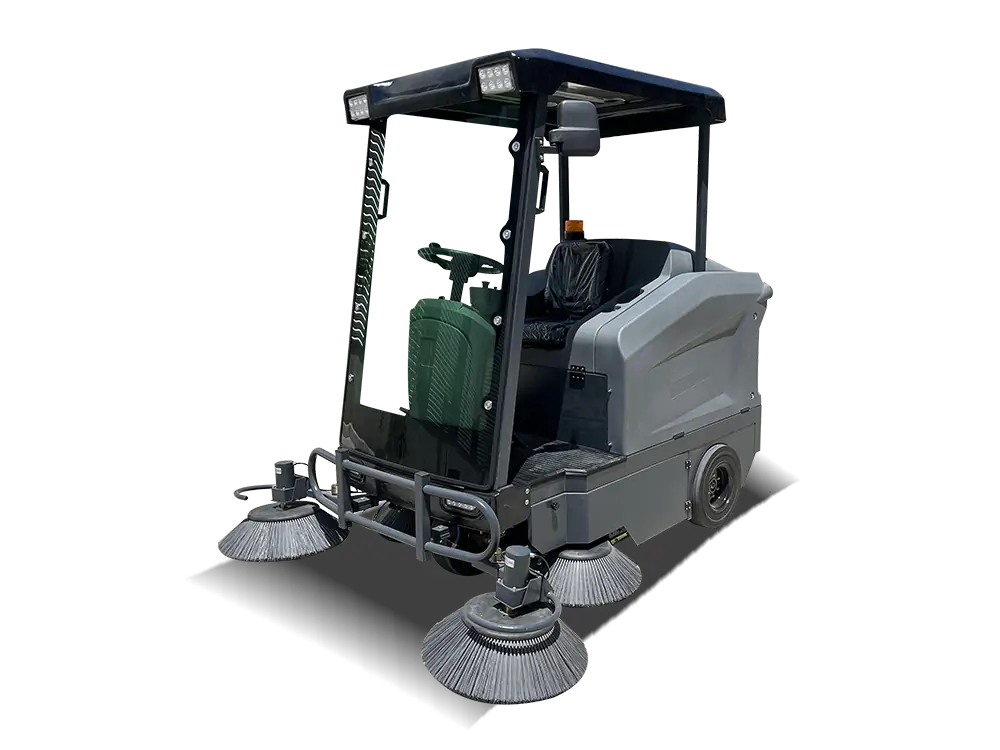
Baiyi’s BY-CS12000 and BY-CS18000 electric road sweeper models are intended for urban roads, squares, and main streets. These models feature a 3.5-meter sweeping width and a rated cleaning capacity of up to 50,000 m²/h, making them suitable for municipal cleaning tasks that require wider coverage.
Why Manufacturer Capability Matters
A road sweeper is a long-term operating asset. Procurement teams should evaluate not only the product itself, but also the manufacturer’s engineering capability, production controls, service process, and ability to support the machine after delivery.
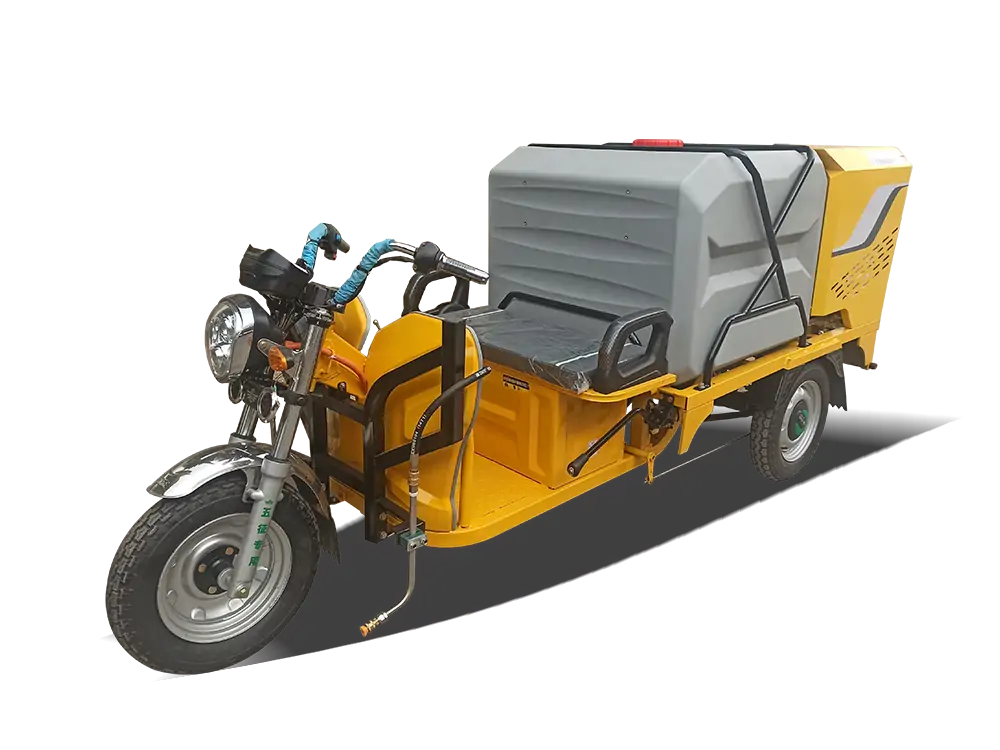
Baiyi focuses on electric sanitation equipment, including road sweepers, street washers, garbage trucks, leaf collection vehicles, water tankers, and floor scrubbers. This product range allows buyers to consider related sanitation equipment needs within one supplier relationship.
According to Baiyi, sanitation vehicles undergo more than 60 functional tests during assembly and testing. Baiyi also provides a 12-month vehicle warranty, excluding wearing parts and fragile parts. During the warranty period, replacement parts can be supplied after the relevant faulty parts and information are confirmed.
For distributors and project buyers, customization can also be important. Baiyi provides OEM solutions and can manufacture equipment according to customer requirements, including customer branding. This can be valuable for dealers building their own market identity or organizations with specific operating requirements.
Questions to Ask Before Requesting a Street Sweeper Quote
A detailed quotation process helps ensure a more accurate equipment recommendation. Prepare the following information before contacting a manufacturer:
- Primary application: municipal road, community, campus, industrial park, airport, retail site, or another environment.
- Typical road width, narrowest access point, and route conditions.
- Main debris type, including dust, sand, leaves, litter, or heavier material.
- Average cleaning area and expected operating hours per day.
- Preferred power source and charging conditions for electric equipment.
- Required delivery location, local regulations, and any import requirements.
- Requirements for branding, optional equipment, or OEM customization.
- Expectations for spare parts, training, and after-sales support.
Providing this information helps the manufacturer recommend a machine based on real operating requirements instead of a generic specification.
Find the Right Road Sweeper for Your Operation
The most effective street sweeper machine is not necessarily the biggest or the lowest-priced model. It is the one that matches your route, debris conditions, access limitations, operating schedule, and maintenance capabilities.
Baiyi provides electric street sweepers and electric road sweepers for compact urban cleaning, municipal road maintenance, public squares, campuses, parks, airports, and industrial sites. From smaller machines for narrow lanes to higher-capacity sweepers for wide roads, the product range is designed to support different sanitation tasks.
Contact Baiyi with your cleaning environment, route size, debris type, and operating schedule. Based on these details, our team can recommend a suitable electric road sweeper or municipal sweeper for your project.
Request a Quote for a Street Sweeper Machine
Tell us your application, road conditions, and required cleaning capacity. We will recommend a suitable electric street sweeper, road sweeper, or municipal sweeper for your project.