


















News, Product News
Electric Floor Sweeper for Warehouses: Site Trial Guide
Electric Floor Sweeper for Warehouses: Test the Route Before You Buy
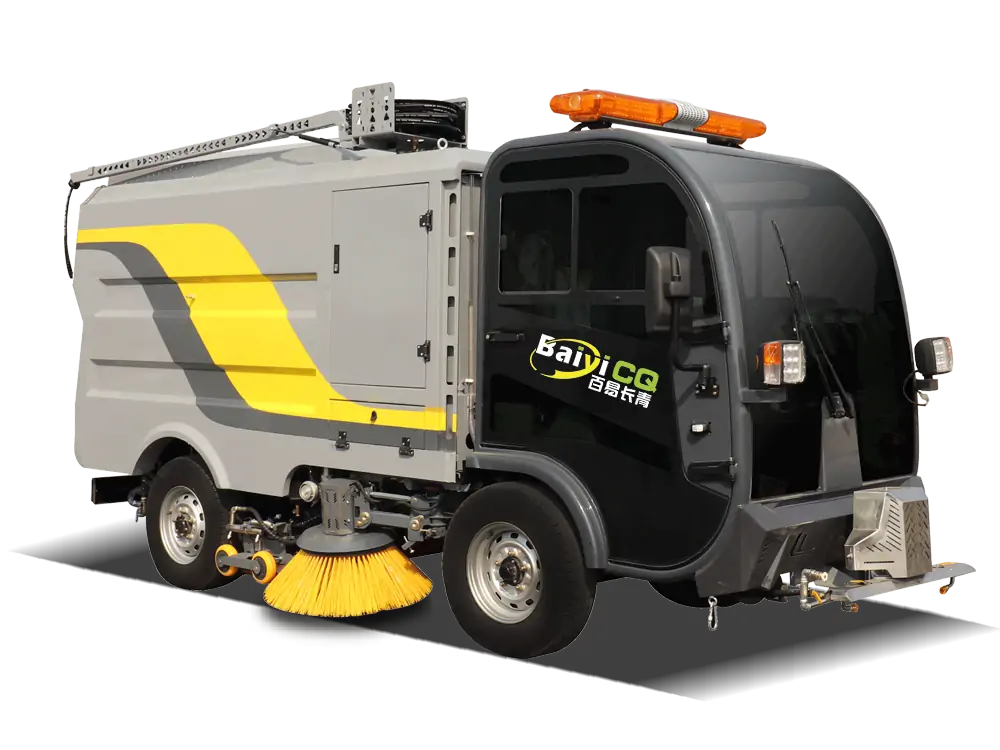
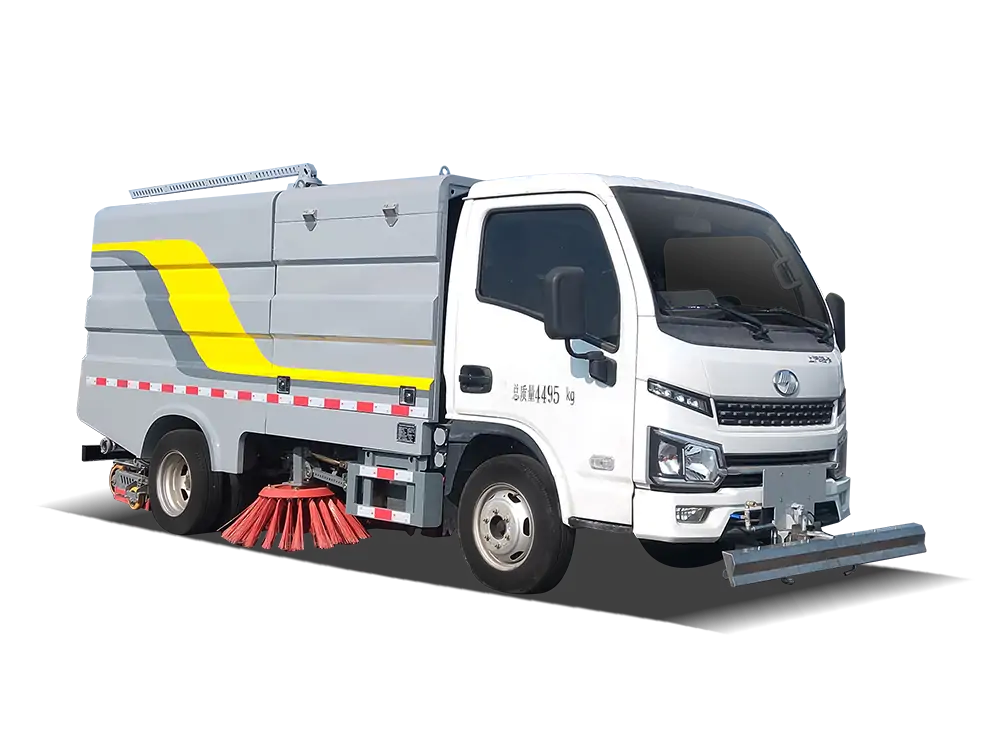
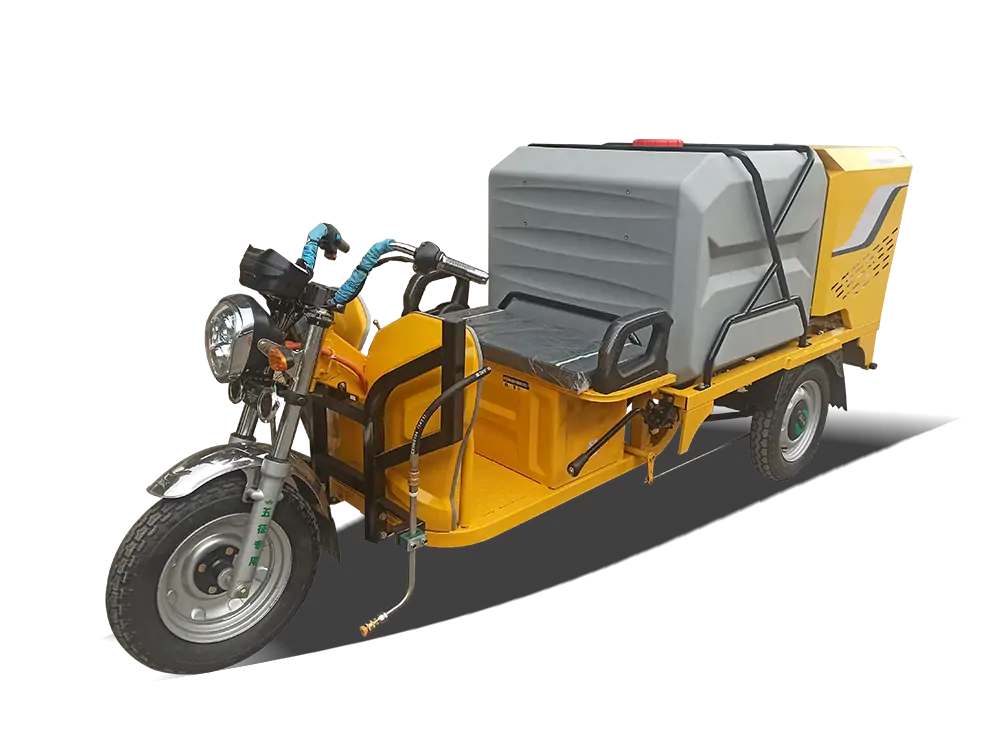
An electric floor sweeper is usually considered when loose debris keeps returning to warehouse aisles, loading areas or paved facility roads. Buyers often compare sweeping width and rated area coverage first. Those figures are useful, but they cannot show whether a machine will collect the site’s actual debris, pass its tightest doorway or finish the route without repeated trips to empty its hopper.
The most productive purchasing step is a short site trial. It turns a broad request for an “industrial electric floor sweeper” into a measurable job: the same route, the same debris and the same cleaning window for every candidate machine.
What are you trying to remove?
Walk the facility and photograph the material that accumulates between normal cleaning visits. Packaging offcuts, leaves carried in from outdoors, sand and fine dust place different demands on brushes, suction and filters. Mark where material collects: beside racks, around dock doors, at pedestrian crossings and along the edges of wide roads.
Ask for a demonstration using this material on the actual surface. After one pass, inspect the center of the path and the edges separately. Look for material pushed aside by a brush, visible dust escaping behind the machine and debris left where the floor is uneven. If the site has persistent fine dust, observe the dust-control system during both sweeping and hopper emptying.
Build a route that exposes the real constraints
Measure the clear width and height of doors, the narrowest aisle, the turning space at aisle ends and any ramps. Include the distance to the hopper-emptying point and the charger. Sweeping width is the width covered by the brushes; buyers also need the machine’s complete operating dimensions.
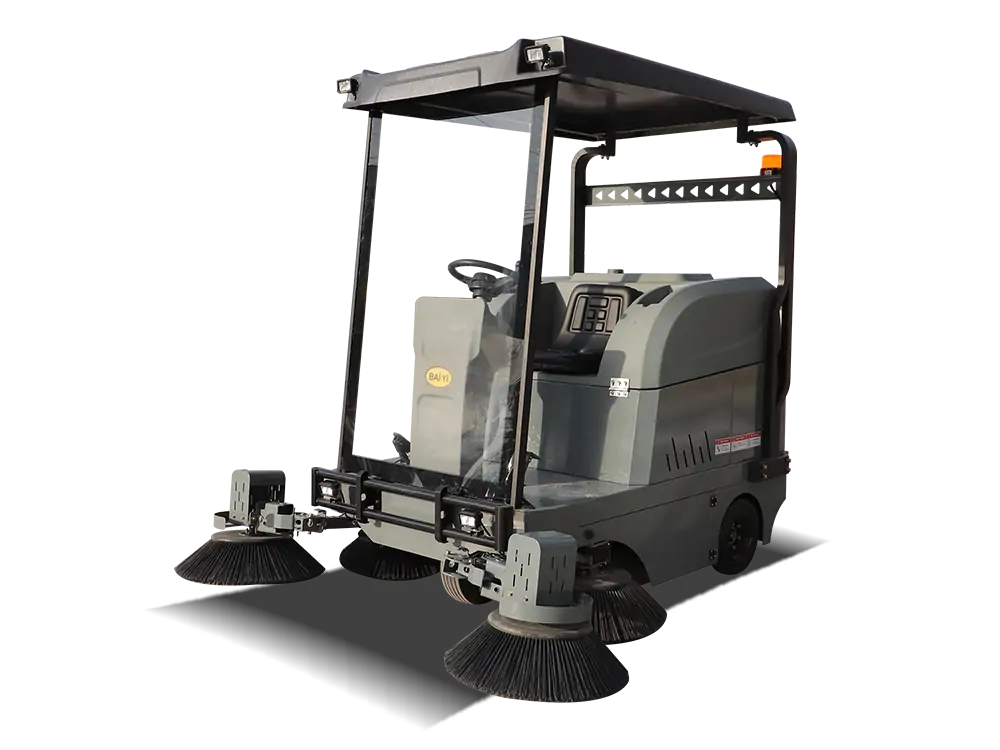
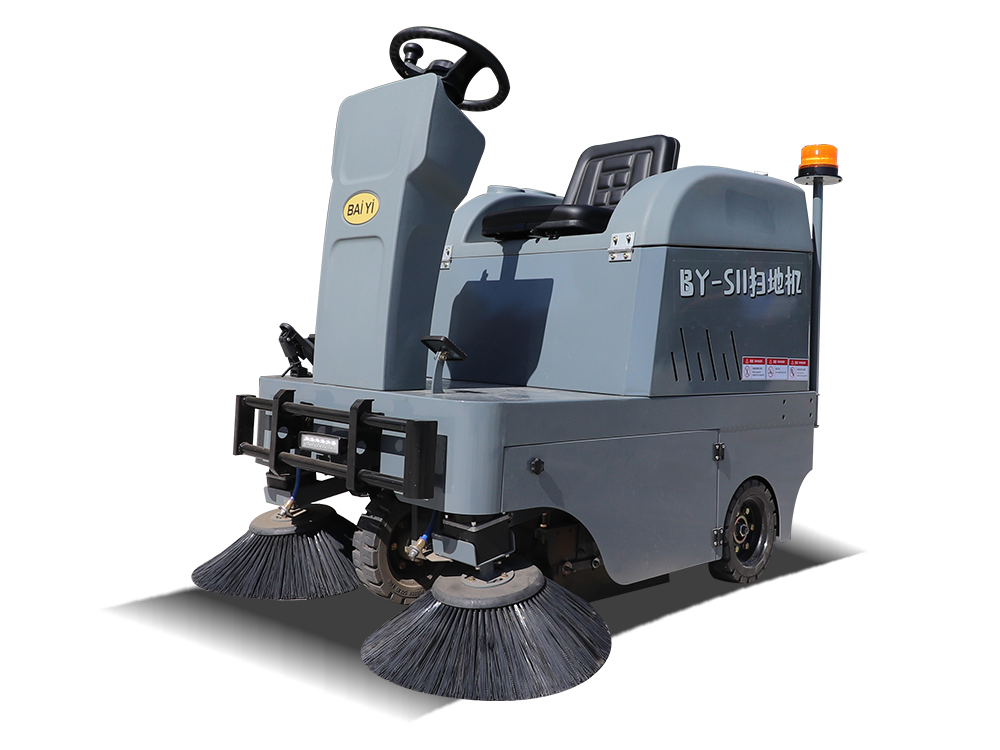
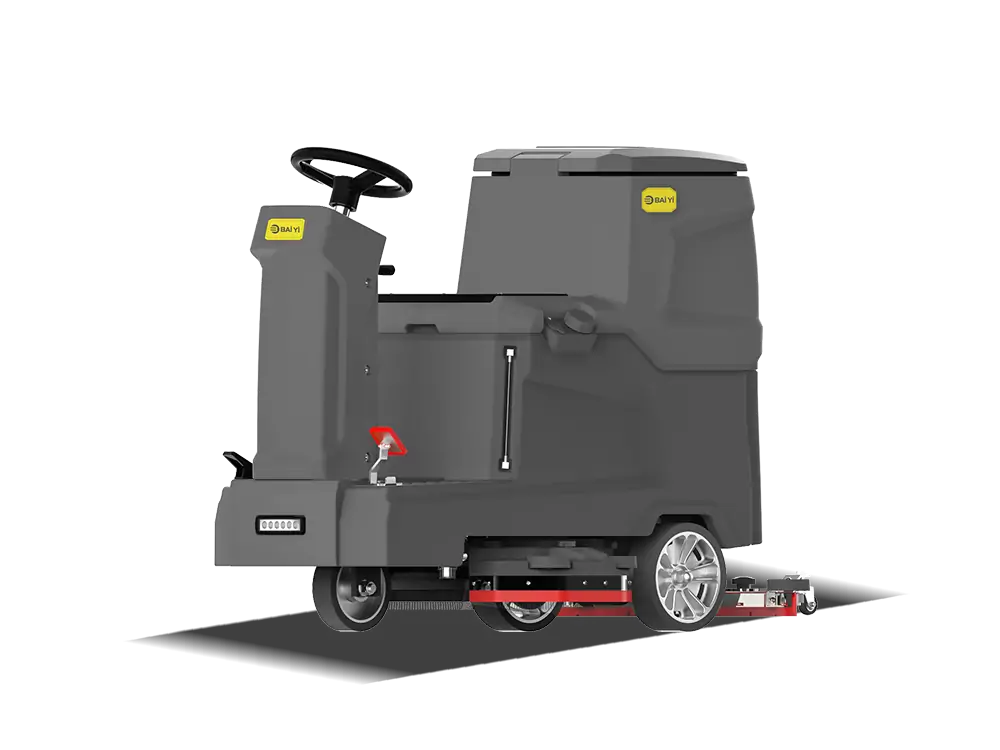
For example, a 1,250 mm clear doorway is already narrower than the published 1,300 mm overall width of Baiyi’s BY-S12. Baiyi lists its BY-S11 at 1,200 mm overall width. That leaves only 50 mm of total nominal clearance, so the doorway still needs a practical on-site check. A wide machine can be productive on open pavement yet unusable on the route that connects it to the cleaning area.
Compare three Baiyi models by job size
| Model | Published sweeping width | Hopper | Published working time | Best question to ask |
|---|---|---|---|---|
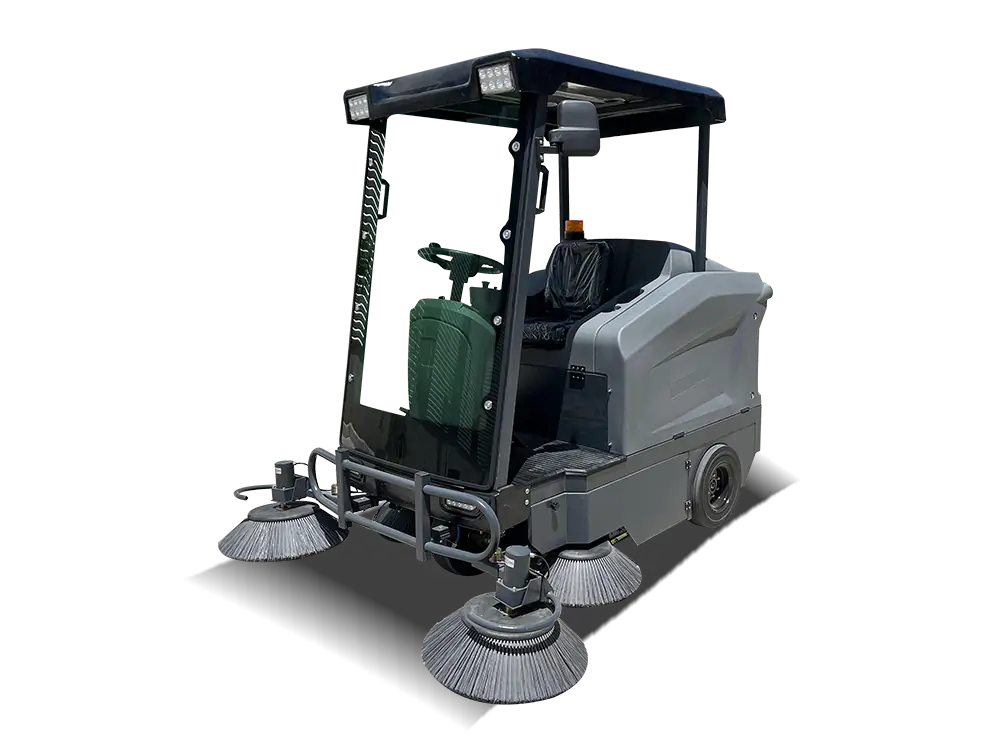
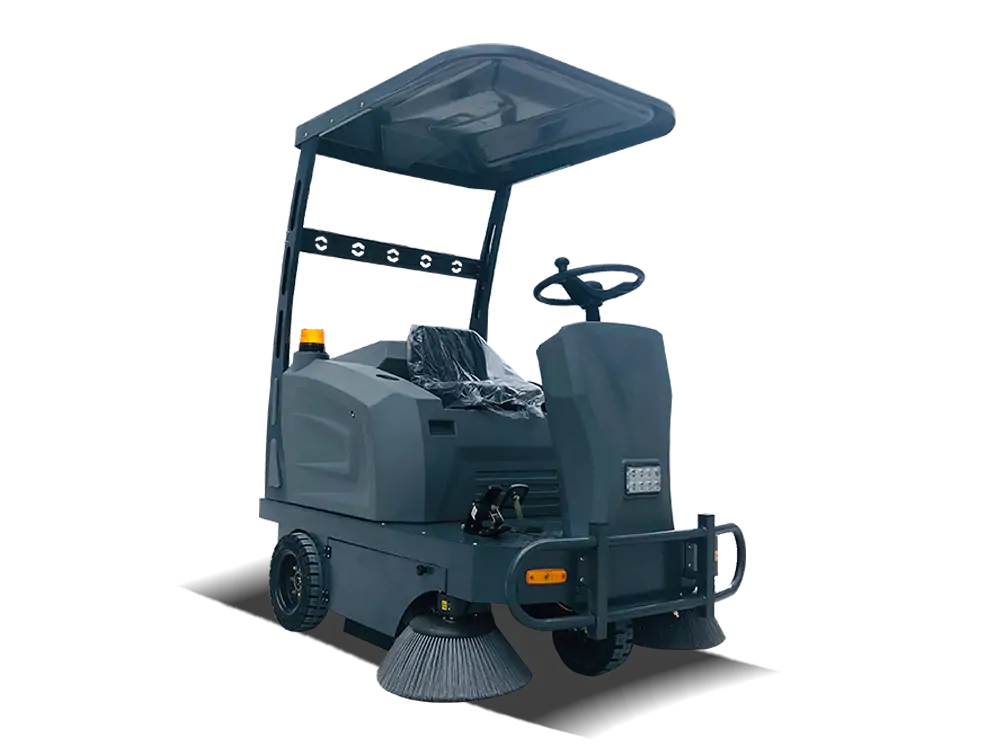
| BY-S11 | 1,200 mm | 100 L | 2.5–3.5 h | Can it pass every doorway and finish the smaller route? |
| BY-S12 | 1,300 mm | 120 L | 3.5–4.5 h | Does the extra width reduce passes without losing access? |
| BY-S20 | 2,000 mm | 260 L | 6–8 h | Is there enough open area to benefit from the wider path? |
These are published product-page figures, not guaranteed results for a particular site. Ask for the current technical sheet of the configuration offered.
Record what happens during a site trial
Run a representative route at a normal operating speed. Record the starting and finishing time, number of passes, battery indication, hopper-emptying stops and areas requiring follow-up cleaning. Repeat the route where debris is heaviest. This gives the buyer a practical comparison even when suppliers publish different maximum area-per-hour figures.
Check the operator’s daily work as well. Can the hopper be emptied at the site’s designated point? How are the filter and brushes inspected? What must be cleaned at the end of a shift? A sweeping machine that is difficult to service may spend more time parked than its headline productivity suggests.
When does the site need a scrubber too?
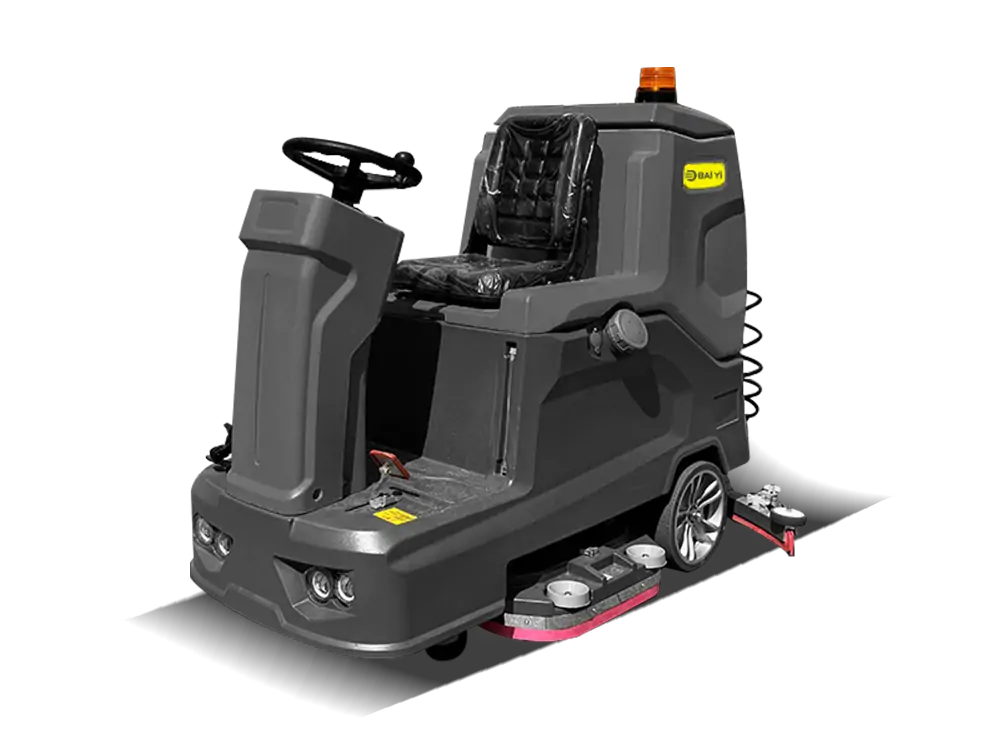
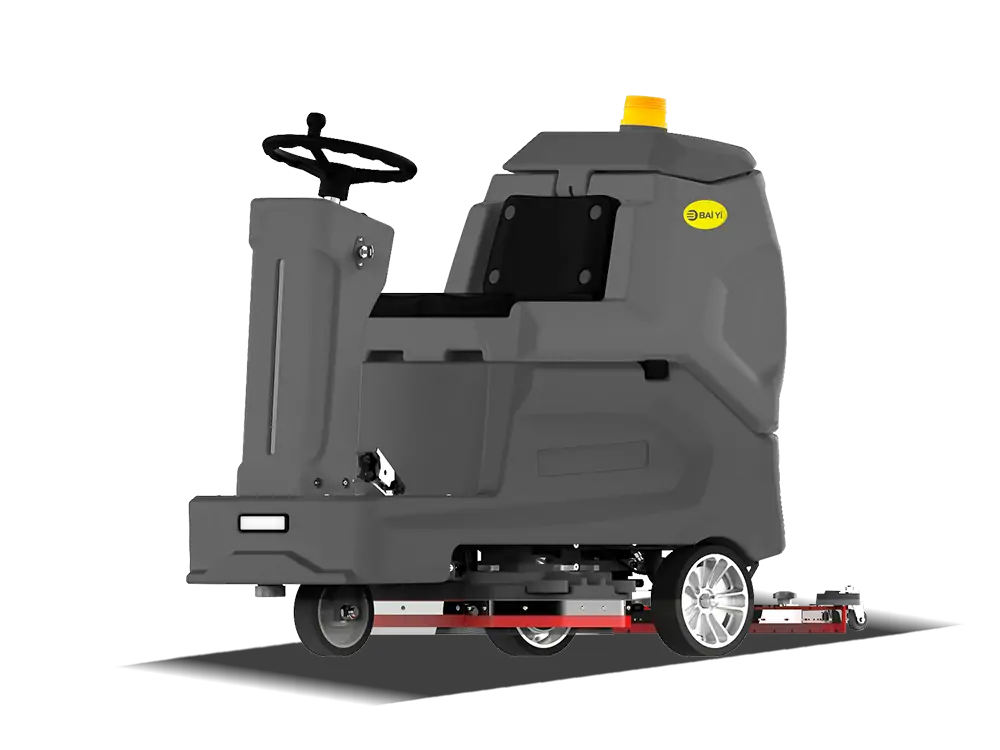
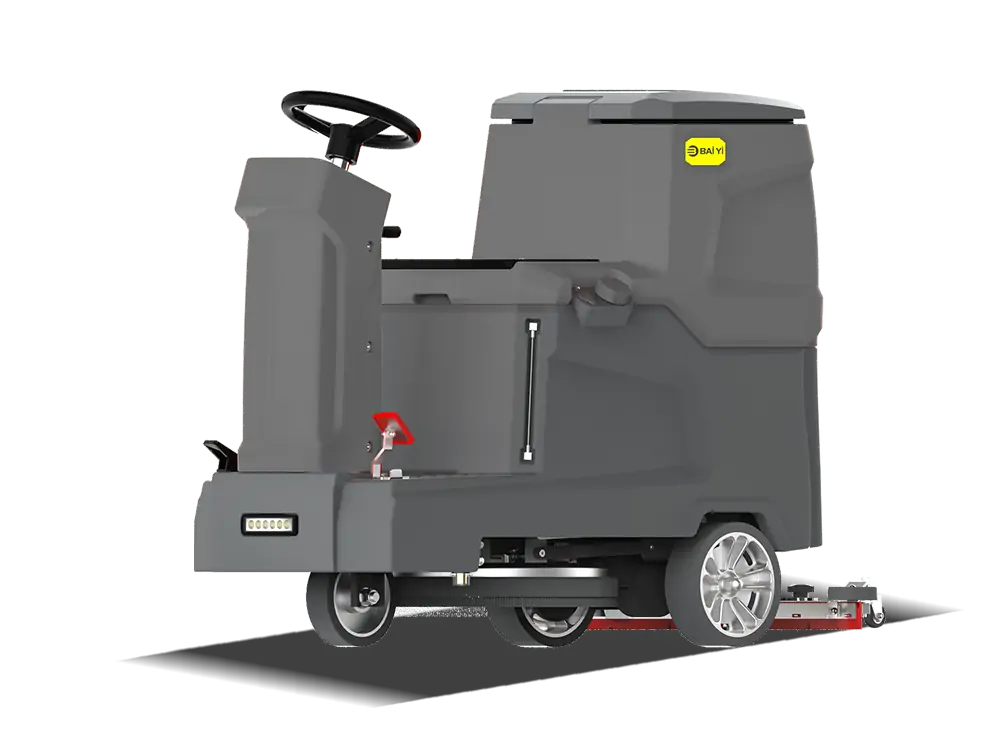
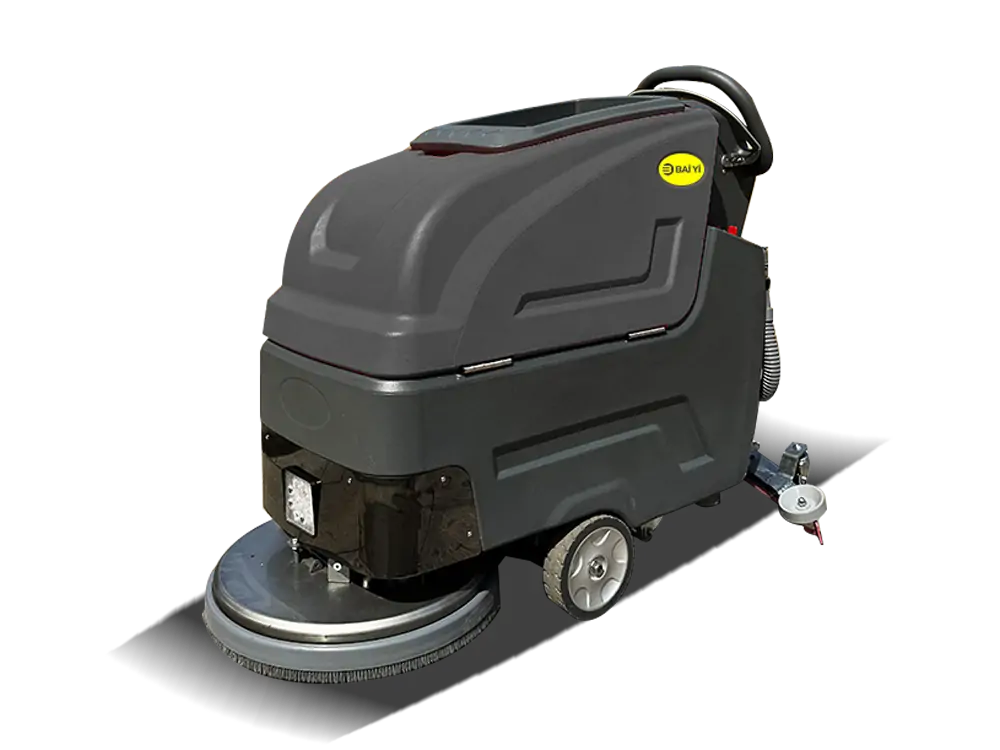
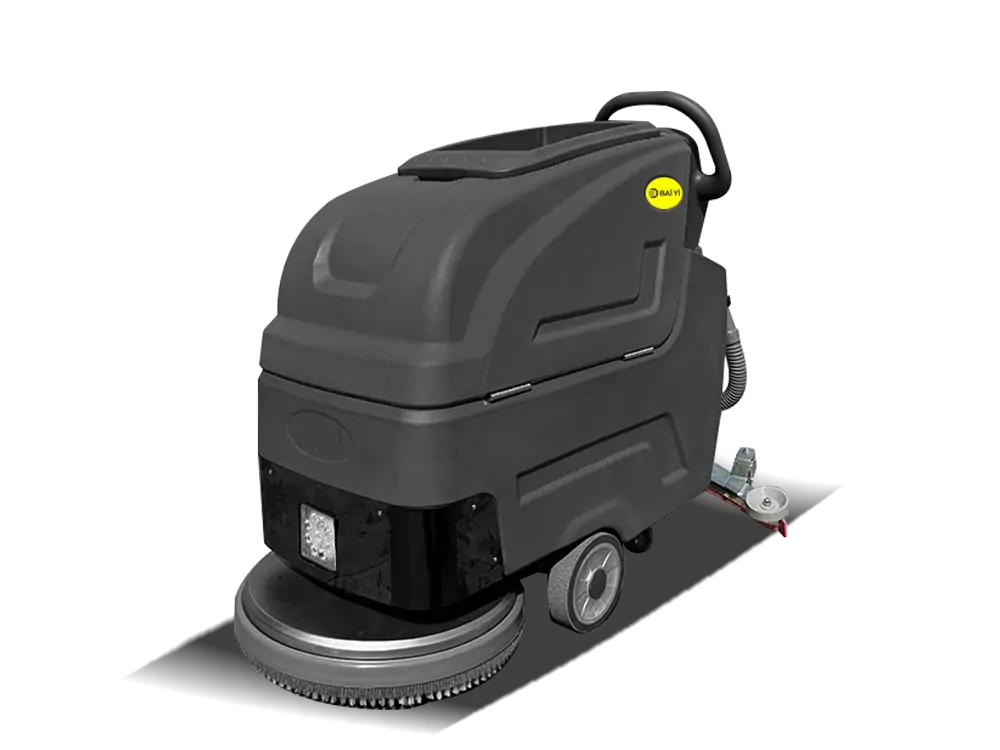
A sweeper addresses loose material. If the floor also has adhered grime or wet spills, test a floor scrubber for those areas. Separate the tasks in the cleaning plan so the purchasing decision reflects the surface problem, rather than asking one machine to perform an unverified combination of functions.
Questions to put in the quotation request
Send the floor plan, narrowest access dimensions, debris photographs, cleaning frequency and required work window. Ask Baiyi to state the supplied brushes, filtration and water-spray configuration, battery and charger, hopper capacity, warranty and consumable parts. Request a site-trial procedure with the expected cleaning result written down. Contact Baiyi with those details for a model recommendation.