


















News, Product News
Why Electric Industrial Sweepers Are the Future of Facility Cleaning
In today’s rapidly evolving industrial landscape, efficiency, sustainability, and cost control have become non-negotiable priorities for businesses. That’s why more and more companies are turning to electric industrial sweepers—high-performance, eco-friendly machines that deliver superior cleaning results while significantly reducing long-term operational costs.
What Is an Electric Industrial Sweeper?
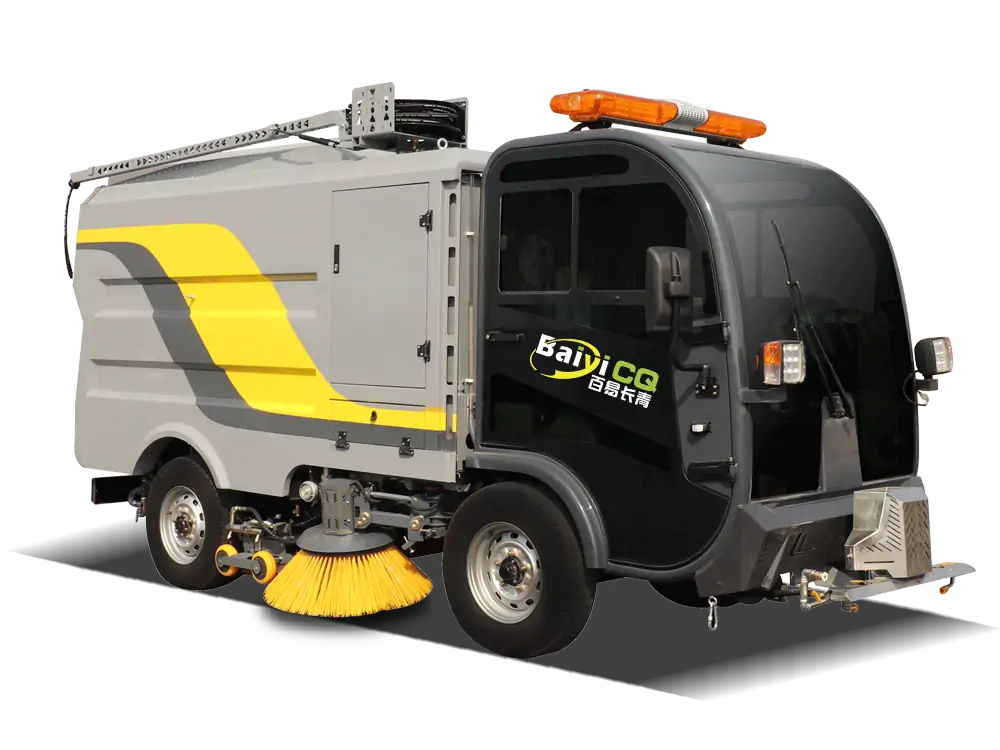
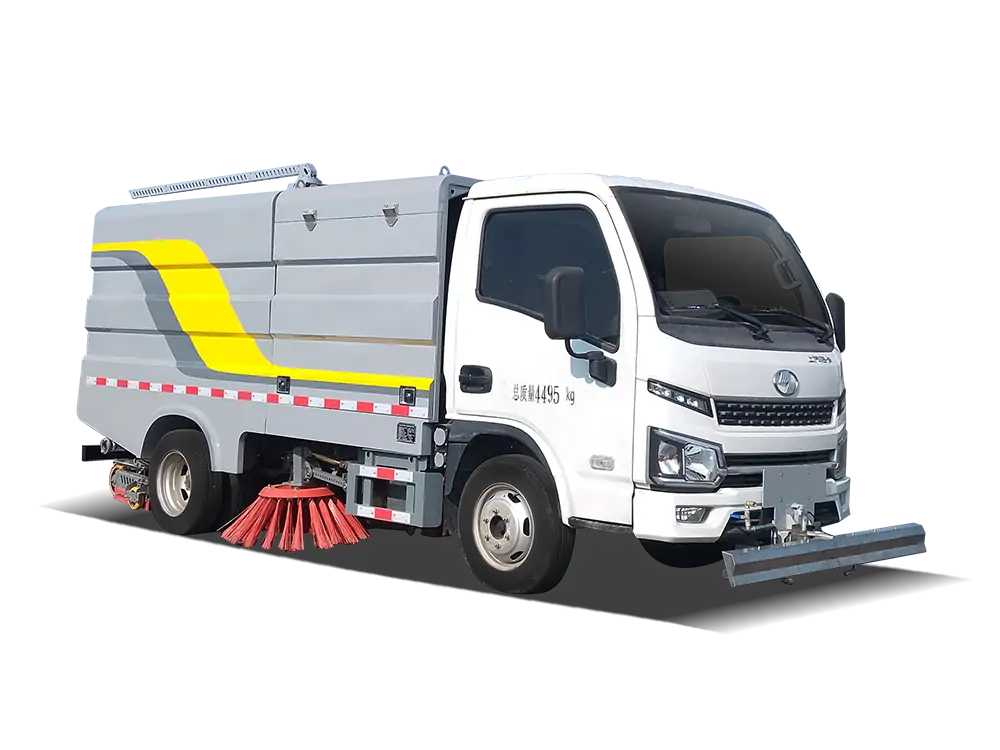
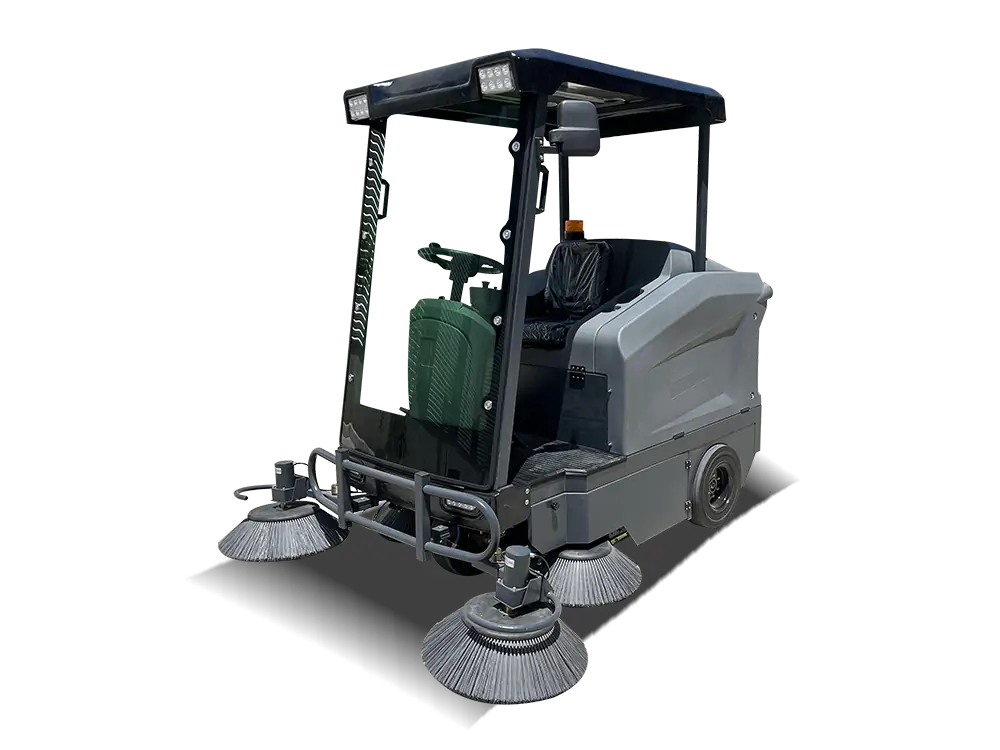
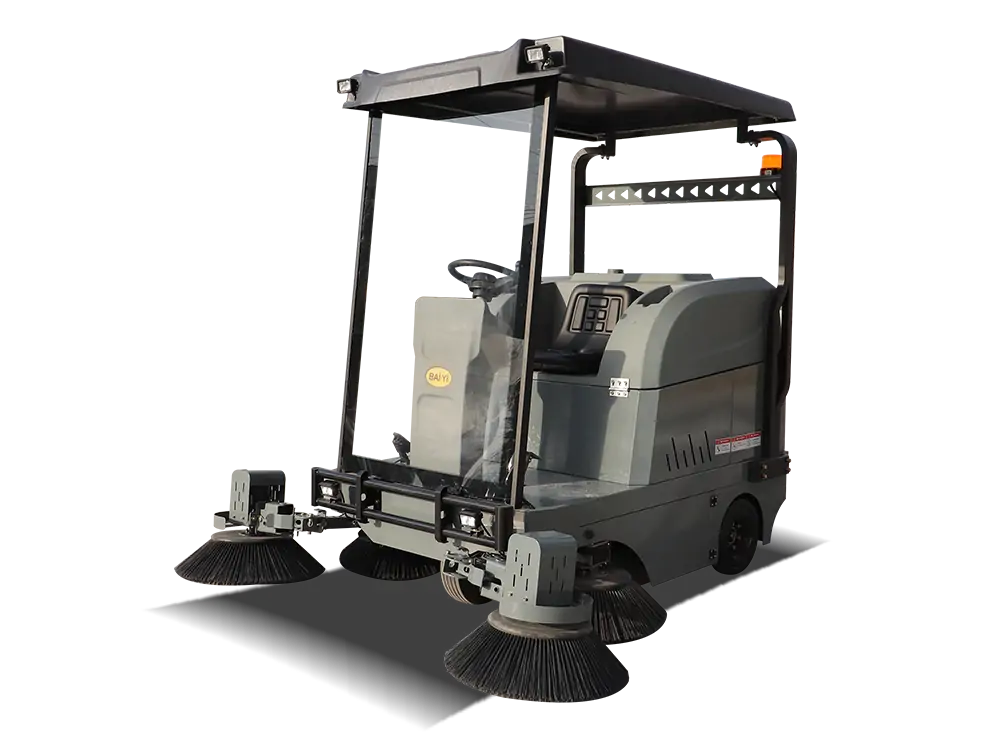
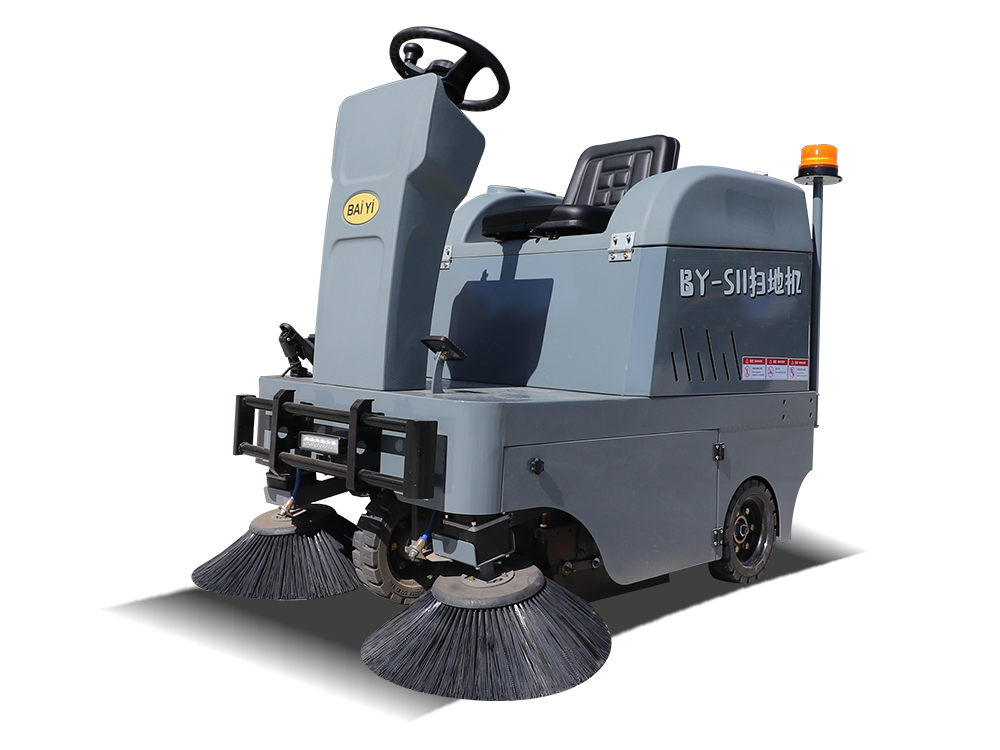
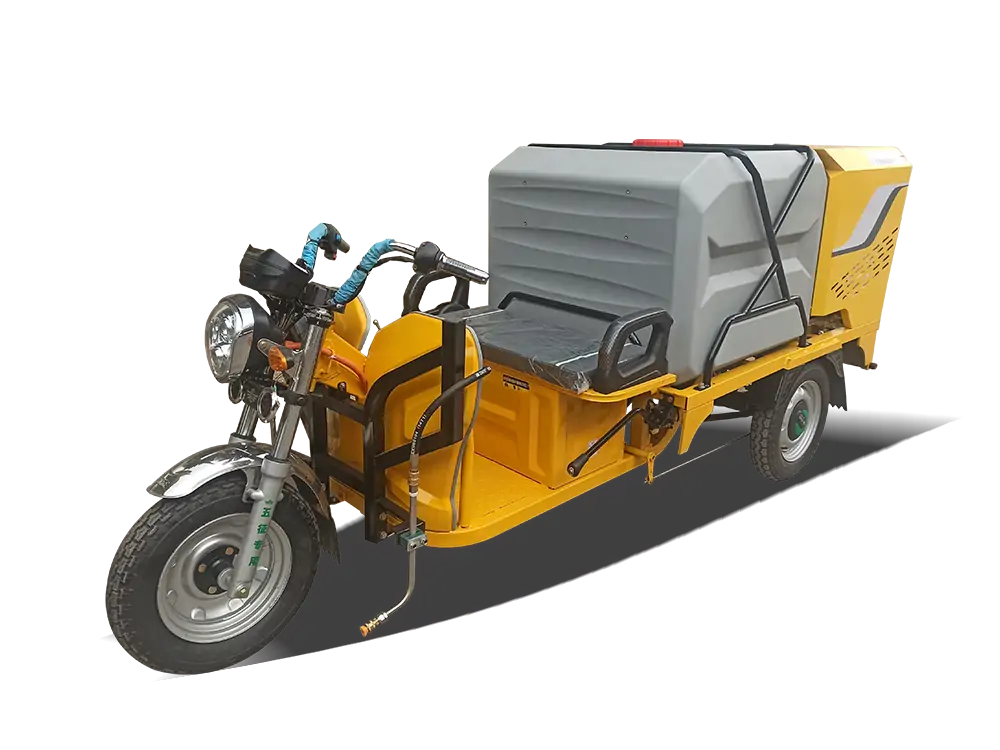
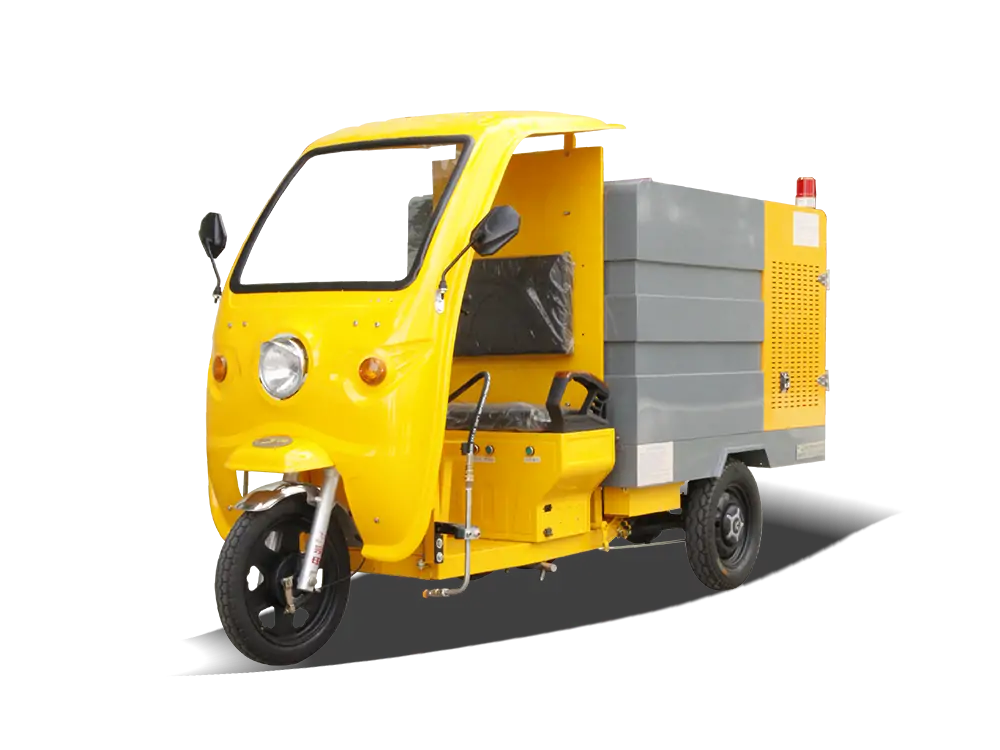
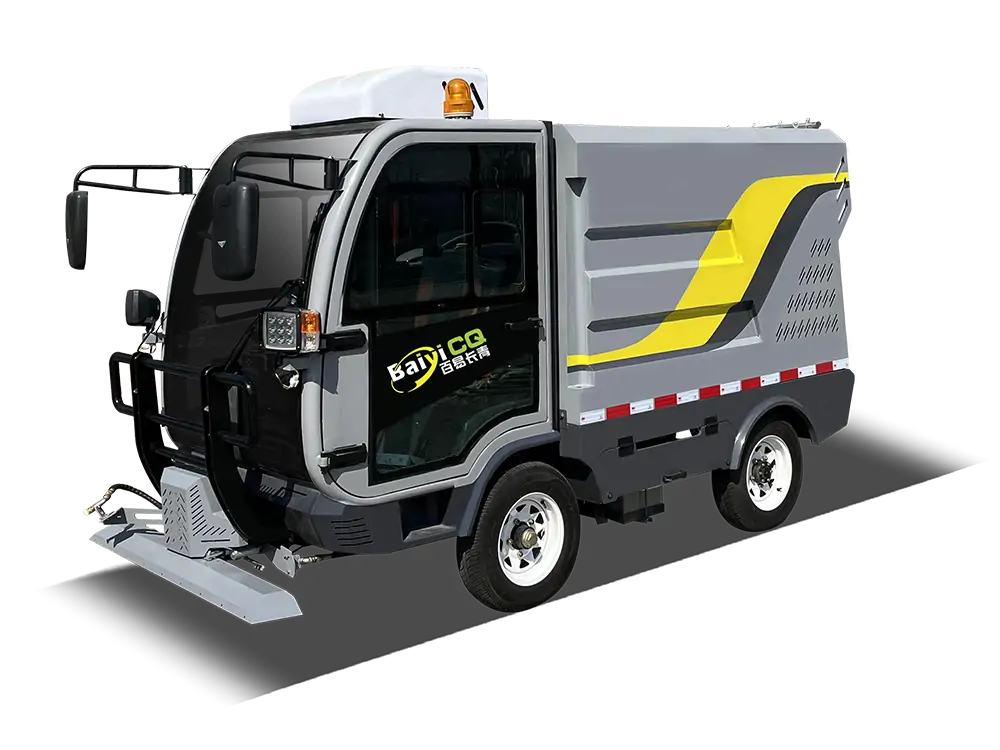
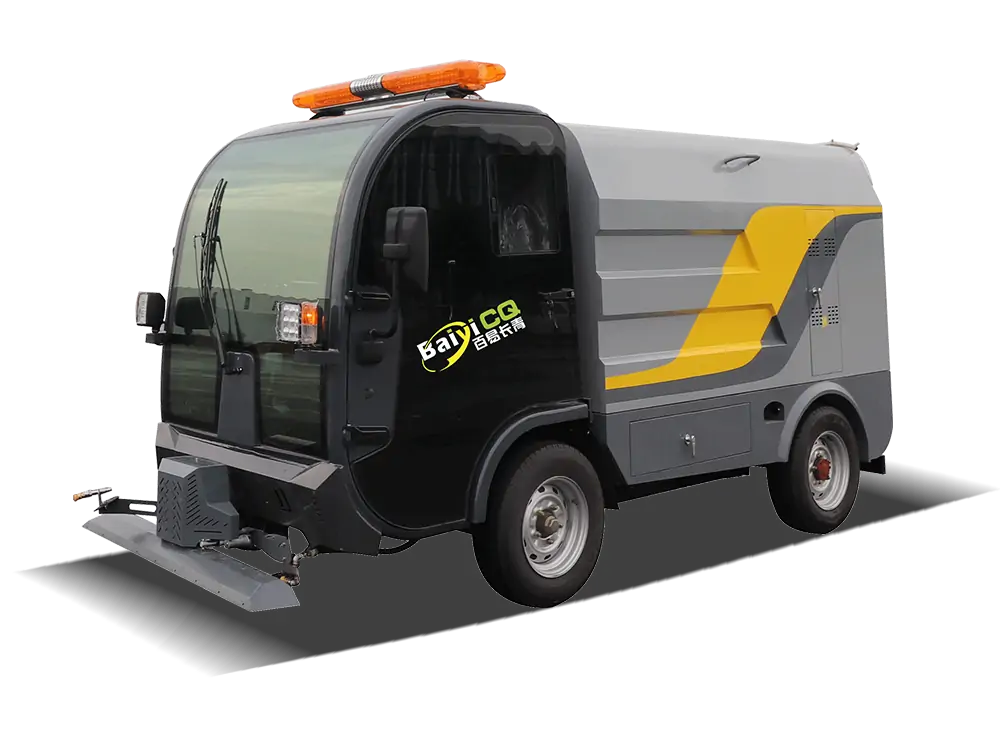
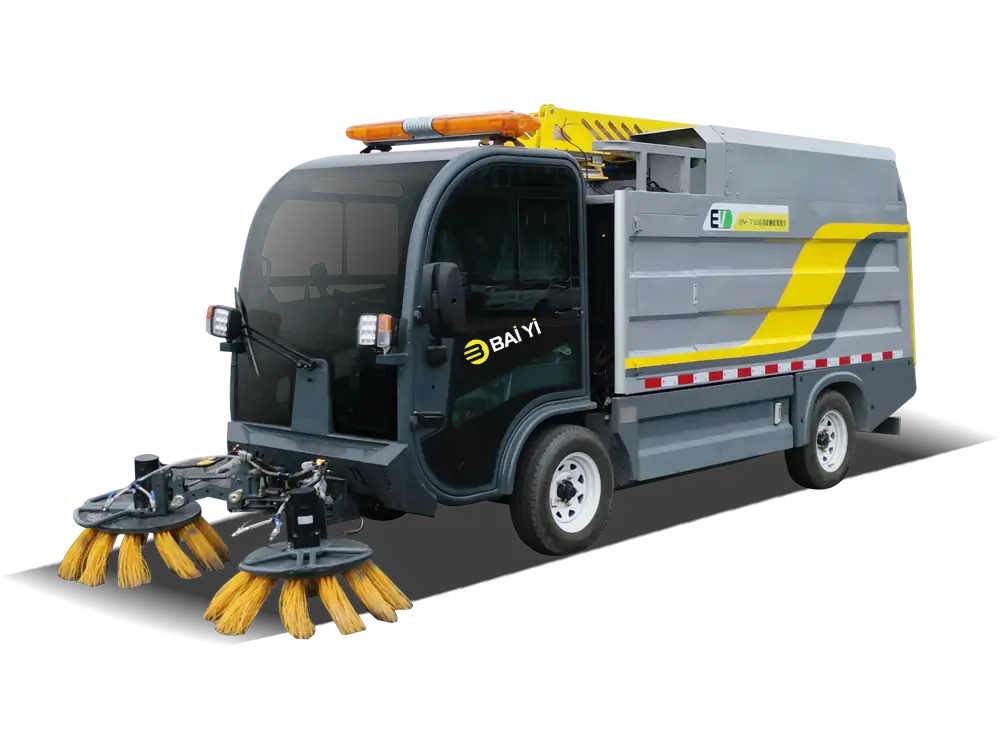
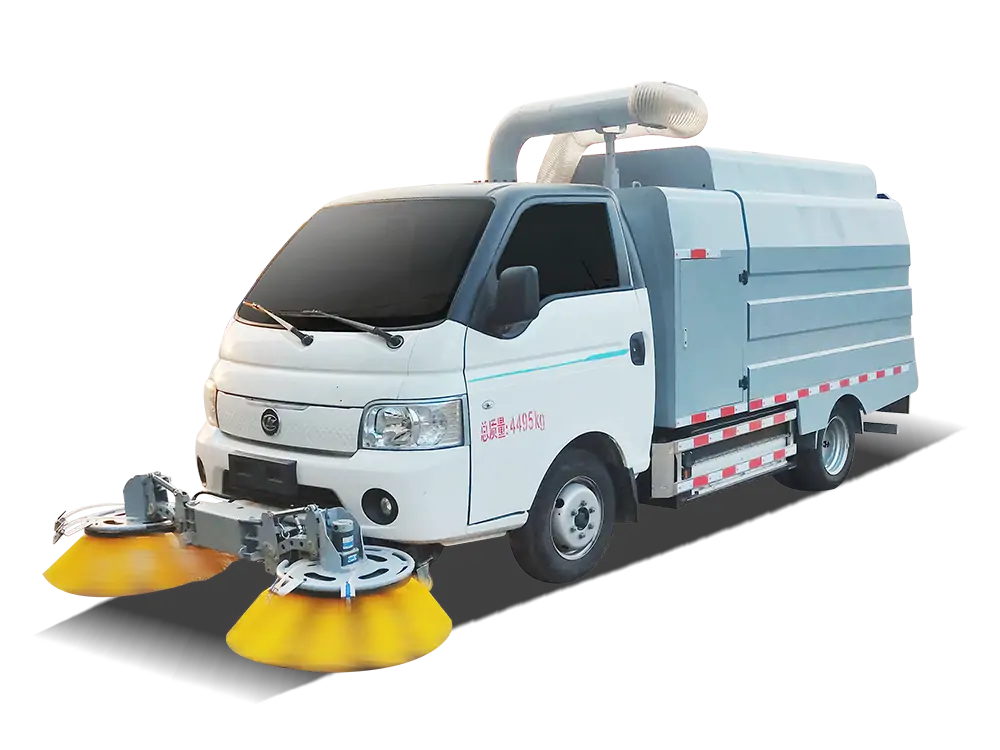
An electric industrial sweeper is a battery-powered cleaning machine specifically engineered for heavy-duty environments such as factories, warehouses, logistics centers, airports, and municipal areas. Unlike traditional manual sweeping or diesel-powered alternatives, it integrates mechanical brushing, debris collection, and often a water-spray dust suppression system—all in one zero-emission, low-noise solution for highly efficient operation.

Five Key Advantages of Electric Industrial Sweepers
✅ 1. Zero Emissions & Low Noise
Powered by lead-acid or lithium-ion batteries, these sweepers produce no exhaust fumes—making them ideal for indoor use in food processing plants, pharmaceutical facilities, and enclosed warehouses. Their quiet operation ensures minimal disruption to production or daily operations.
Powered by lead-acid or lithium-ion batteries, these sweepers produce no exhaust fumes—making them ideal for indoor use in food processing plants, pharmaceutical facilities, and enclosed warehouses. Their quiet operation ensures minimal disruption to production or daily operations.
✅ 2. High Cleaning Efficiency
Modern electric industrial sweepers can clean 8,000–20,000+ square meters per hour, thanks to wide sweeping paths (typically over 1,250 mm) and a combination of dual side brushes plus a main roller brush. This dramatically reduces labor needs—one operator can replace 4 to 8 manual cleaners.
Modern electric industrial sweepers can clean 8,000–20,000+ square meters per hour, thanks to wide sweeping paths (typically over 1,250 mm) and a combination of dual side brushes plus a main roller brush. This dramatically reduces labor needs—one operator can replace 4 to 8 manual cleaners.
✅ 3. Lower Total Cost of Ownership
While the initial investment may be higher than basic tools like brooms, the long-term savings are substantial:
While the initial investment may be higher than basic tools like brooms, the long-term savings are substantial:
- Significant reduction in labor costs
- Minimal maintenance (no oil changes, fewer mechanical parts)
- Electricity costs far lower than fuel expenses
✅ 4. Robust Construction & Intelligent Design
Built with full-steel frames and featuring stainless steel components in high-contact areas (such as main brushes and side brush mounts), these machines resist corrosion and withstand harsh conditions. Quick-release brush systems, drawer-style waste bins, and one-touch controls further enhance productivity and user experience.
Built with full-steel frames and featuring stainless steel components in high-contact areas (such as main brushes and side brush mounts), these machines resist corrosion and withstand harsh conditions. Quick-release brush systems, drawer-style waste bins, and one-touch controls further enhance productivity and user experience.
✅ 5. Supports ESG Goals & Green Branding
Adopting electric industrial sweepers demonstrates a strong commitment to sustainability. It helps reduce your carbon footprint and showcases environmental responsibility to customers, regulators, and the public—strengthening your brand reputation.
Adopting electric industrial sweepers demonstrates a strong commitment to sustainability. It helps reduce your carbon footprint and showcases environmental responsibility to customers, regulators, and the public—strengthening your brand reputation.
Typical Applications
- Manufacturing Plants: Remove metal shavings, dust, and oil stains
- Warehouses & Logistics Centers: Keep high-traffic aisles clean and slip-resistant
- Airports & Transit Hubs: Efficiently clean terminals, concourses, and parking areas
- Municipal Services: Quiet operation on streets, plazas, and bike lanes
- Commercial Facilities: Shopping malls, universities, hospitals, and more
How to Choose the Right Model?
When selecting an electric industrial sweeper, consider these key specifications:
- Battery type (lead-acid vs. lithium) and runtime (typically 3–8 hours)
- Sweeping width and hopper capacity
- Turning radius (smaller = more maneuverable; ideally under 3 meters)
- Optional features: water tank for dust control, auto-dump function, remote monitoring
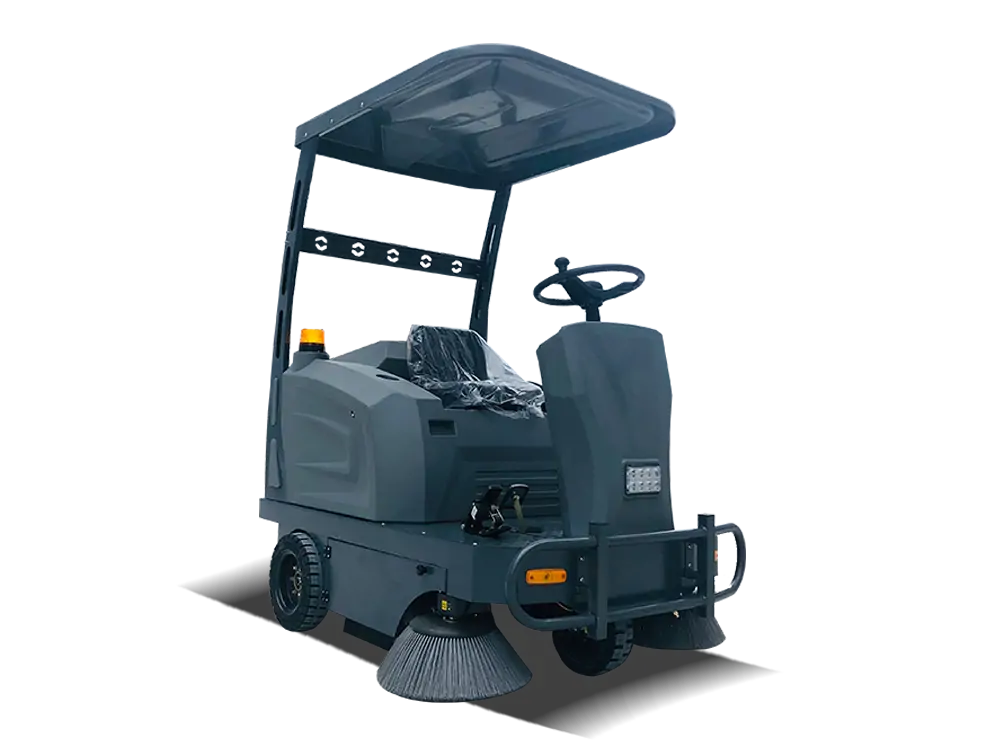
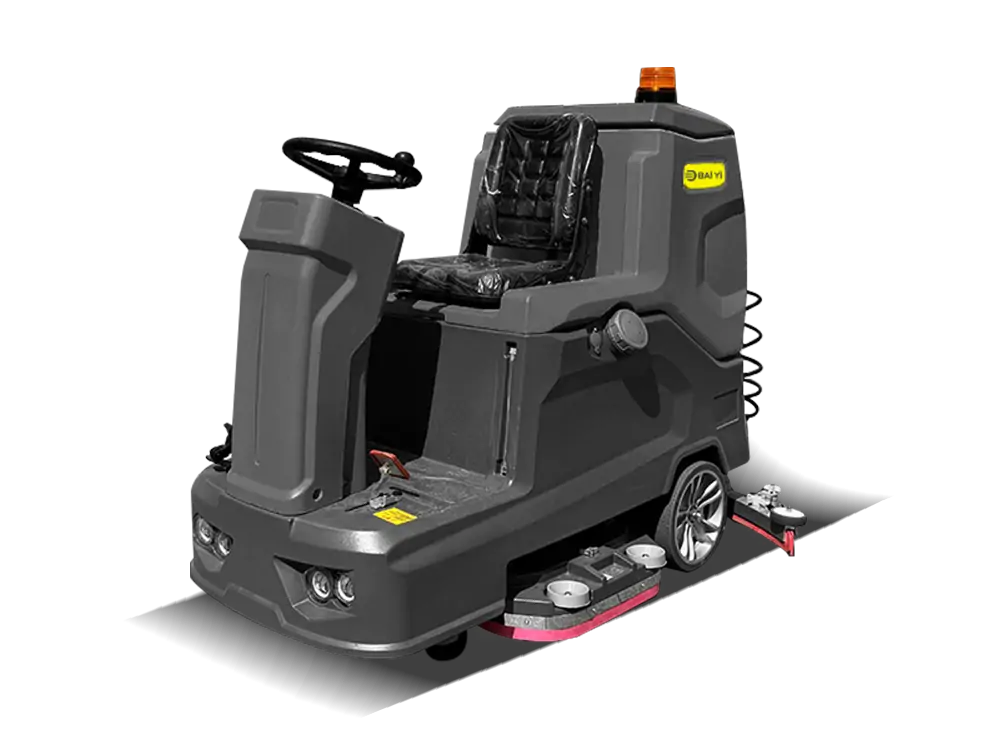
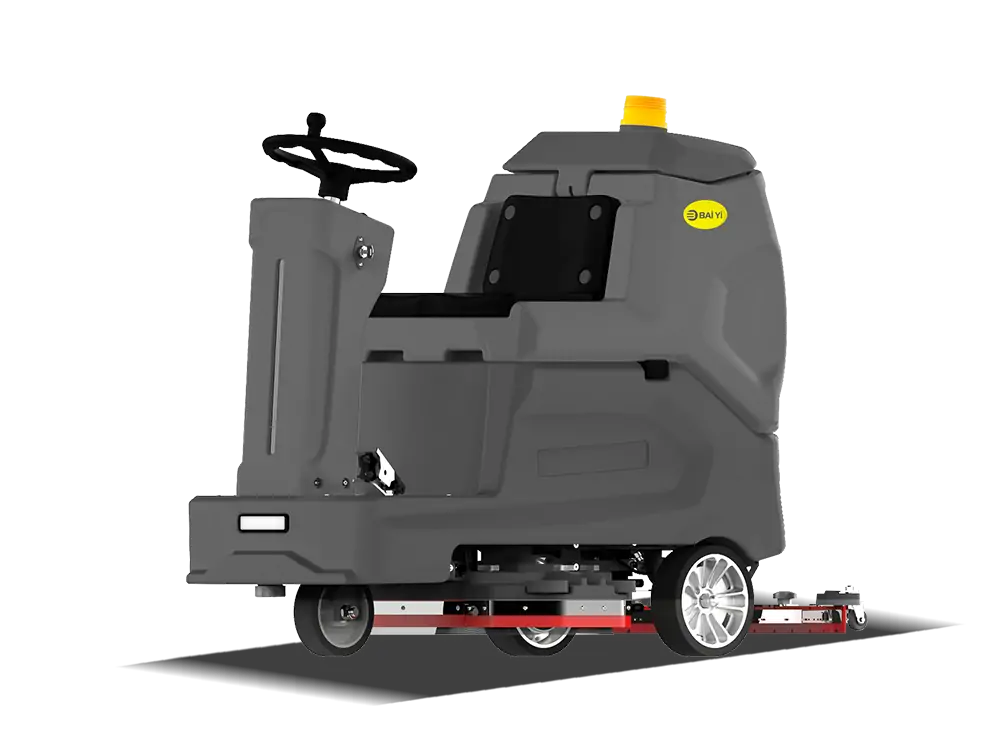
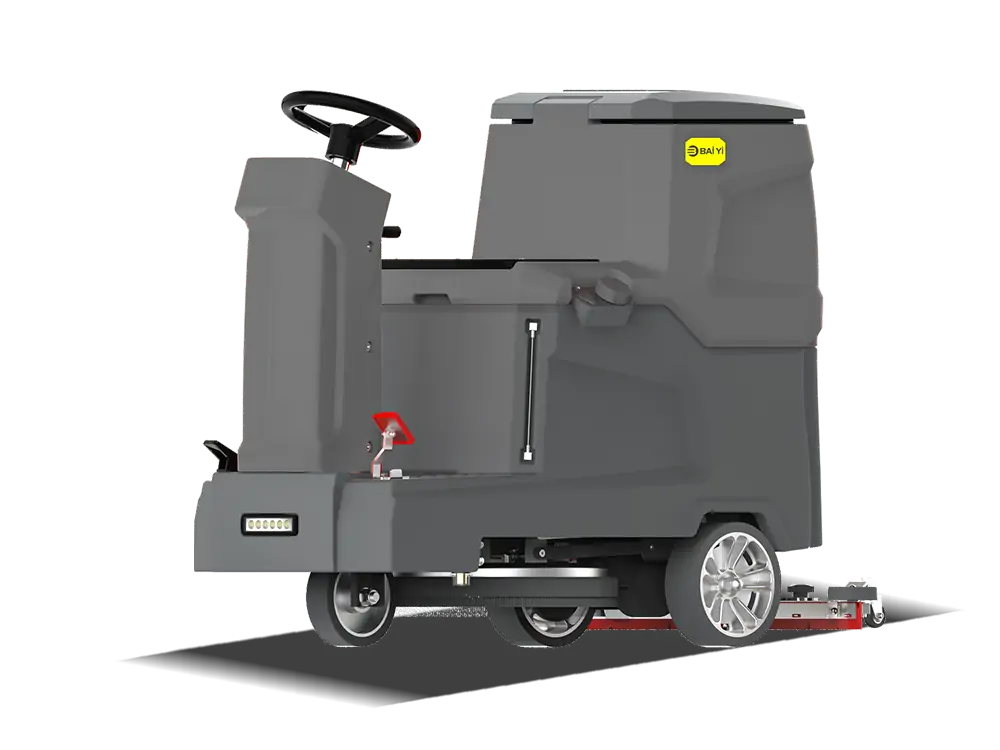
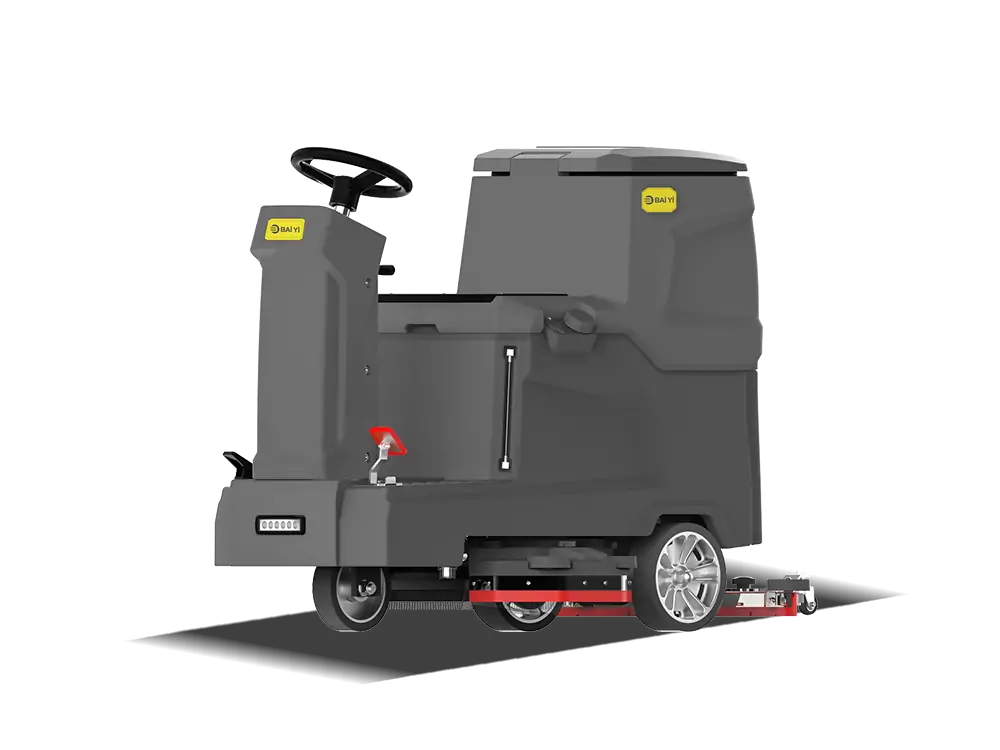
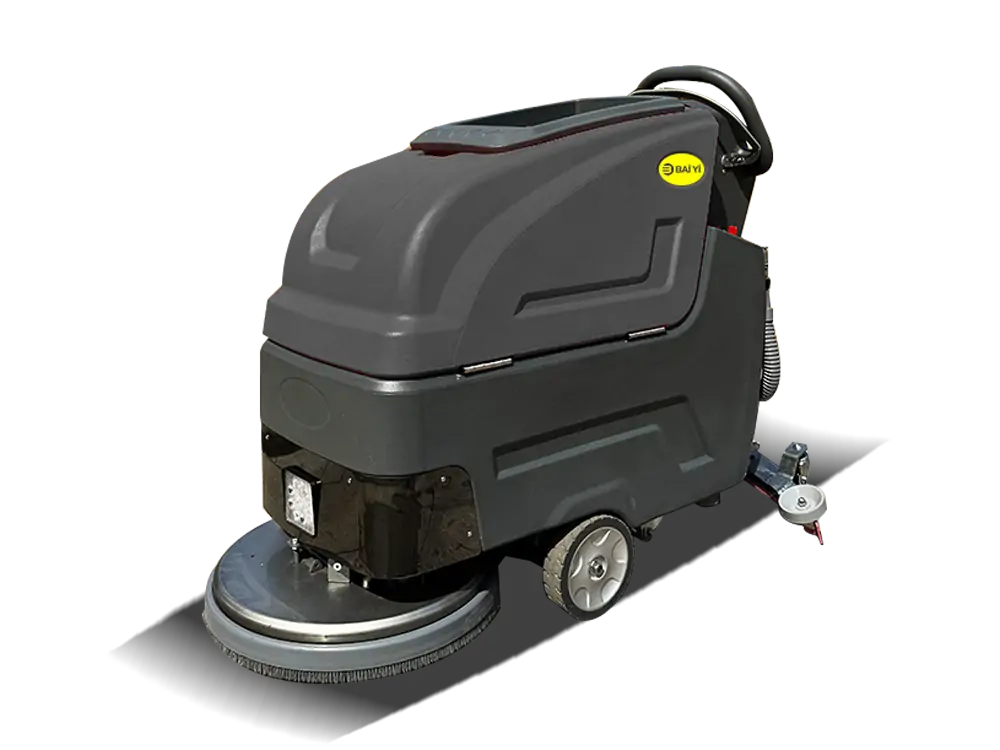
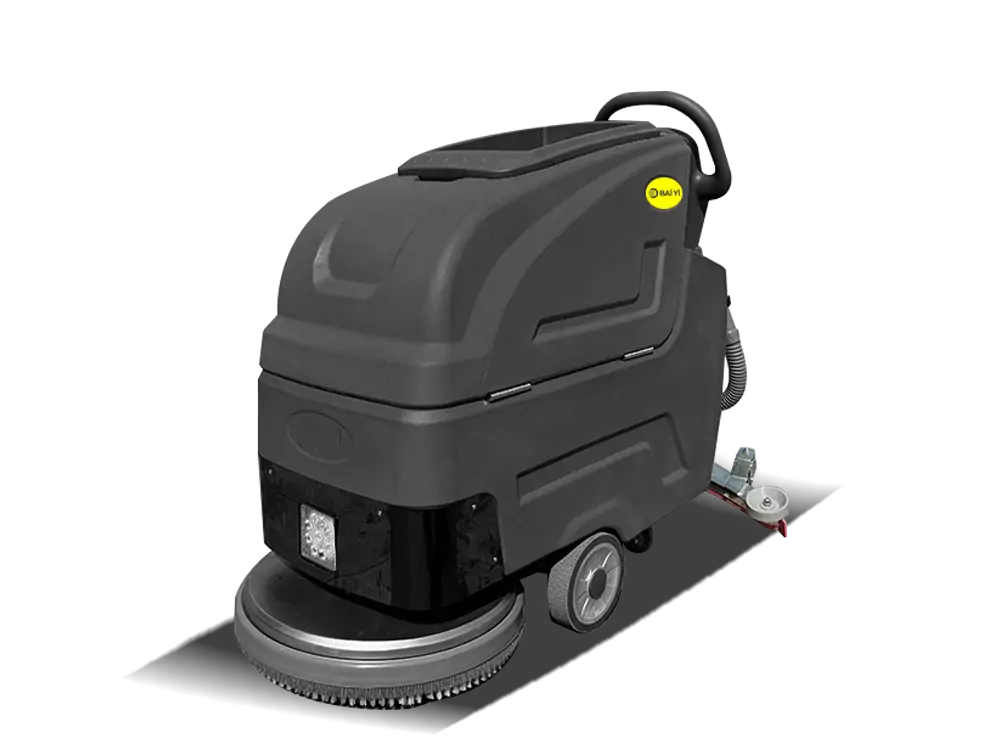
Leading manufacturers like Baiyi offer customizable solutions—from compact ride-on models to heavy-duty walk-behind units—to match the unique demands of your facility.
Conclusion
An electric industrial sweeper is more than just a cleaning machine—it’s a strategic asset that boosts productivity, enhances workplace safety, and supports sustainable development. As battery technology advances and environmental regulations tighten, the global shift from manual labor or fossil-fueled equipment to electric cleaning solutions is accelerating.
Ready to upgrade your cleaning strategy?
Explore our high-performance range of electric industrial sweepers—and let one machine transform your facility’s cleanliness standards and operational efficiency.
Explore our high-performance range of electric industrial sweepers—and let one machine transform your facility’s cleanliness standards and operational efficiency.