


















News, Product News
The Electric Garbage Truck Range from Baiyi | 13 Models
Electric Garbage Truck Range: 13 Models, 2.5 to 13 m³, Built in Jinan
Most buyers searching for an electric garbage truck run into the same wall: the market is split between 25-tonne flagship units priced for national fleets and cheap imported four-wheelers that cannot be registered for road use. The 3 to 6 m³ middle — where most municipal districts, property groups and industrial parks actually operate — is thin.
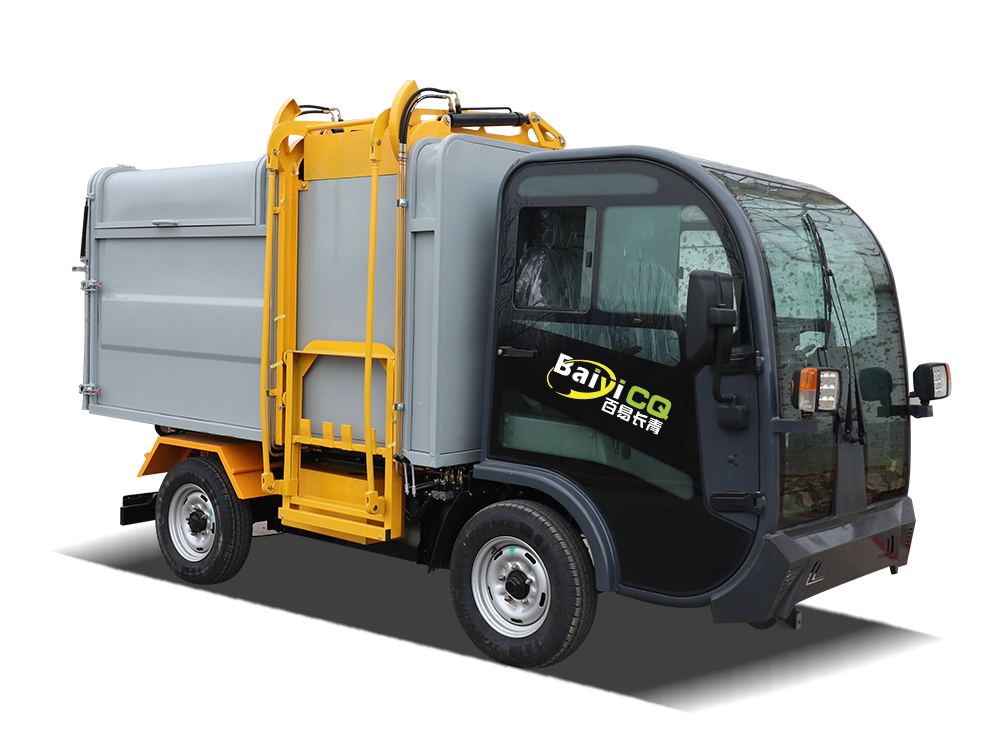
Shandong Baiyi Intelligent Equipment Co., Ltd. builds for that middle, and past it. The company’s range covers 13 electric garbage truck models from 2.5 m³ to 13 m³, with rated payload up to 5,870 kg and range from 60 to 305 km. Three loading configurations are available: rear-loading, side-loading and self-loading.
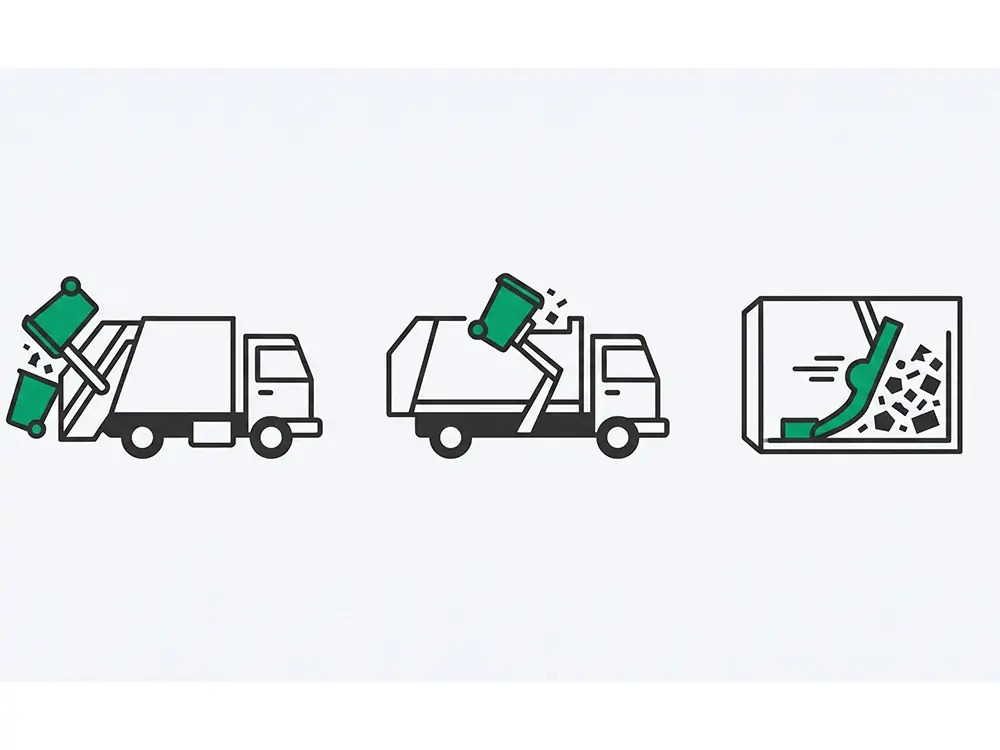
Three Loading Types, One Logic
Loading type is decided by the street before it is decided by the budget. Baiyi’s lineup published specifications:
What Actually Drives Collection Efficiency
Cleaning and collection efficiency is not a top-speed figure. For a refuse fleet it comes down to how many bins a truck collects per shift and how much of the shift is spent not collecting.
Baiyi’s rear-loaders use a scraper plate that compacts during loading, so a standard 240-litre bin volume holds 20 to 25 barrels before a transfer run. The hydraulic cycle handles clamping, lifting, dumping and compression from the rear control box or a wireless remote, which keeps the operator off the road and the truck moving.
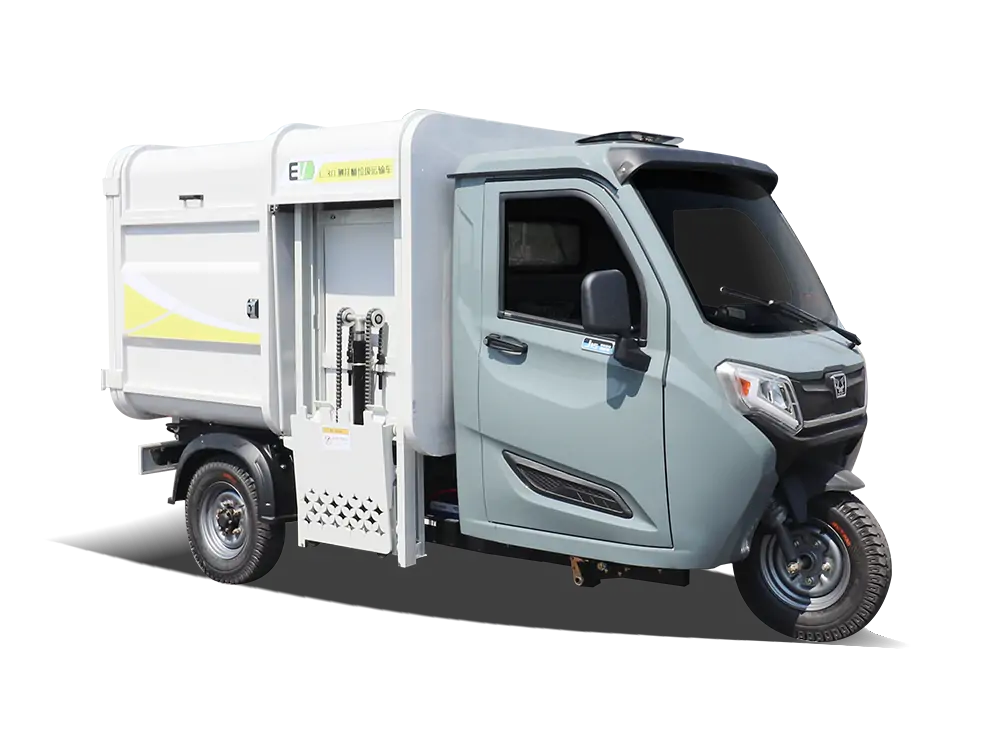
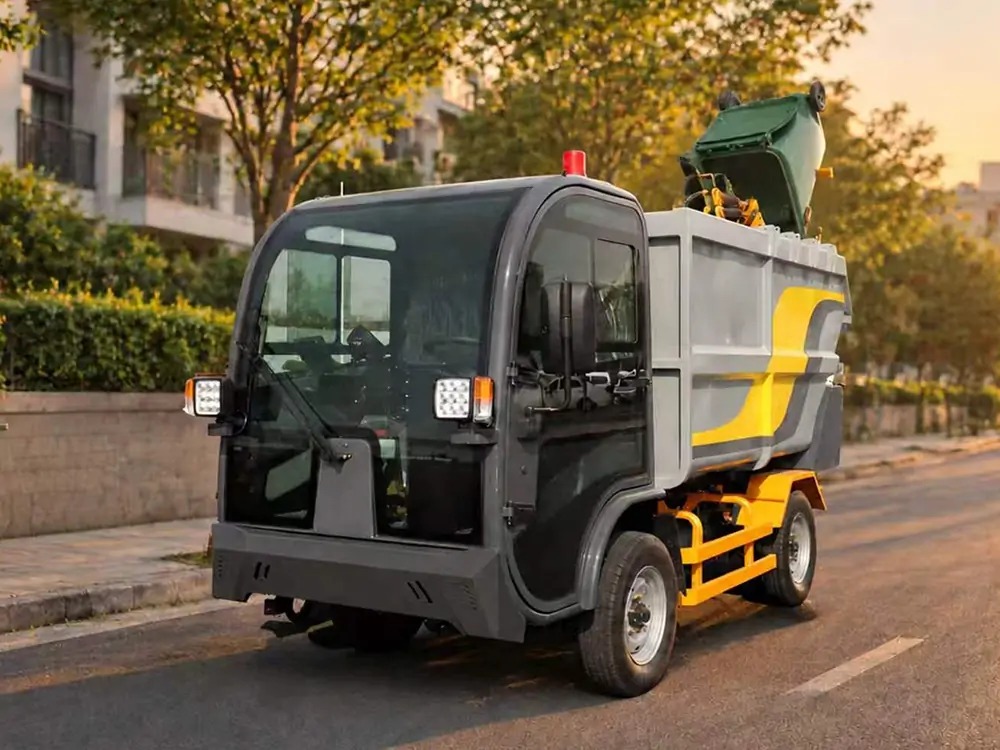
The BY-LC2000 adds a detail that matters more than any spec on the brochure: at 1.3 metres wide, it is built on a Class II light-duty electric chassis with full registration eligibility. Low-speed four-wheel electric trucks often cannot be plated or granted road right-of-way — a problem that quietly kills pilots after delivery. Automatic bin lift completes a 120 or 240-litre bin in under 20 seconds, working noise stays at or below 88 dB, and the 3.3 m³ body self-dumps at over 43° with better than 95% discharge efficiency.
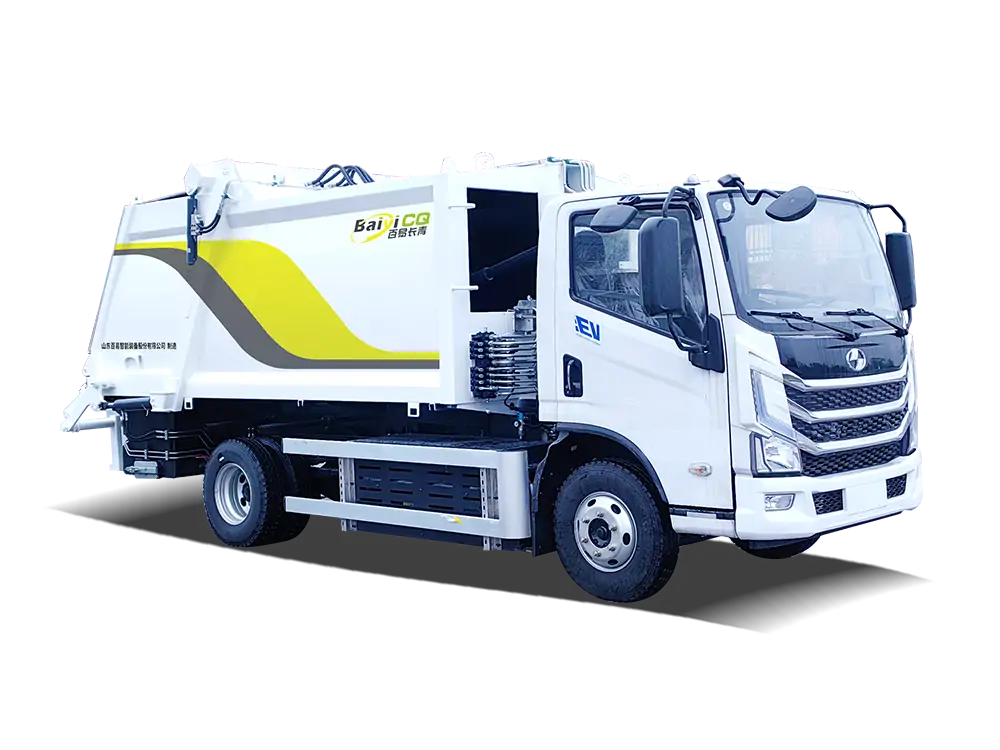
For 8 to 12-tonne municipal work, Baiyi’s 12.5-tonne battery-electric refuse truck uses a high-capacity compactor body with dual control — a ruggedised manual interface plus a wireless remote — and compaction ratios above 3:1 after the first compression stage.
The Upper End: Compression and Transfer
Above the compact vehicles, the range moves into municipal-scale compression and transfer. The BY-YS12000 compression garbage truck handles large-volume municipal work with a low-position loading mechanism, leak-free operation, high-voltage fast charging and a top speed of 89 km/h. The BY-LH4500 self-loading and unloading unit uses an integral boat-shaped body with automatic bin handling plus manual feed, rated to 100 km/h.
Both are aimed at sanitation departments and third-party operators running fixed transfer routes rather than neighbourhood collection loops.
Beyond Garbage Trucks: Seven Series
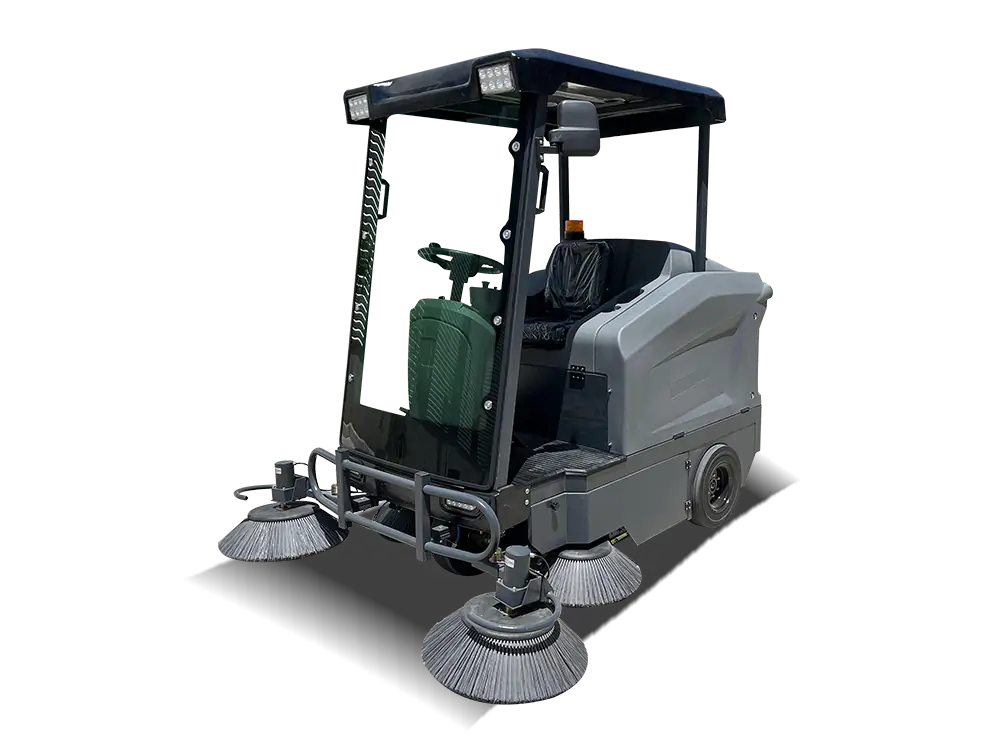
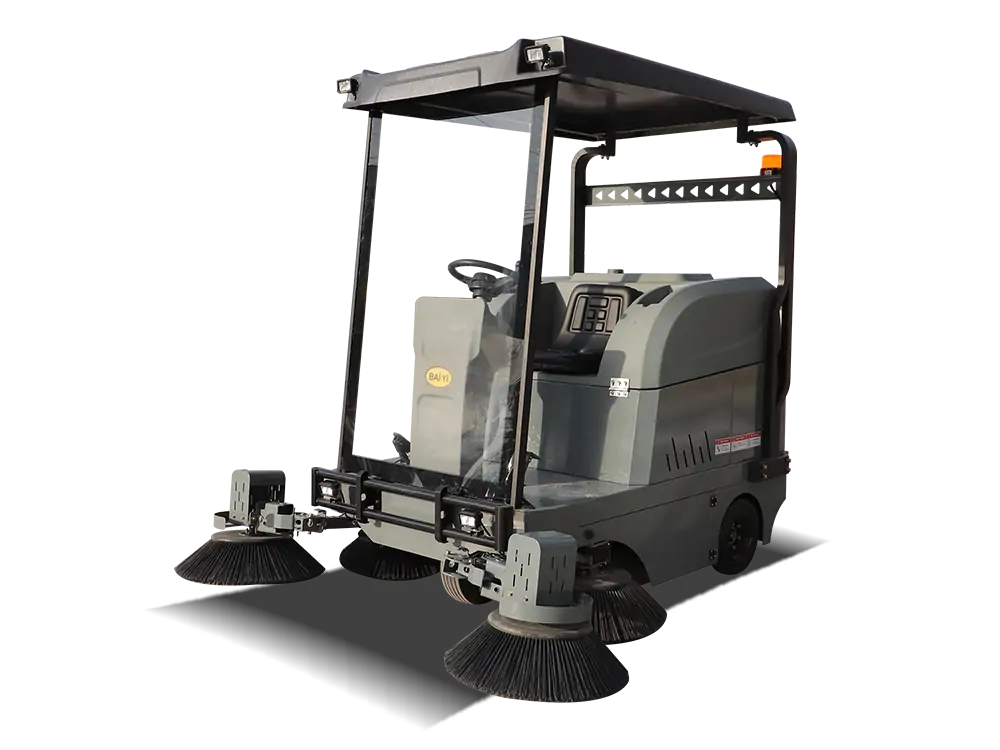
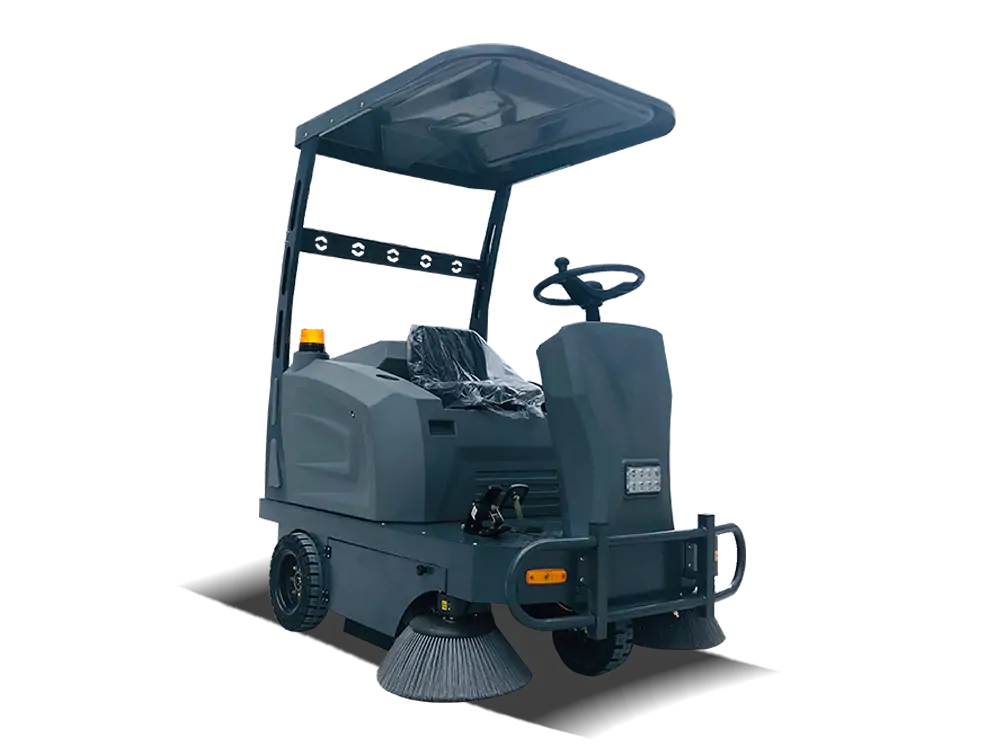
Baiyi’s product programme covers seven series and more than 40 models, all electric. Alongside refuse vehicles, the company manufactures multi-functional high-pressure road washing vehicles, EV road sweepers, deep-clean sweepers and industrial ride-on sweepers, leaf collection trucks and electric water tankers.
That breadth matters at tender stage. A sanitation department that sources collection, sweeping and washing equipment from three suppliers carries three sets of spares, three service relationships and three warranty calendars. Sourcing from one manufacturer — and one Chinese factory with a single parts chain — compresses all of it.
Manufacturing, Testing and Who Actually Builds It
Baiyi was founded in 2015 and operates from a production base in Changqing District, Jinan, Shandong. The company holds National High-Tech Enterprise status along with the Ministry of Industry and Information Technology qualification for manufacturing new energy special vehicles — the licence that makes a vehicle legally saleable as a special-purpose EV, not a converted cart.
Every unit passes more than 60 functional tests before release, covering hydraulic cycling, braking, electrical load and drive performance. Factory-direct supply removes the distributor layer, and a 12-month warranty covers replacement parts.
Export Record and Service Reality
Baiyi equipment runs in more than 50 countries. Recent delivery records include electric garbage trucks handed over to Hue in Vietnam for municipal collection — among the first electric refuse vehicles in Vietnamese municipal service — alongside recurring shipments to Southeast Asia, the Middle East, Africa and Europe.
For a procurement manager, that record answers the question a catalogue cannot: whether the manufacturer can ship, clear customs, and support a vehicle 8,000 km from Jinan.
Choosing Between Them
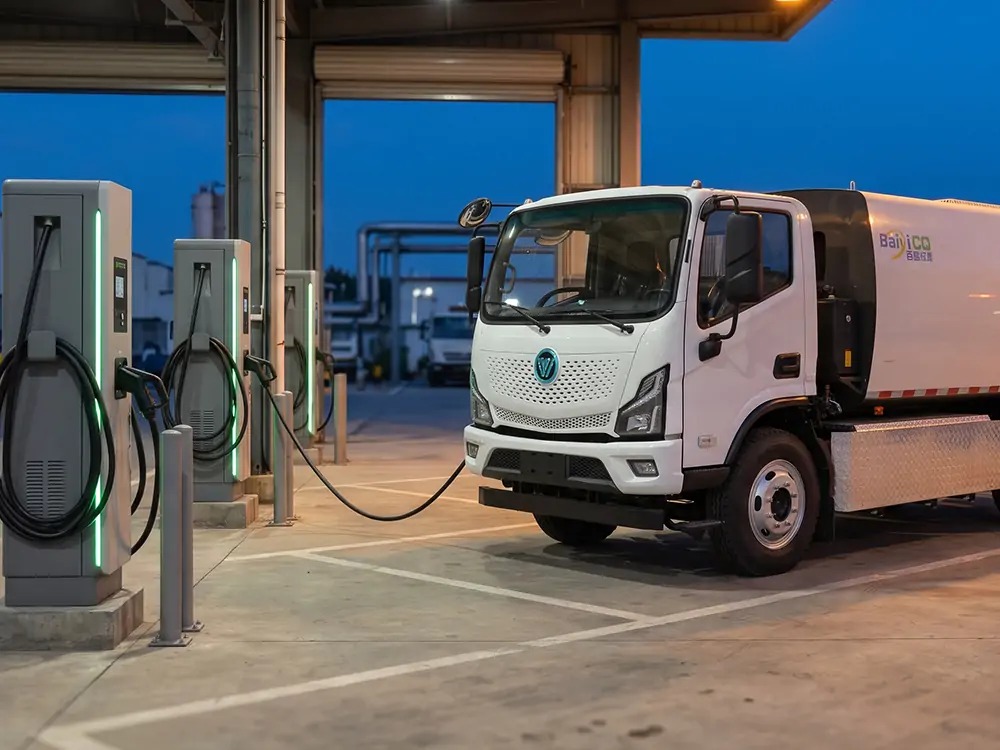
The selection logic is three questions, in order. How wide is the narrowest street on the route? What is the waste volume per collection cycle? Does the truck return to a depot with overnight charging, or run two shifts?
Answer those three, and the model selects itself.
Contact Shandong Baiyi Intelligent Equipment for a configuration review and factory-direct quotation. Send route width, estimated daily waste volume and bin standard, and the technical team will respond with a matched model and specification sheet.