


















Training
Precautions for Using Three-Wheeled Electric Garbage Trucks(2025 Updated Guide)
Precautions for Using Three-Wheeled Electric Garbage Trucks(2025 Updated Guide)
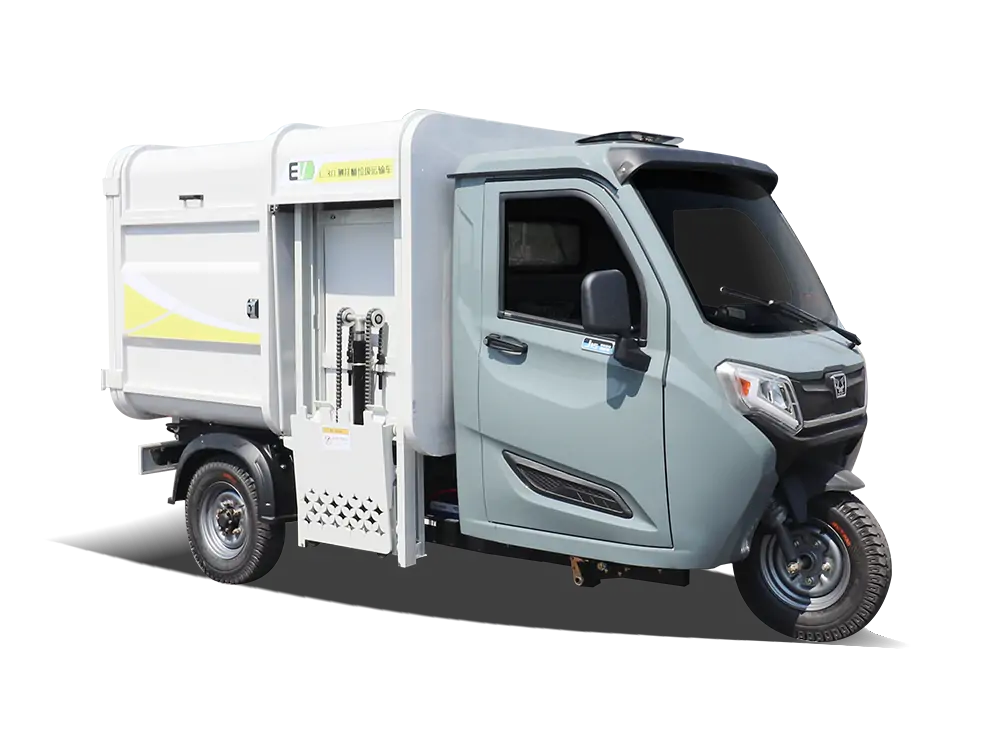
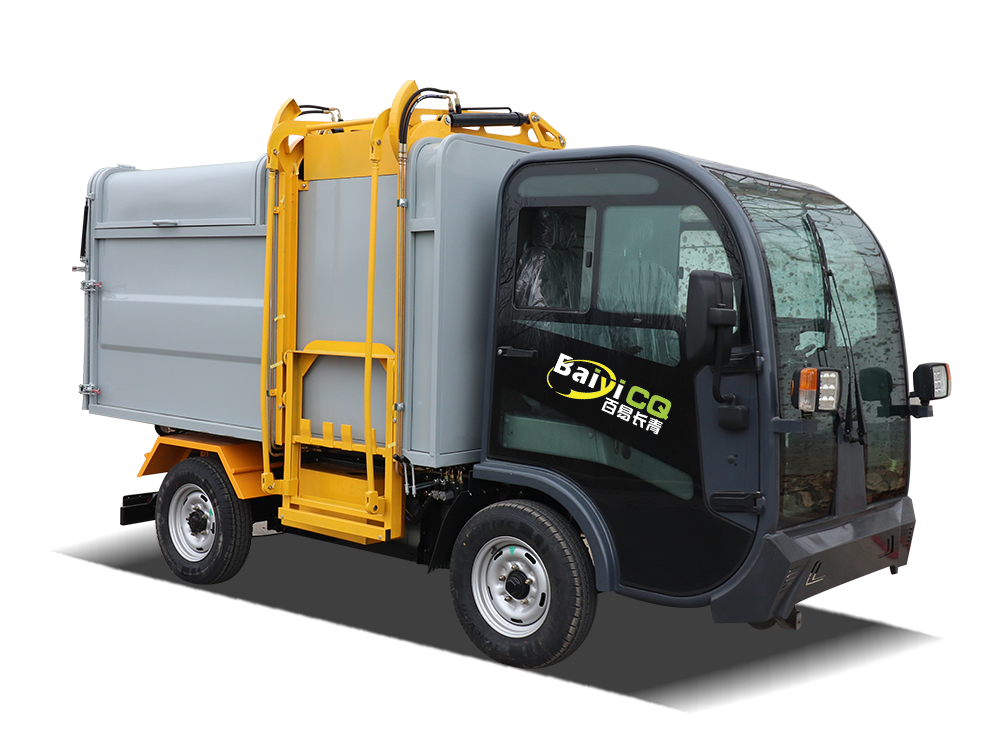
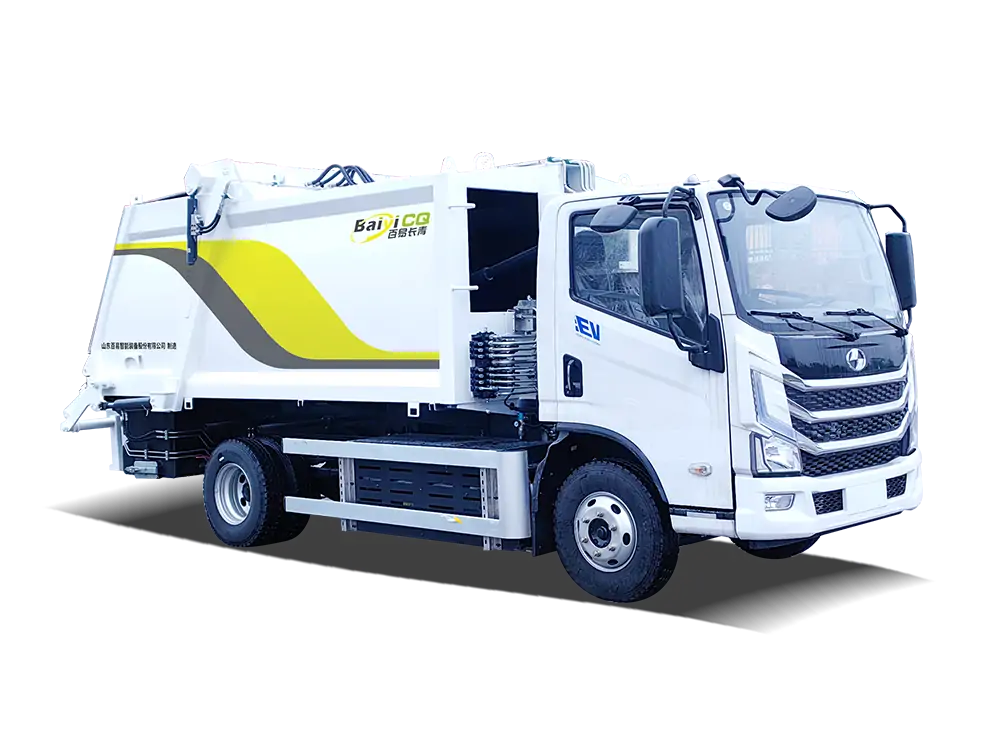
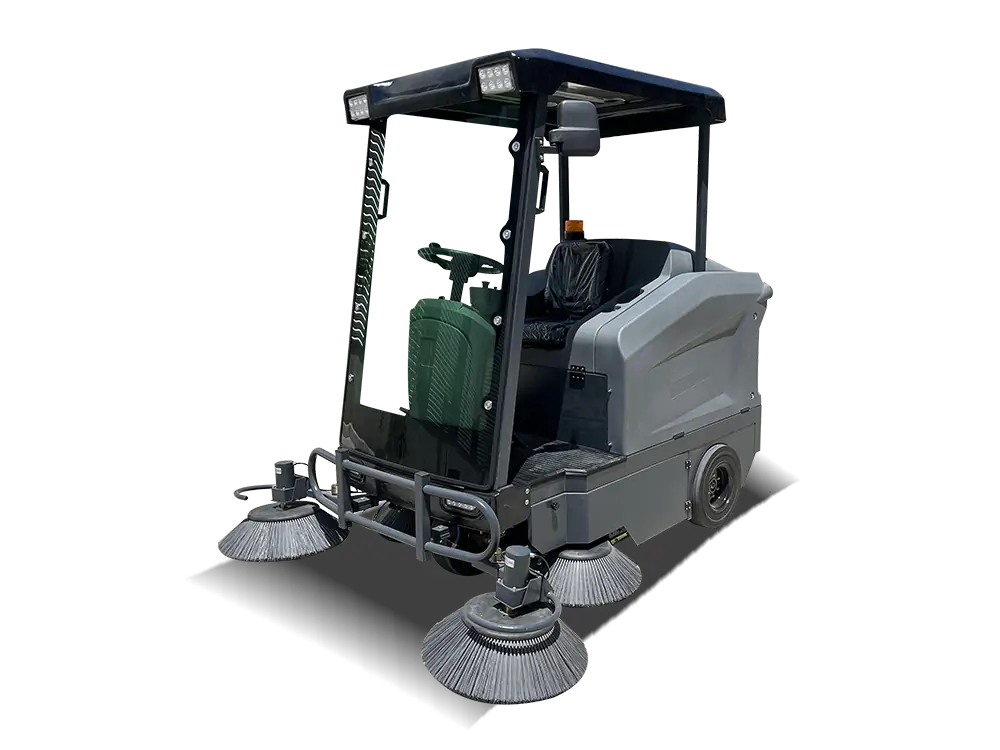
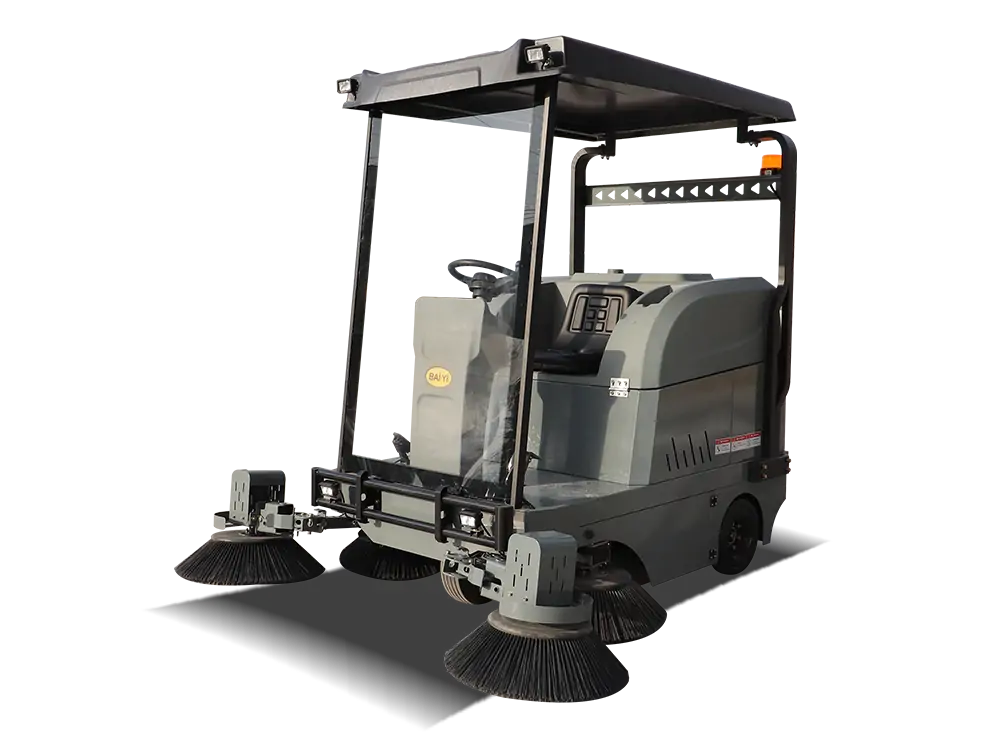
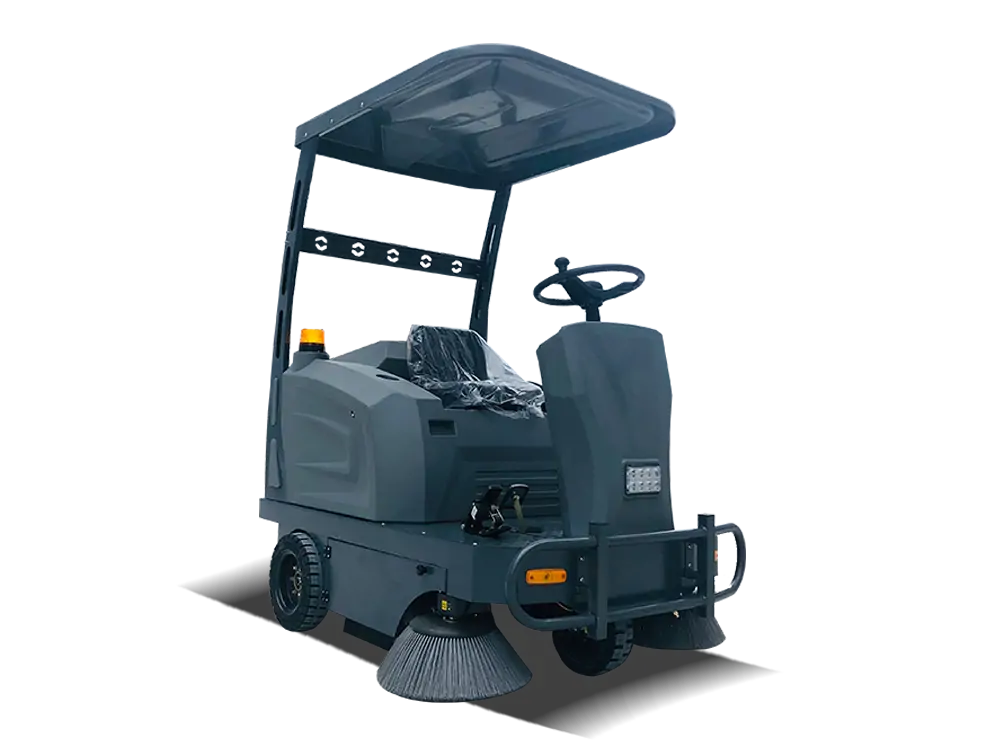
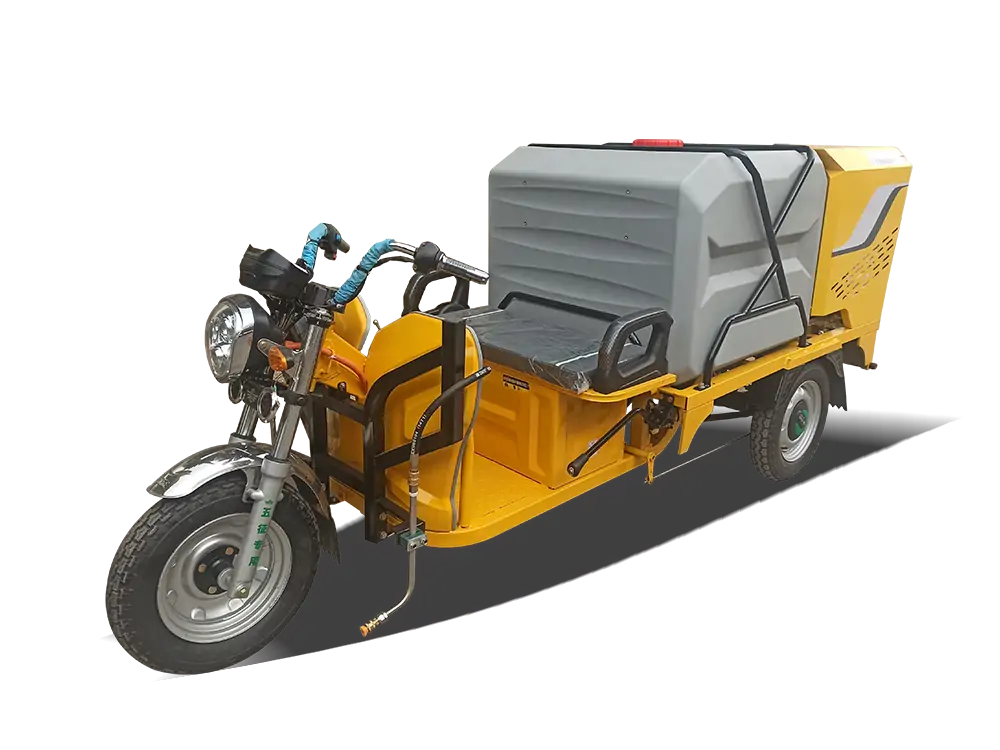
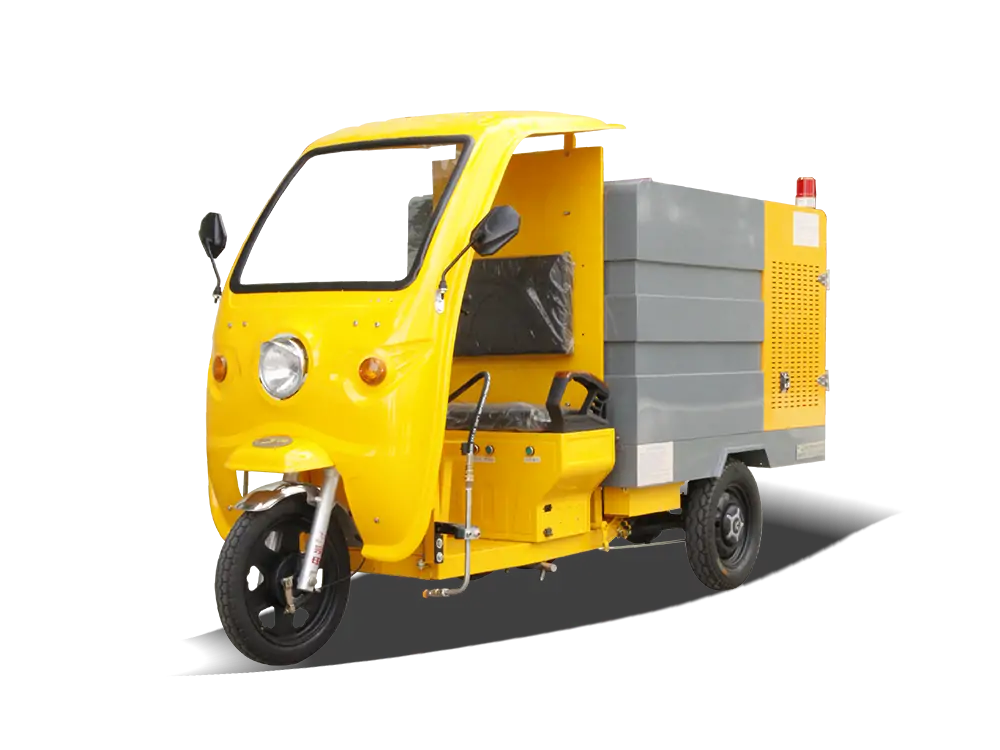
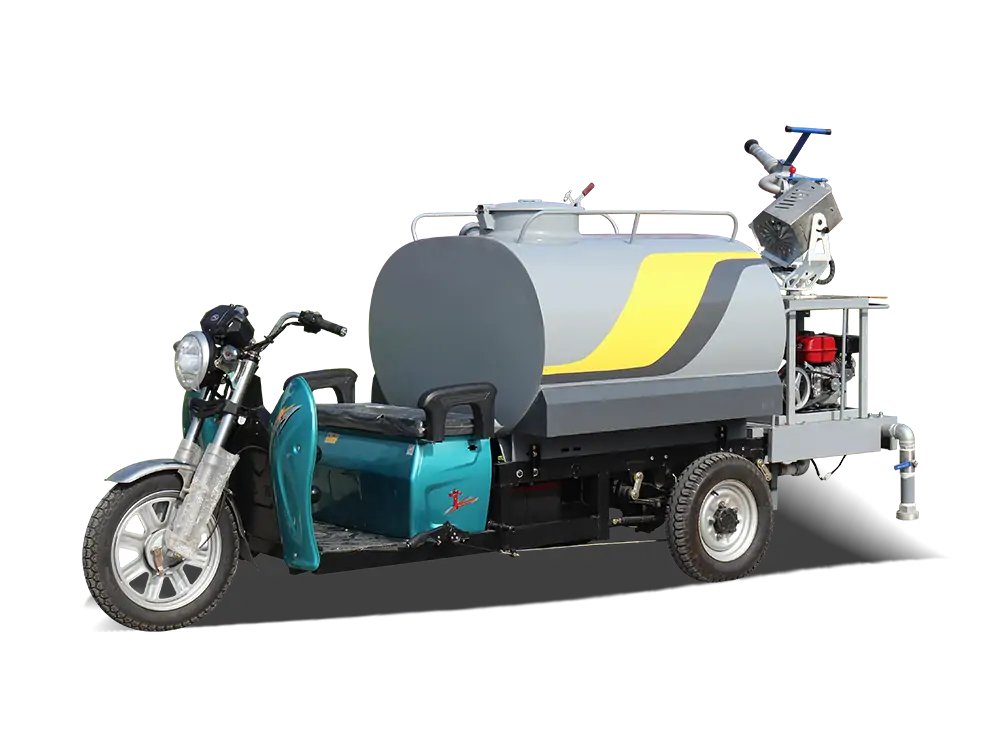
Three-wheeled electric garbage trucks are widely used in urban sanitation due to their energy-saving performance, environmental protection advantages, low operating cost, and high mobility. They allow sanitation workers to collect waste anytime and anywhere, making them an essential tool for daily cleaning tasks.
To ensure safe operation and extend the service life of the vehicle, the following usage precautions should be carefully observed.
1. Tire Maintenance: Keep Proper Tire Pressure
Never intentionally reduce the tire pressure when using a three-wheeled electric garbage truck.
Low tire pressure can lead to poor handling, increased wear, and higher risks during operation.
-
Regularly inspect tires for nails, punctures, cracks, and aging of valve rubber.
-
Replace damaged tires promptly to avoid operational accidents.
2. Safety Operation on Slopes
When crossing steep slopes or wide motor lanes (more than four lanes), always ensure full control of the vehicle.
-
If the brake fails or the slope is too steep, stop immediately and push the vehicle manually.
-
Avoid forced driving downhill to prevent rollover or brake loss accidents.
.jpg)
3. Battery Box Inspection
The battery system is the core power source for electric garbage trucks.
-
Frequently check whether the battery box has corrosion, loose connections, or any welding problems.
-
Keep the battery dry and clean to extend its lifespan and maintain stable performance.
4. Avoid Vehicle Pulling or Towing
Three-wheeled electric garbage trucks are not designed for towing or being towed.
-
Do not use the truck to pull other vehicles.
-
Do not allow other vehicles to drag it, as this may damage the motor, wheels, or chassis structure.