
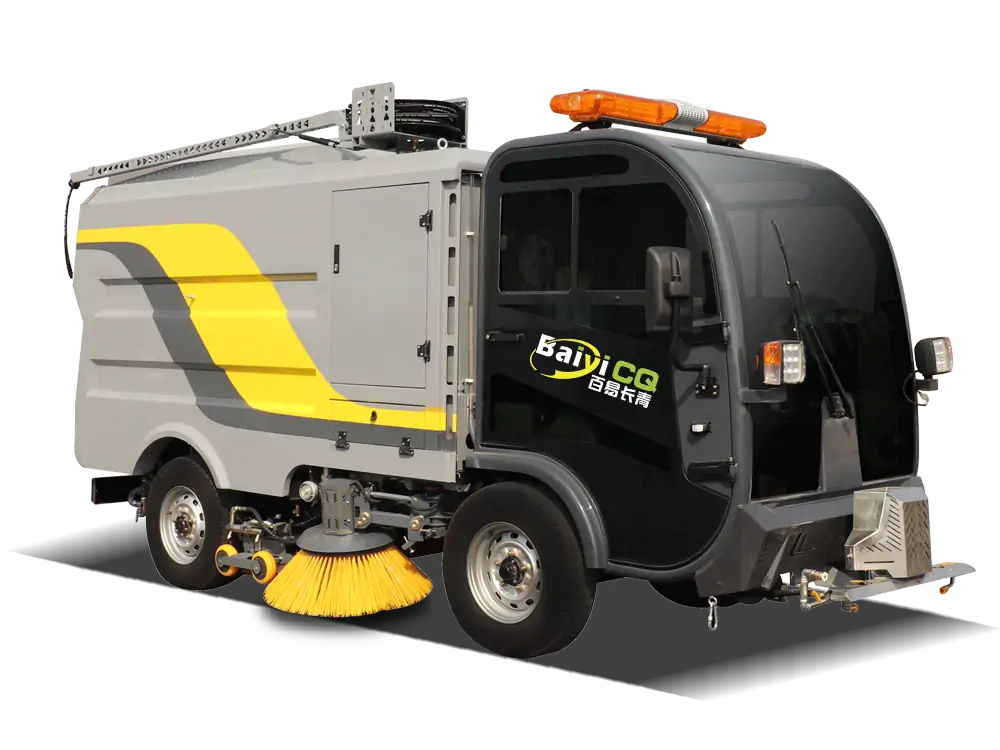


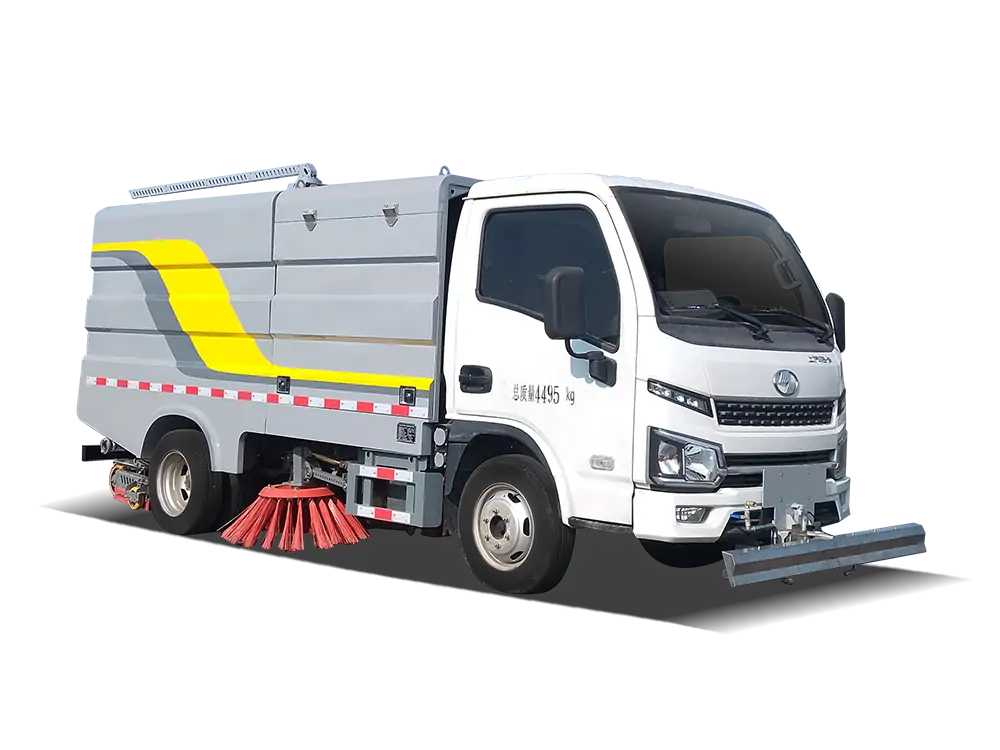








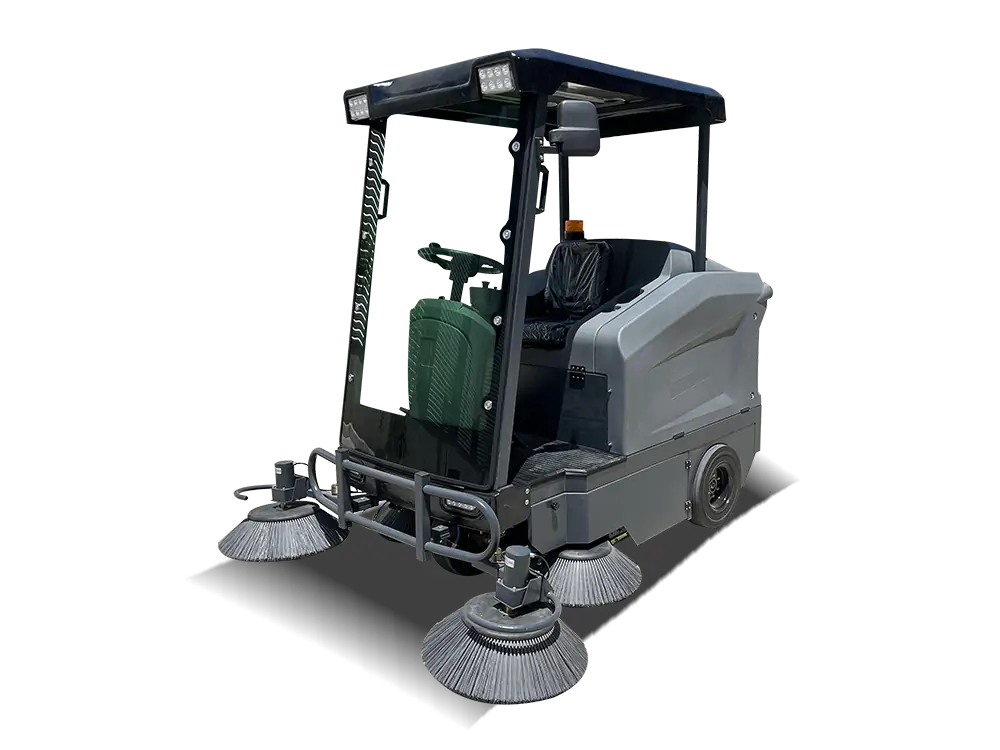
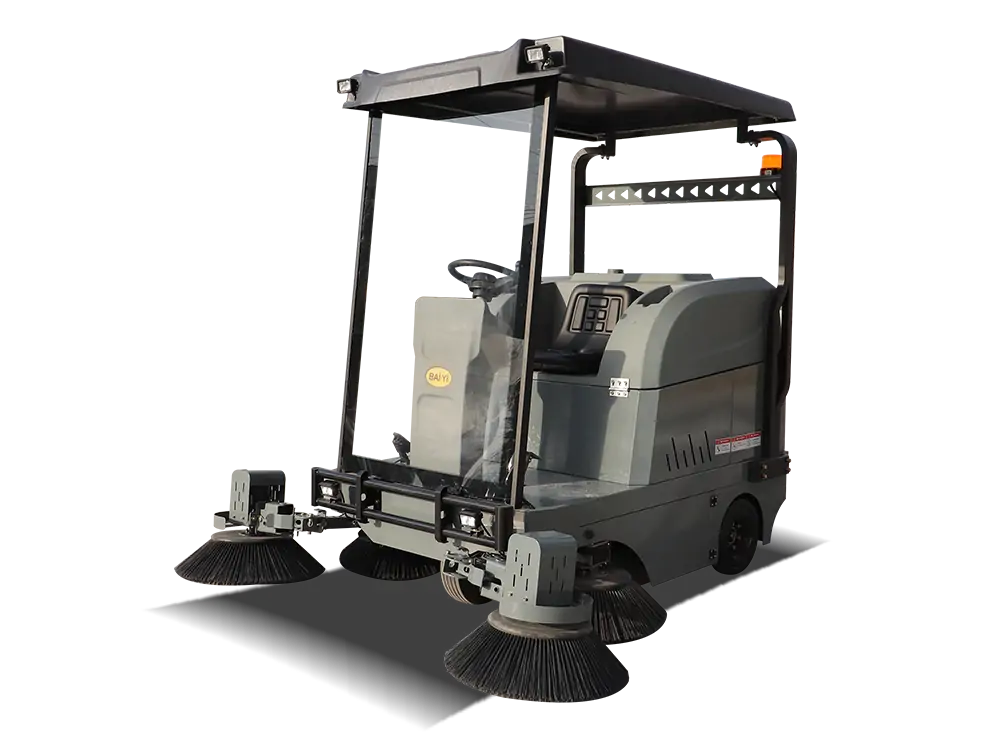
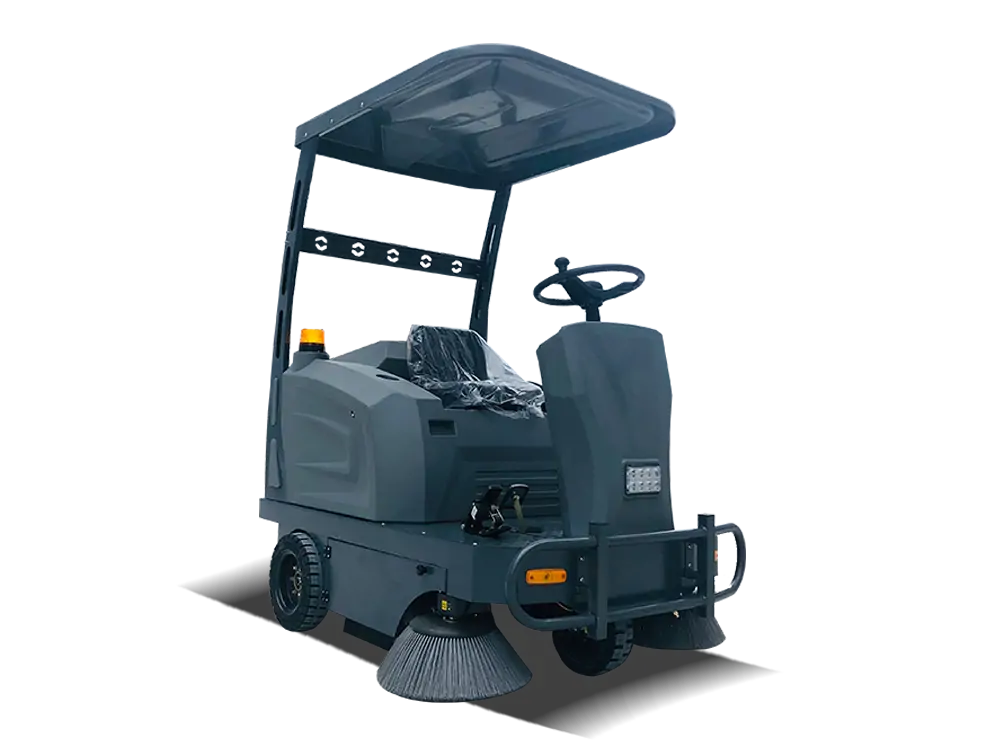

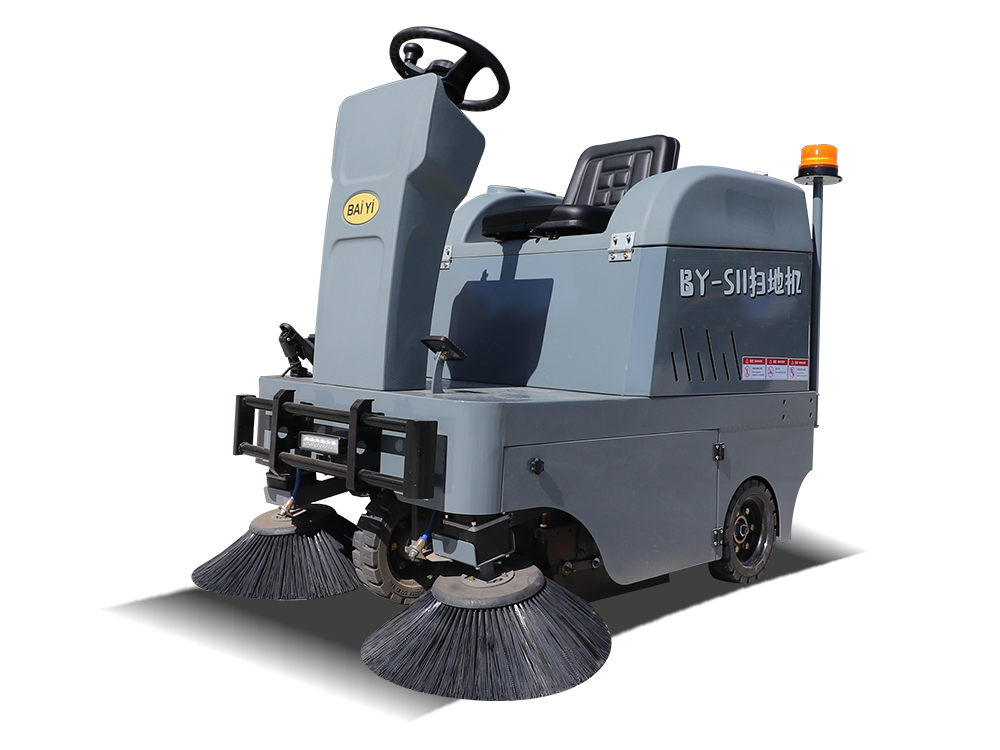


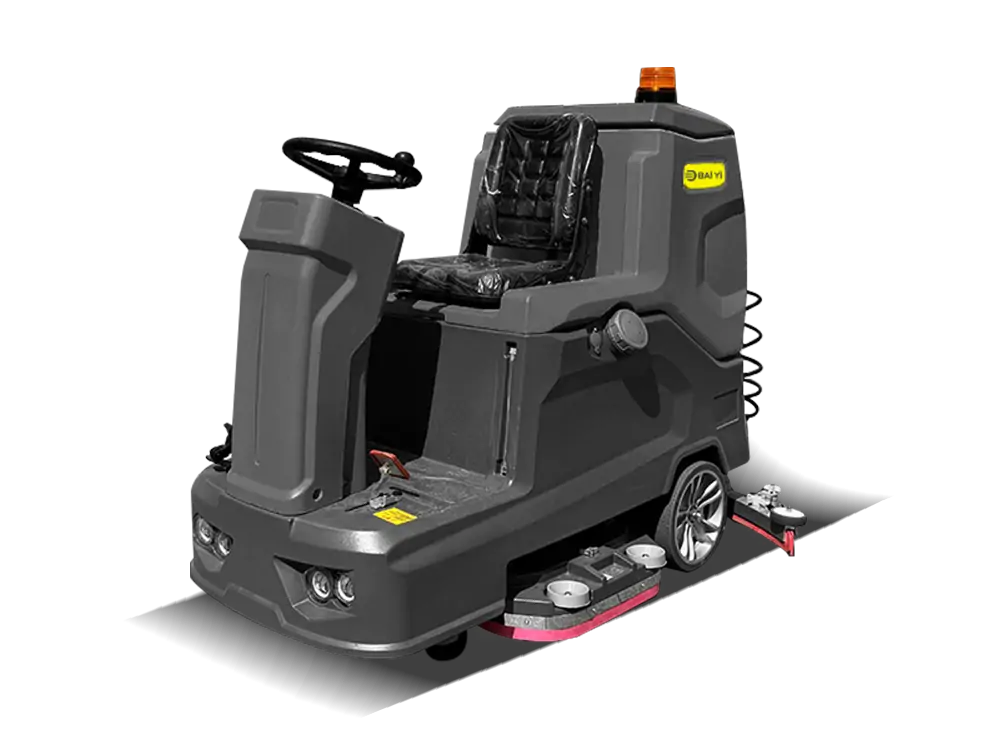
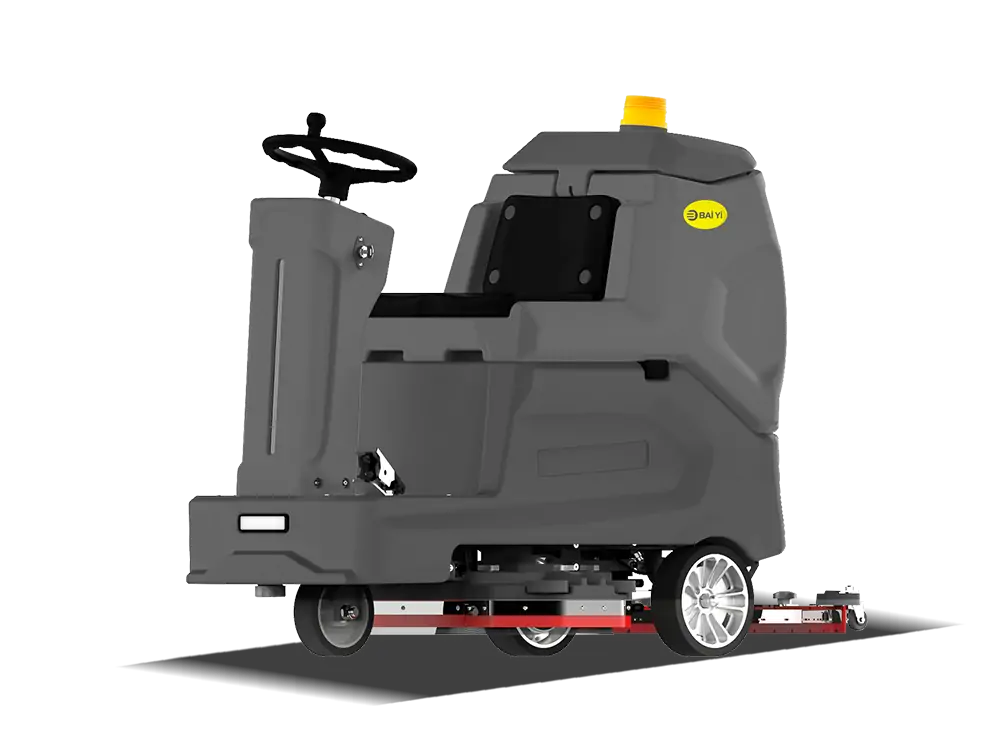
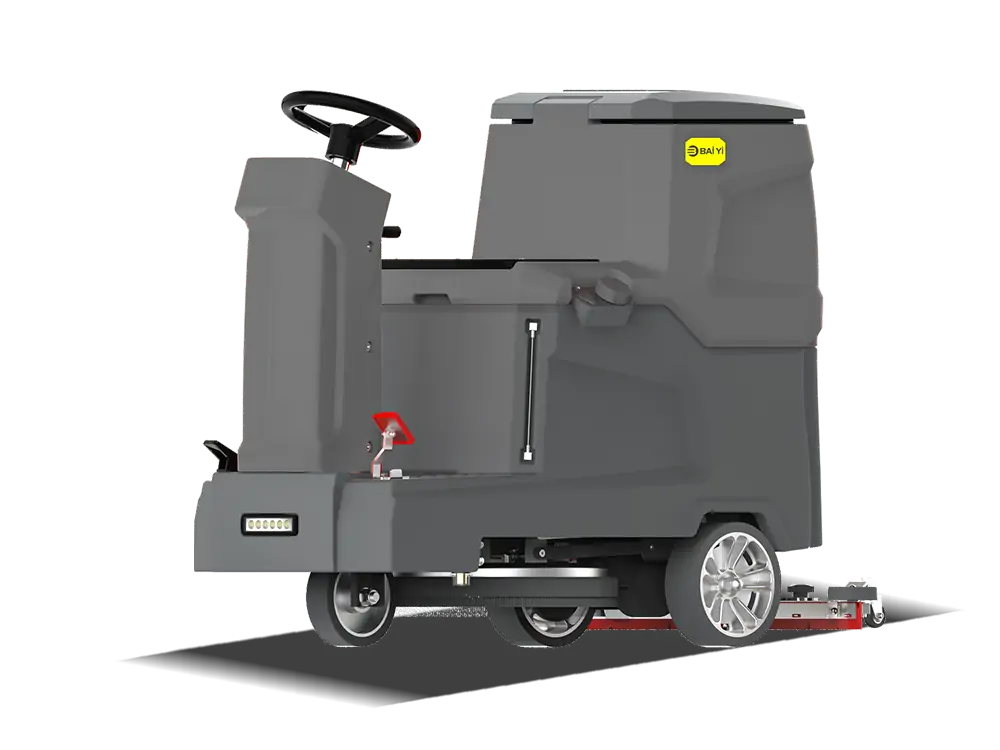
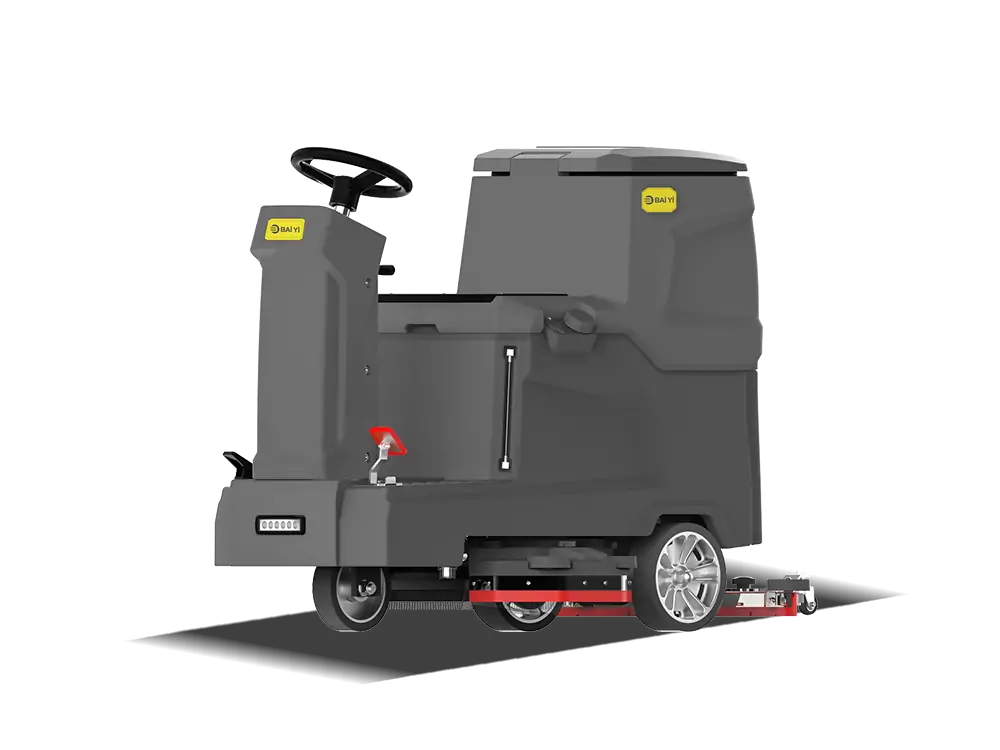

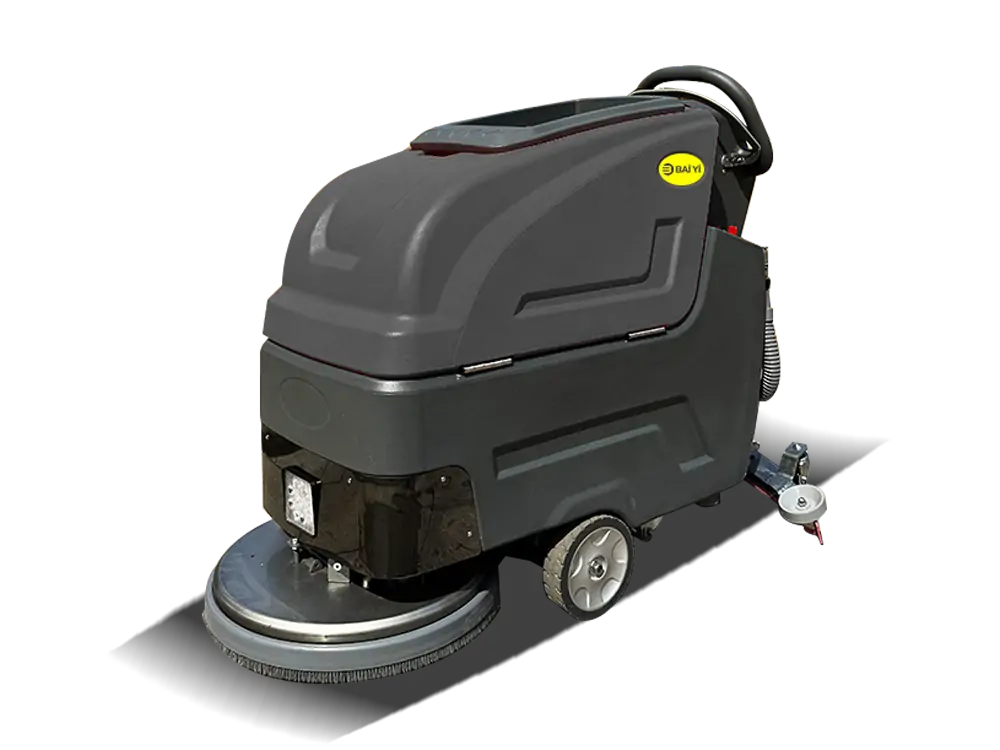
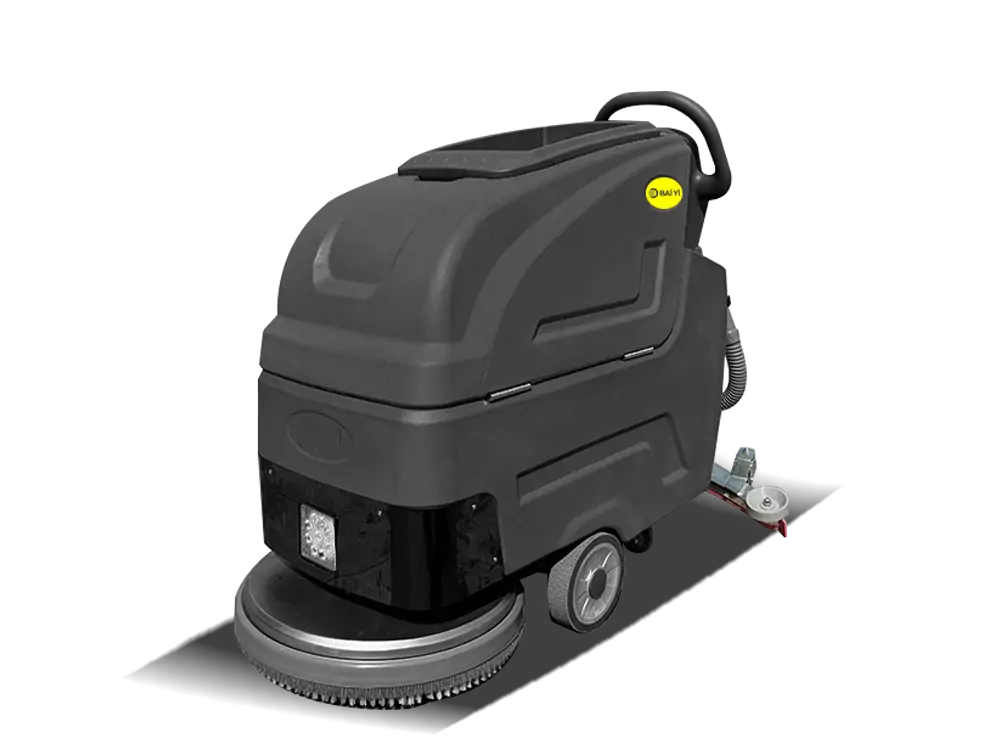
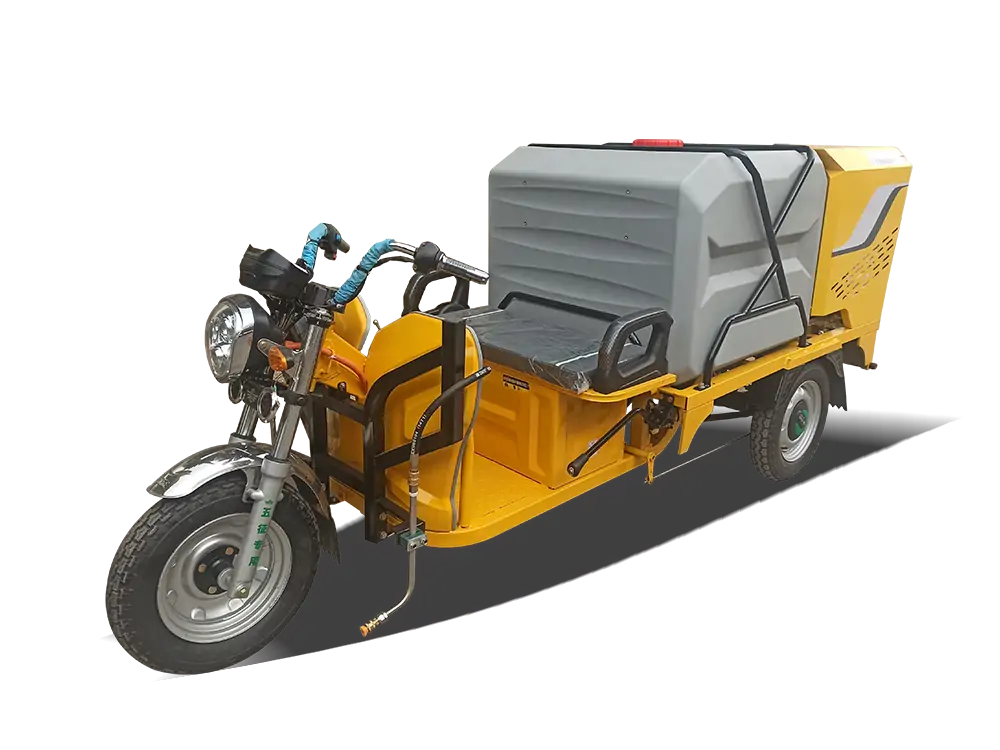
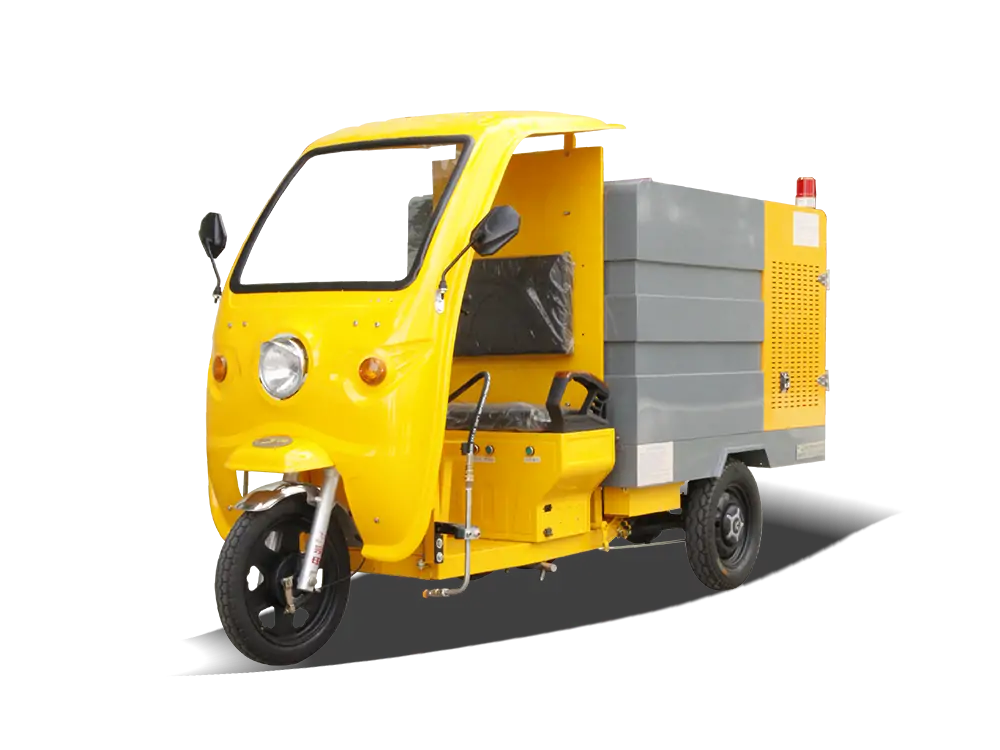
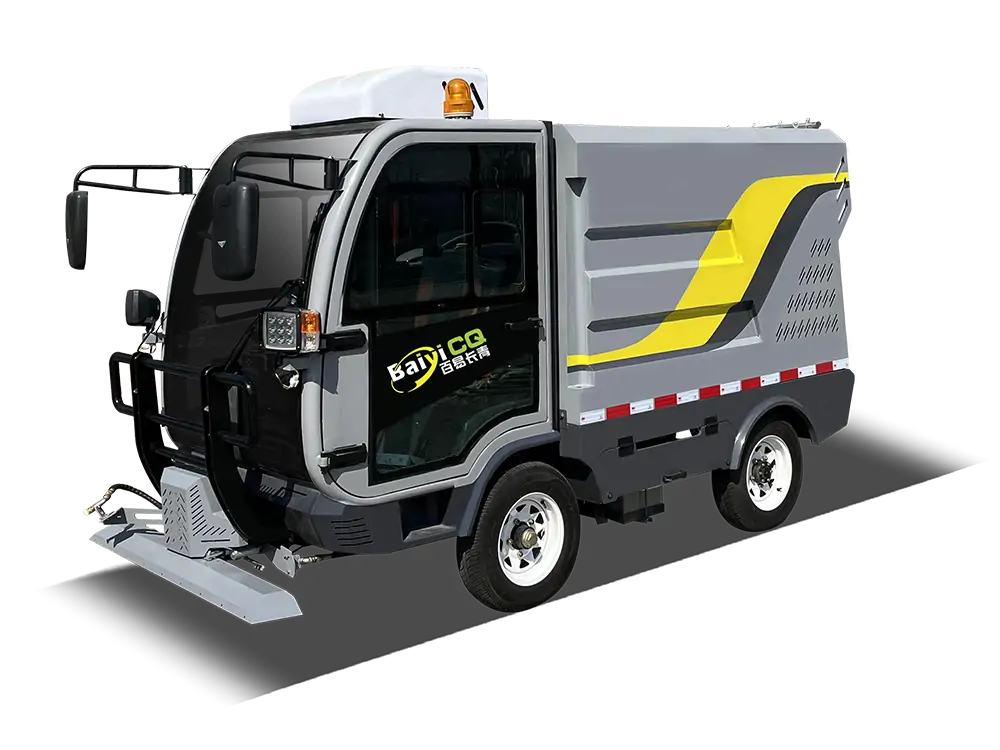
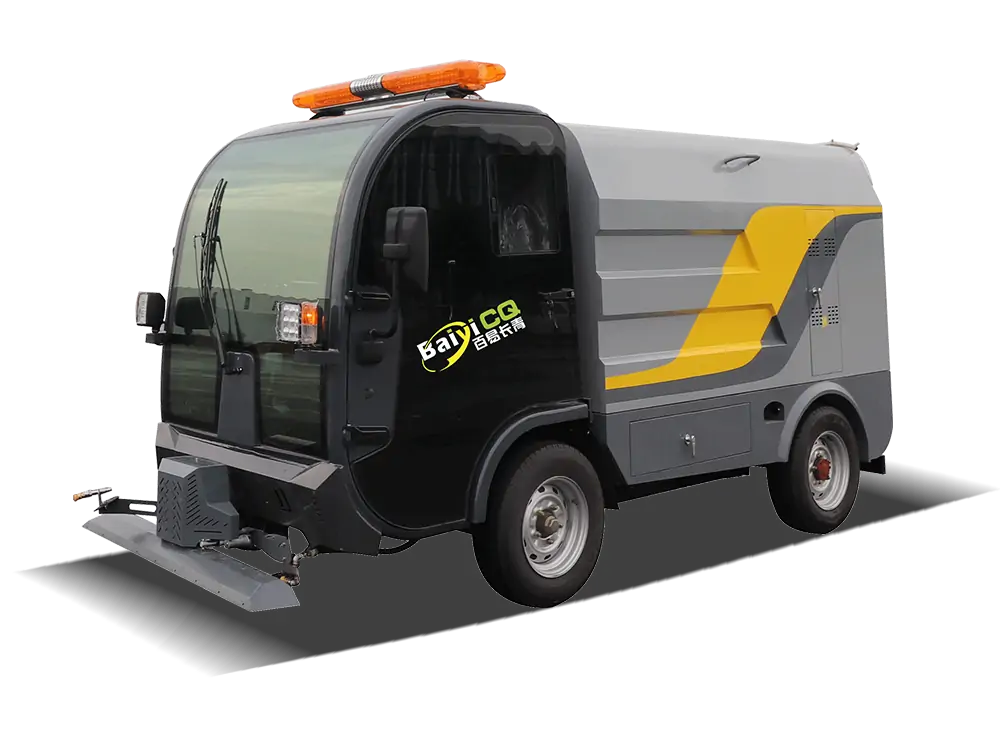

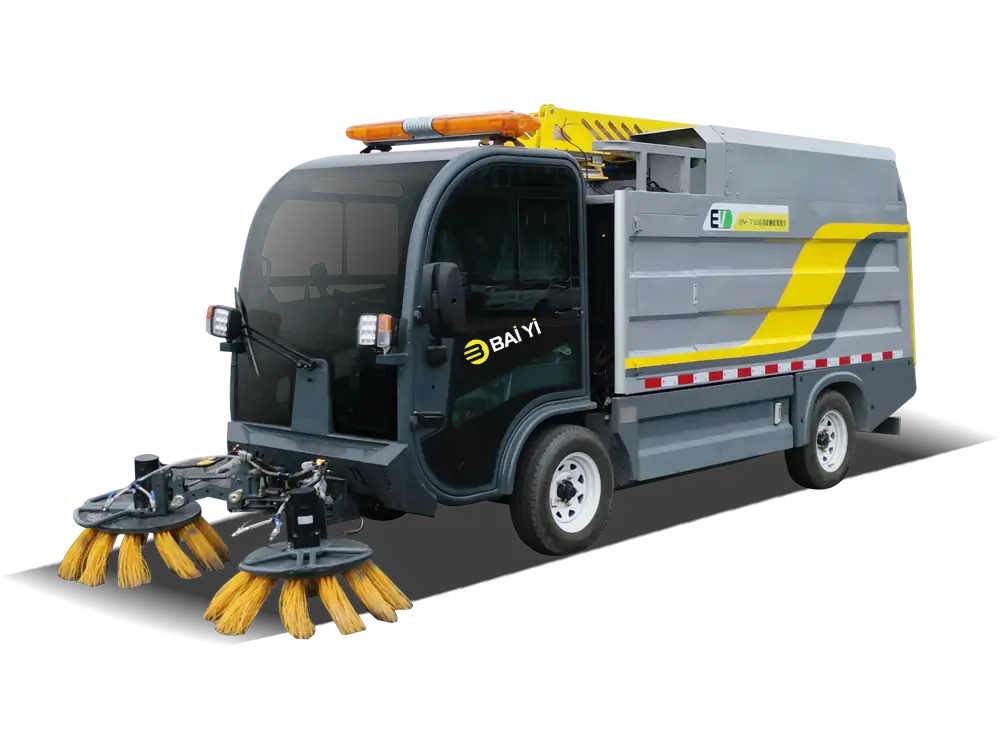
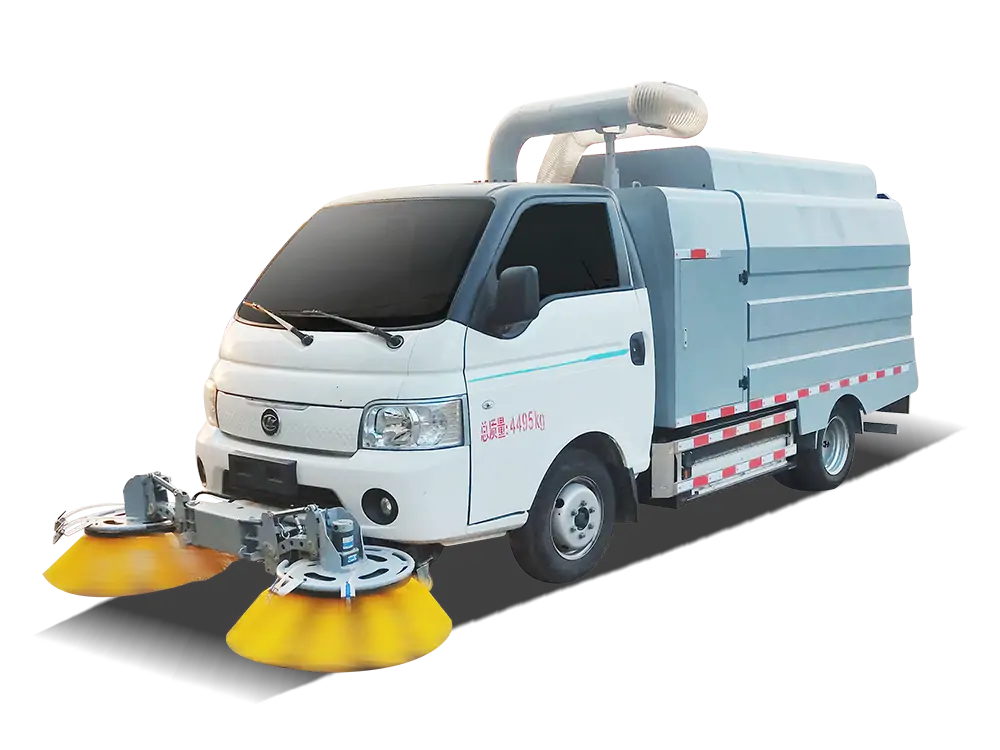



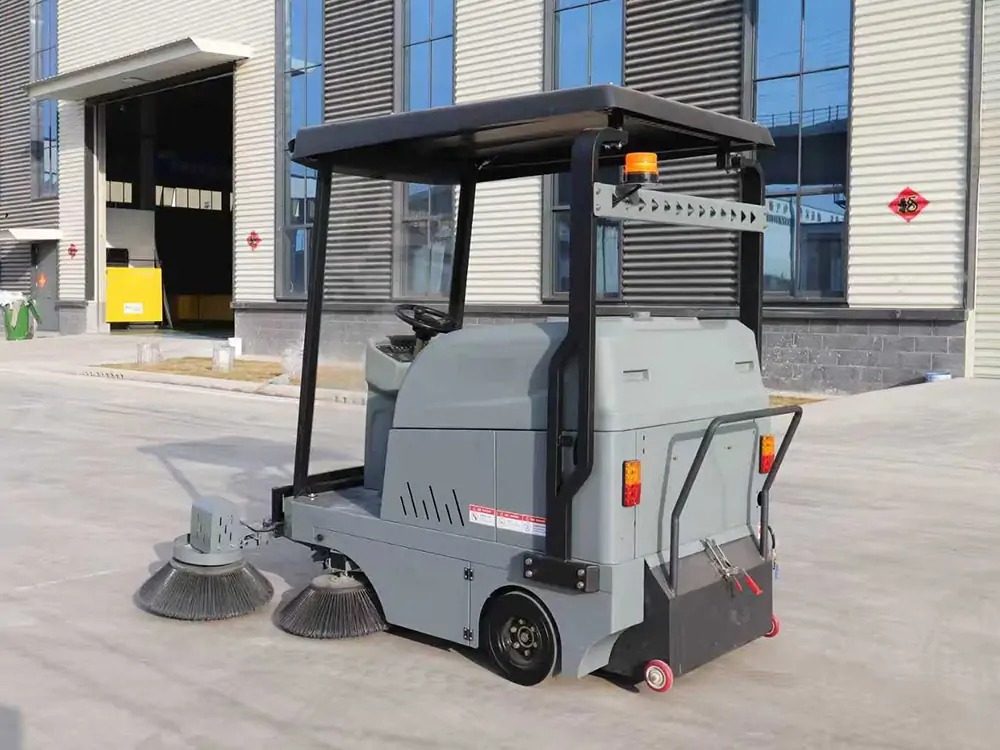
Correct operation of a small electric floor sweeper not only extends the machine’s lifespan but also significantly improves cleaning efficiency and productivity. For logistics managers, industrial cleaning supervisors, and operators, understanding the correct operating procedures and safety precautions is essential to achieving optimal cleaning results.
Pre-Operation Inspection
Before starting the ride-on floor sweeper, it’s important to perform a thorough check to ensure safe and efficient operation:
-
Walk around the sweeper and check whether the brushes are free from tangled debris.
-
Test the brakes to ensure proper function.
-
Verify that the battery is fully charged.
-
Make sure all warning lights are intact and functioning.
Once inspection is complete, sit in the driver’s seat, adjust your position for comfort, and place your feet on the accelerator and brake pedals.

Step-by-Step Operating Procedure
-
Start the machine – Insert the key and turn it to activate the main power.
-
Engage sweeping and water systems – Press the sweep and water spray buttons.
-
Begin operation – Gently press the accelerator pedal to move forward. Adjust the steering wheel as needed to navigate flexibly around the area.
-
Control speed – Depending on the surface and debris level, operate the sweeper at a moderate speed for best cleaning performance.
-
Finish sweeping – After cleaning, press the sweep and water spray buttons again to stop the brushes, turn off the power, and bring the machine to a complete stop.
-
Empty the dustbin – Press the garbage release button to dump collected dust, leaves, and stones. Use a broom or small brush to remove residual debris.
-
Clean the brushes – Remove any entangled materials such as wires, ropes, or plastic from the brushes.
-
Recharge safely – When the battery is low, park the sweeper in a dry, well-ventilated place and connect it to the charger.
Important Safety Precautions
To ensure safe and efficient operation of your industrial floor sweeper, follow these guidelines:
-
Avoid sudden braking or abrupt stops to reduce wear on the brake system.
-
Be cautious of large objects or obstacles that cannot be swept—avoid forcing the sweeper over them to prevent motor damage.
-
When refilling the water tank, ensure no water enters the machine housing, as it may damage electrical circuits and components.
-
Regularly clean the dust filter screen, especially when operating in dusty environments.
-
Do not drive the sweeper into puddles, shallow holes, or muddy areas to avoid water or mud entering the motor.

Recommended Use and Applications
Small electric floor sweepers are ideal for use in:
-
Factories and warehouses
-
Logistics centers
-
Shopping malls
-
Airports and stations
-
Parking lots and schools
They are efficient, environmentally friendly, and perfect for daily floor cleaning in industrial and commercial environments.
Conclusion
Proper operation and maintenance of a small electric floor sweeper ensure long-term reliability, safety, and optimal cleaning results. By following the standard operating procedures and safety precautions above, cleaning teams can maximize the value of their ride-on sweeper investment while keeping work environments spotless and dust-free.