


















News, Product News
How to Choose the Right Electric Road Washer and Sweeper for Municipal Roads
For municipal procurement managers and sanitation supervisors, choosing the right electric road washer and sweeper is not simply about buying a piece of equipment. It is about selecting a long-term, reliable, and scalable operating solution for the city’s road cleaning system. As requirements for low emissions, low noise, and high operating efficiency continue to rise, the criteria for selecting municipal sanitation equipment are also changing. In the past, the main question was whether a machine could clean the road. Today, the focus is more on whether it matches the road conditions, whether it can sustain continuous operation, whether maintenance costs are manageable, and whether it can be easily integrated into a unified fleet management system.
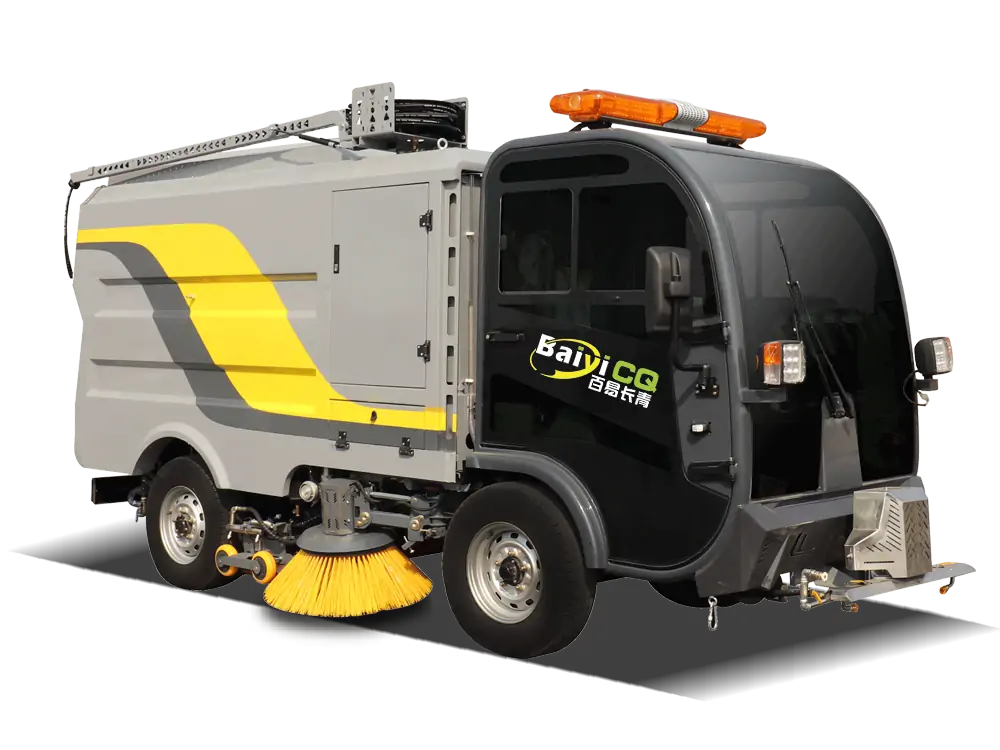
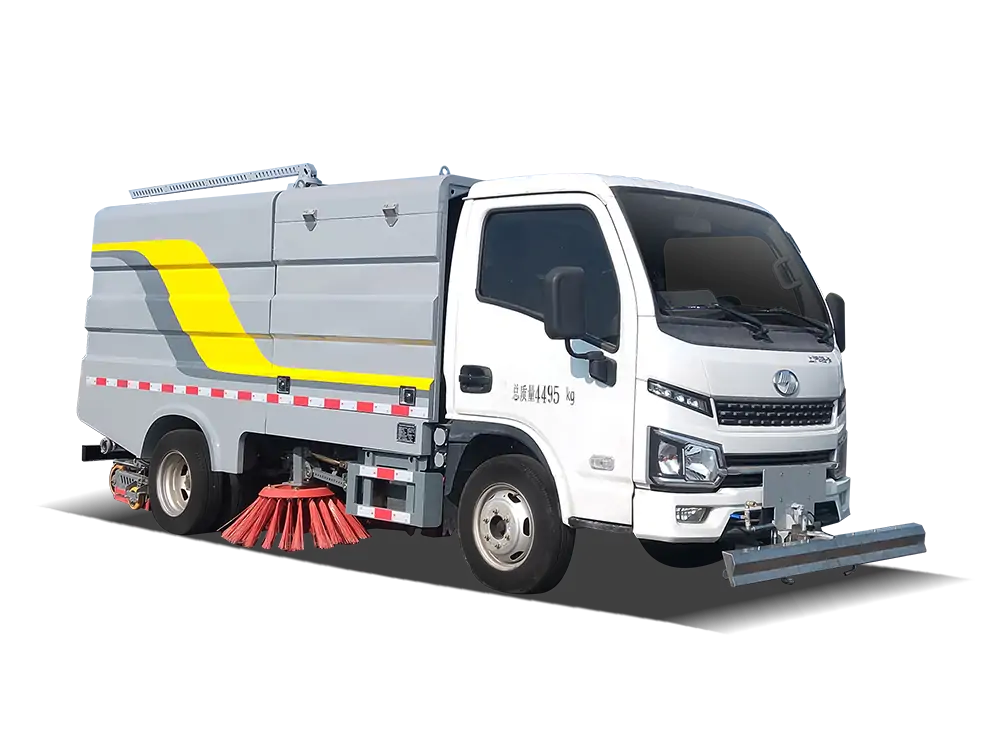
A truly effective procurement strategy should not rely on one vehicle model for every road type. Instead, it should build a layered equipment portfolio based on road network structure, shift planning, and cleaning intensity. In Baiyi‘s product lineup, the BY-CS60, BY-S50, BY-CS12000, and BY-CS18000 correspond to different municipal cleaning scenarios and can cover multiple levels of application, from sidewalks and back streets to urban secondary roads, main roads, and expressways.
Matching Vehicle Size to Road Type Is the Key to Efficient Procurement
Urban roads are not a single operating scenario. Sidewalks, bicycle lanes, back streets, community roads, park roads, secondary roads, arterial roads, and expressways differ significantly in width, accessibility, debris load, traffic pressure, and operating rhythm. If procurement decisions are based on only one vehicle class, the result is often inefficient: small vehicles cannot handle main roads, while large vehicles cannot access narrow streets.
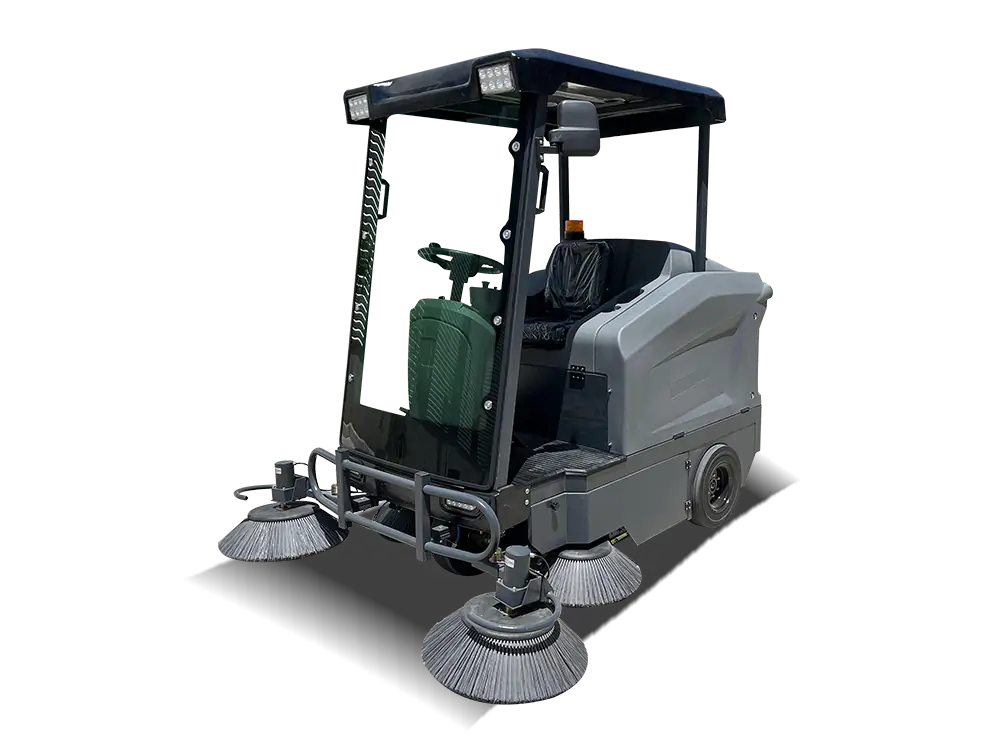
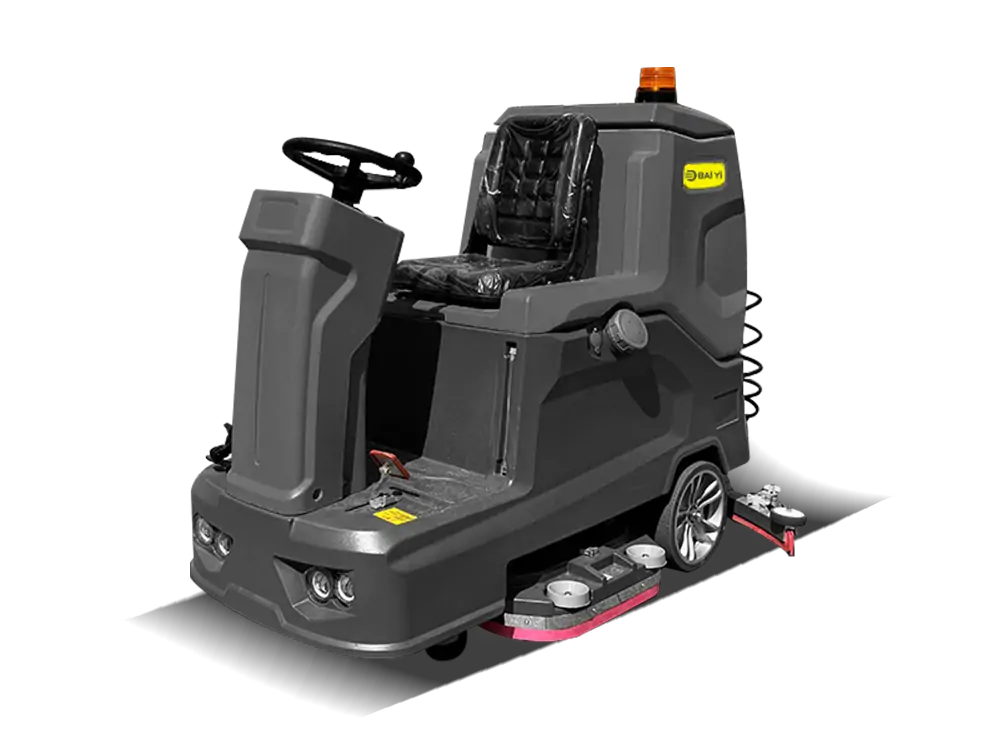
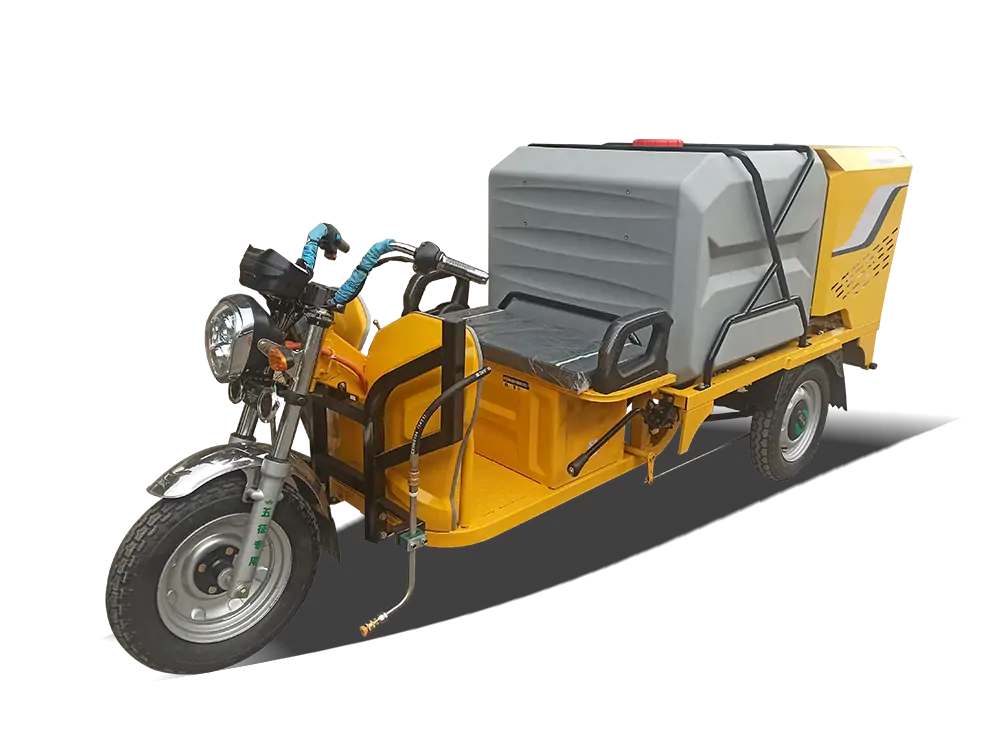
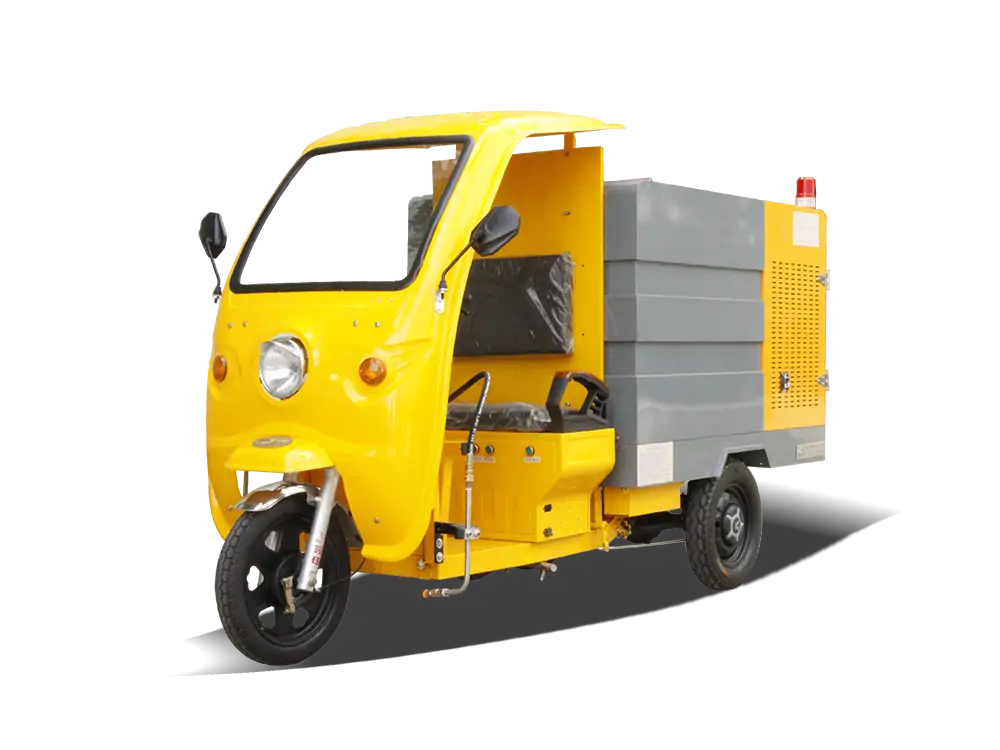
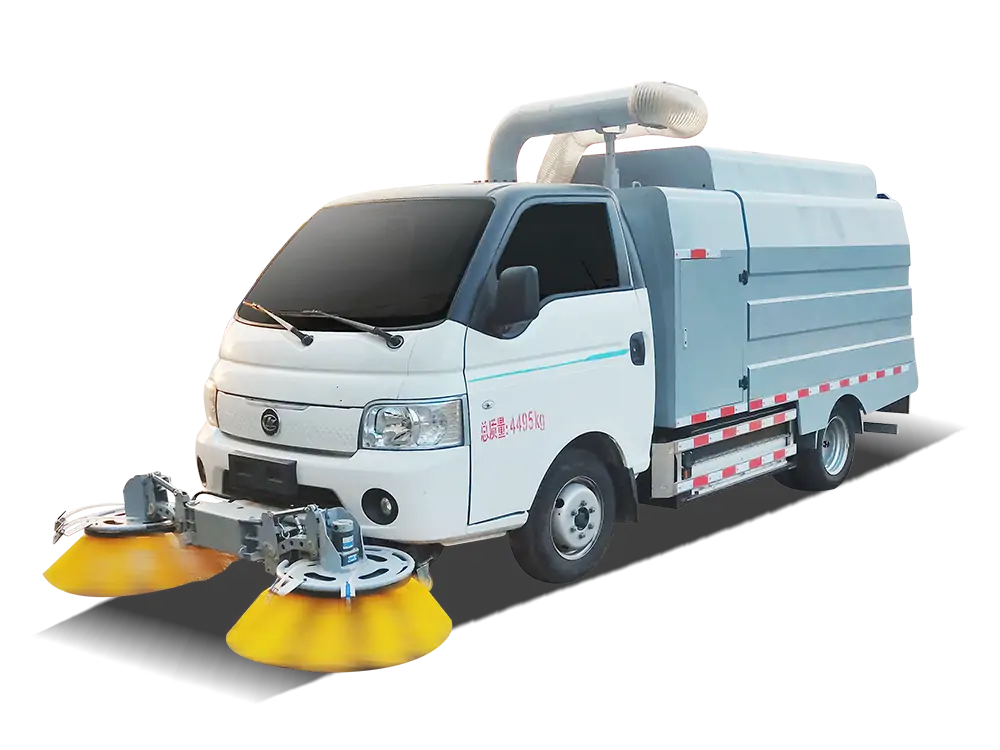
For sidewalks, back streets, bicycle lanes, and other narrow areas that require refined cleaning, the BY-CS60 is a more suitable compact washer-sweeper solution. According to the official specifications, the BY-CS60 measures 4450 × 1450 × 2150 mm, has a wash-and-sweep width of 2.3 m, and delivers a cleaning capacity of up to 20,000 m²/h, with a cleaning rate of at least 97%. The vehicle uses a mid-mounted suction nozzle with negative-pressure washing and sweeping, and is equipped with a 1 m³ water tank and a 1.3 m³ garbage bin. This makes it well suited for fast cleaning, washing, and sewage/debris recovery in space-constrained areas.
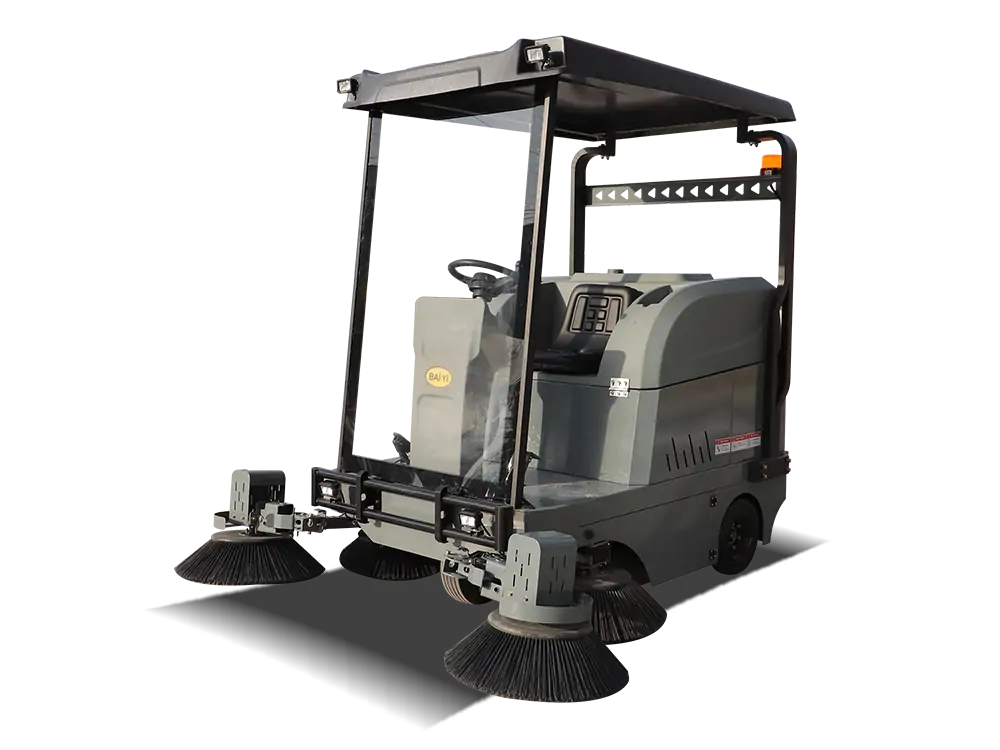
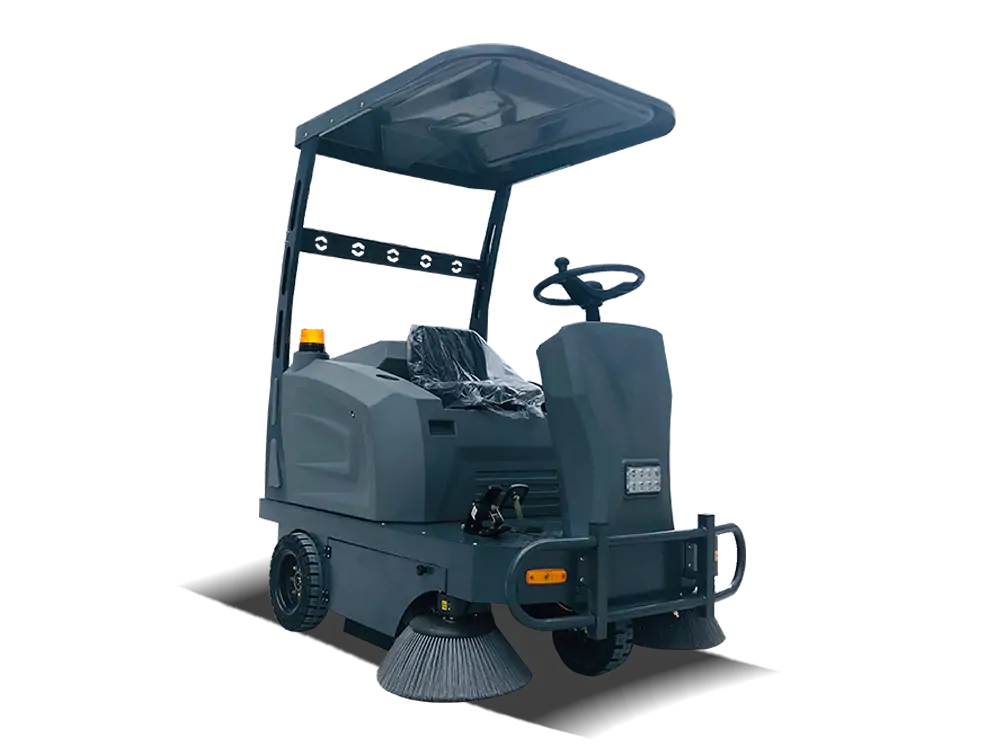
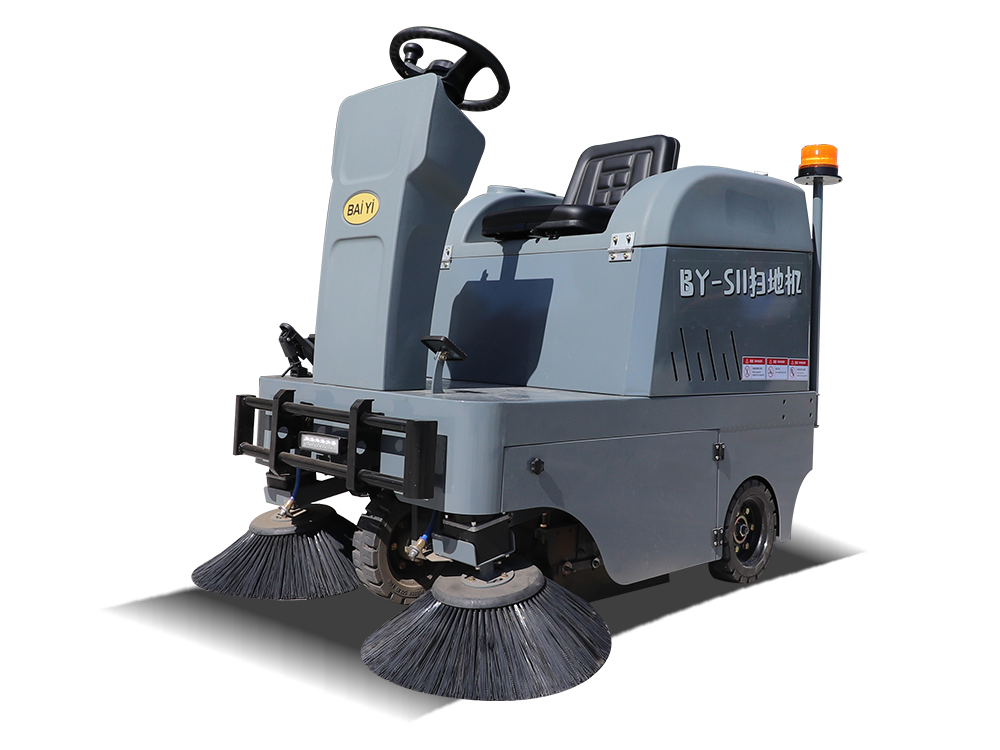
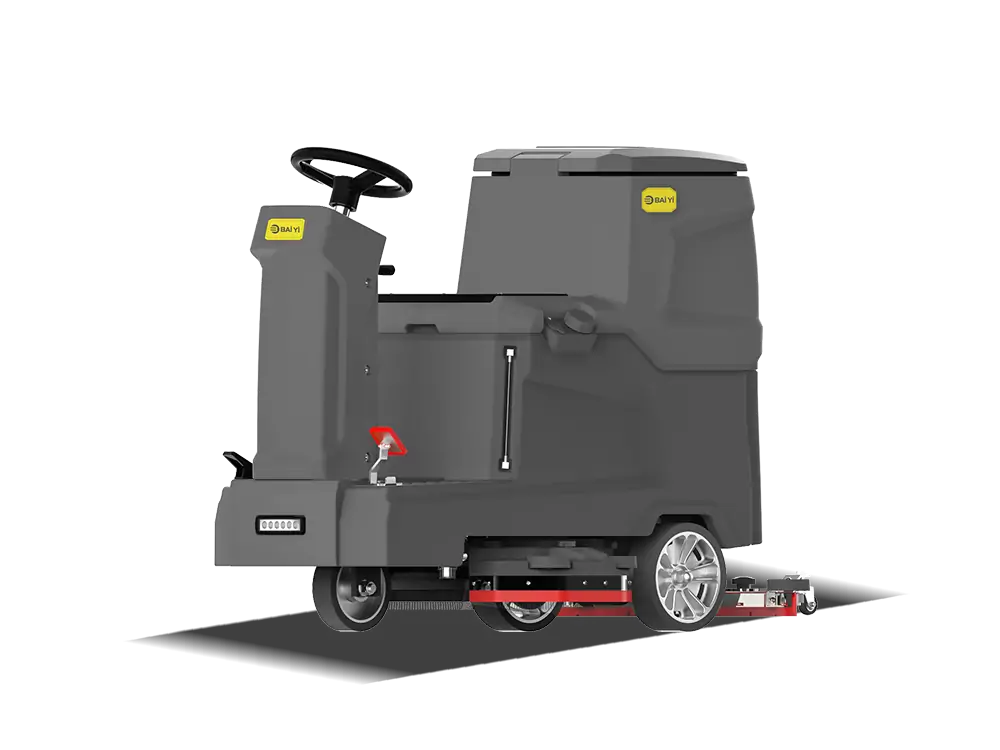
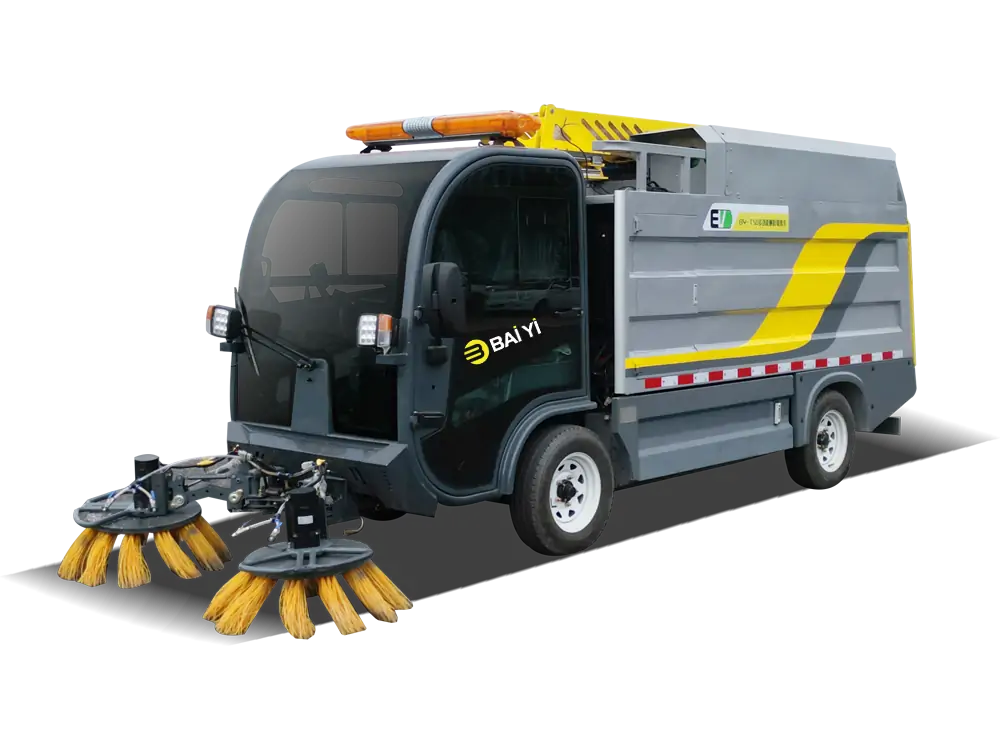
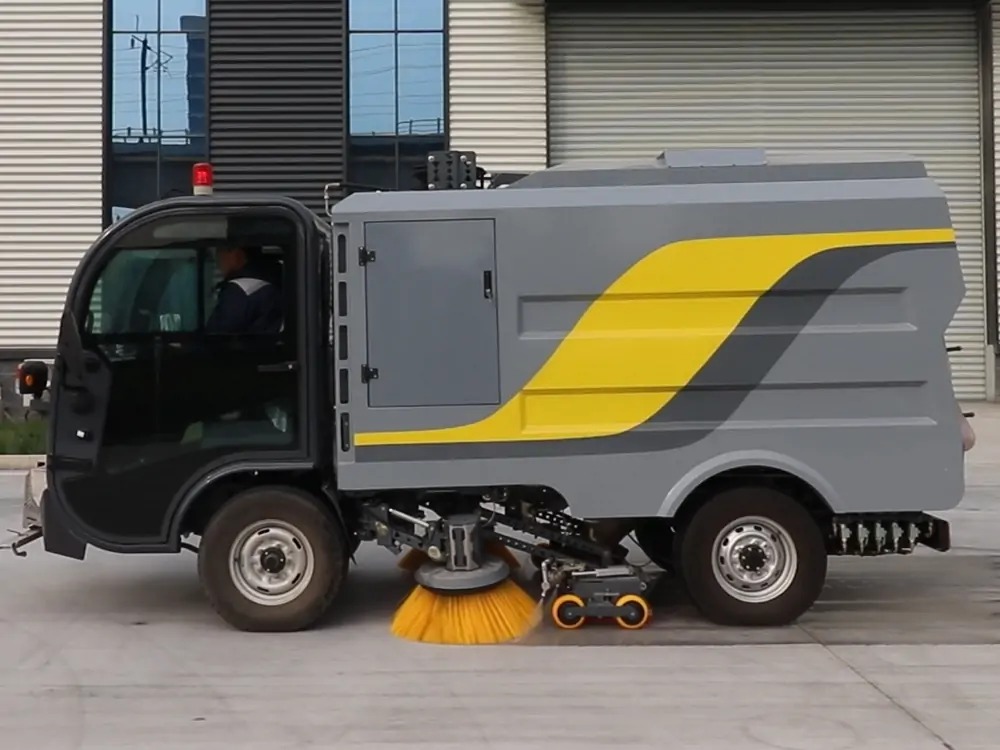
For community roads, park pathways, small and medium municipal roads, and industrial park roads, the BY-S50 is better positioned as a mid-small ride-on sweeper. Official specifications show that the BY-S50 has a sweeping width of 2.2 m, a maximum sweeping efficiency of 25,000 m²/h, a 3000 L trash bin, a 450 L clean water tank, a 100 L regeneration water tank, and a working time of 4–8 hours, with a top speed of 35 km/h. Compared with a more compact washer-sweeper, it offers stronger waste collection capacity and longer single-shift operation, making it ideal for routine cleaning on urban branch roads and open public areas.
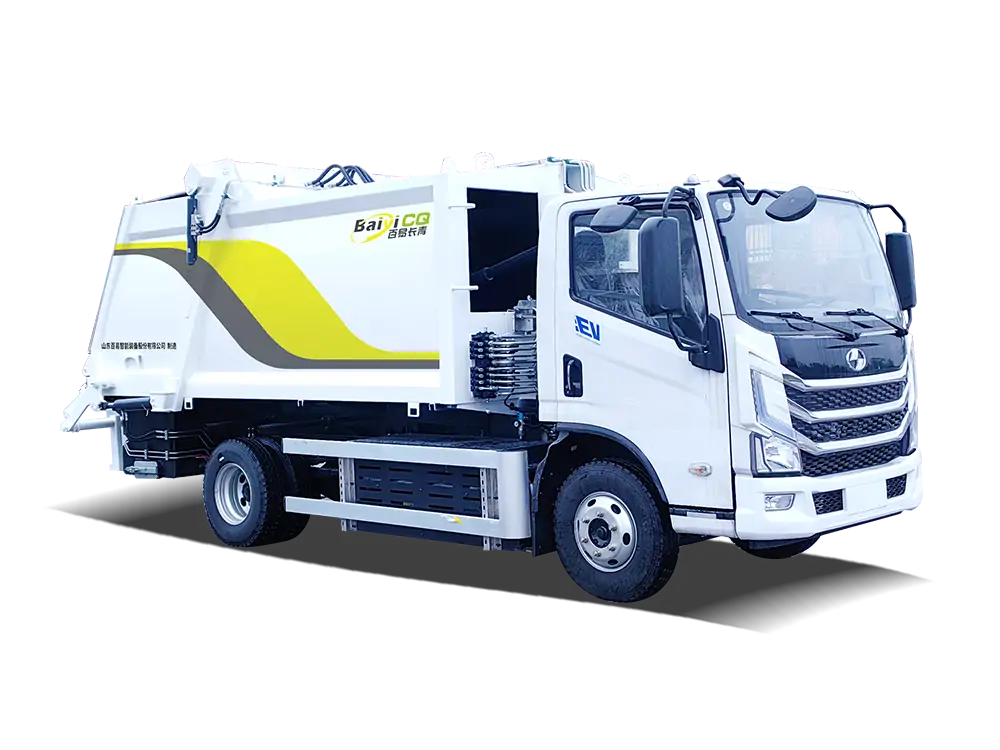
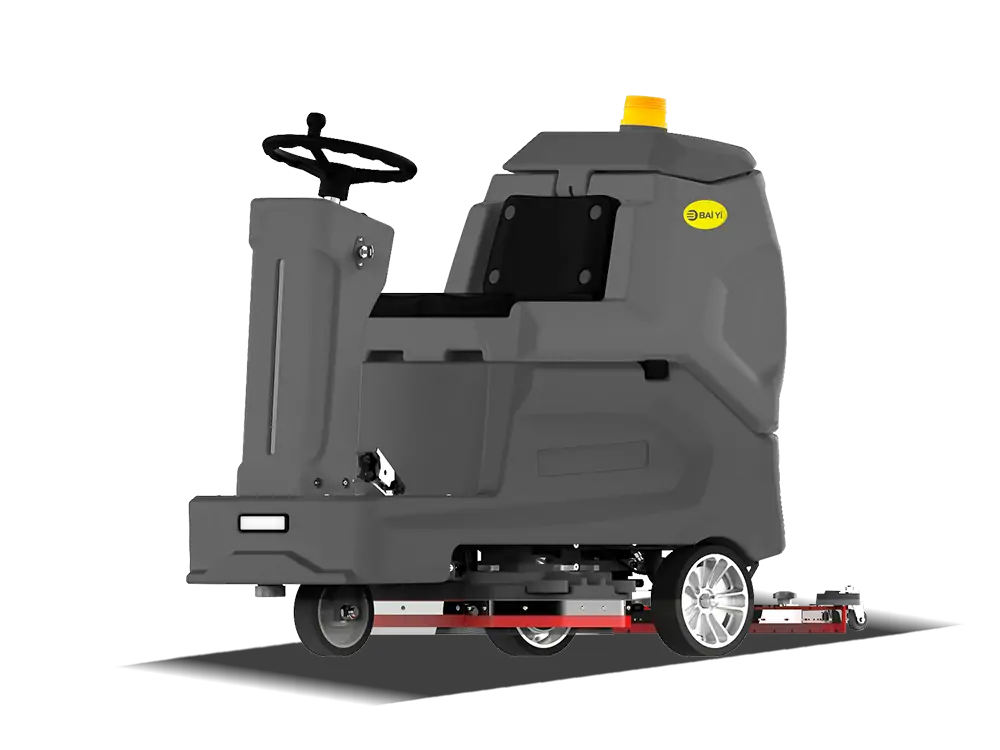
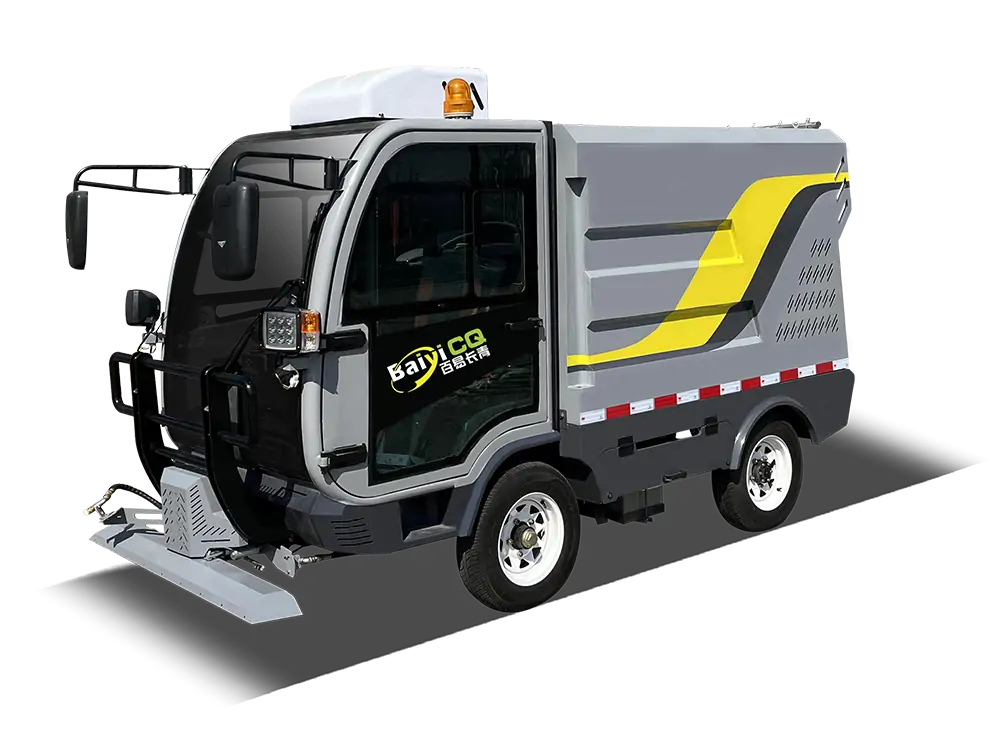
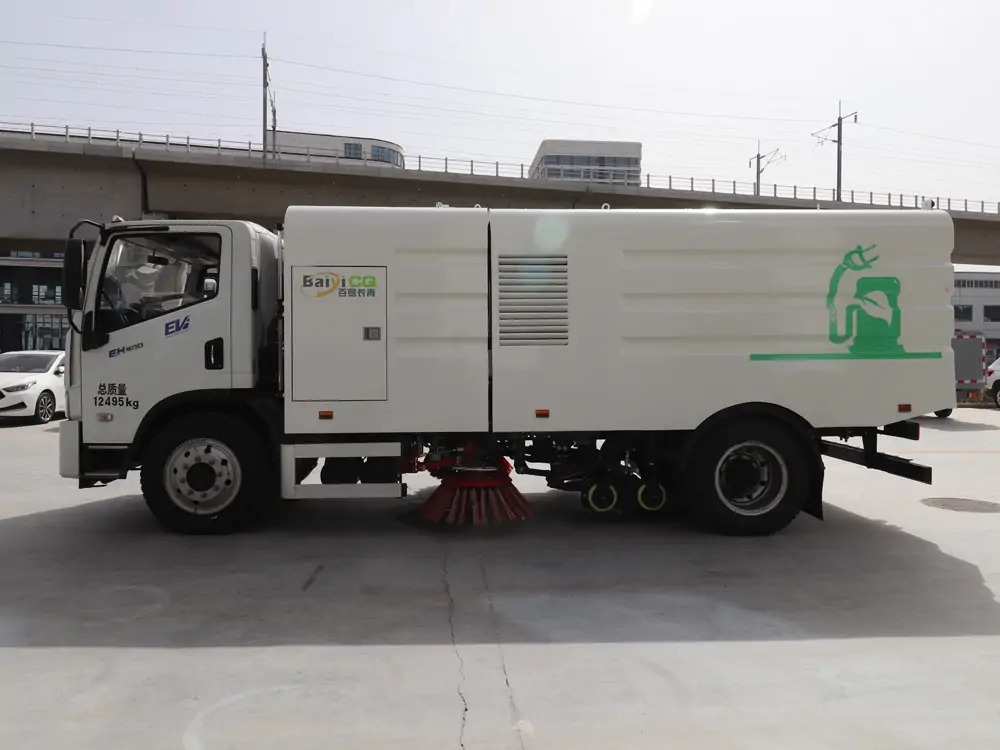
For secondary roads, functional district roads, industrial park main roads, and other urban roads that require a balance of maneuverability and continuous operating capability, the BY-CS12000 serves as a suitable 12.5-ton pure electric road washer and sweeper. It measures 7180 × 2365 × 2800 mm, has a gross vehicle weight of 12,495 kg, and a wheelbase of 4170 mm. Its clean water tank volume is not less than 6.5 m³, and its garbage bin volume is not less than 4.5 m³. With a maximum wash-and-sweep width of 3000–3500 mm and a maximum sweeping capacity of 50,000 m²/h, it is well suited as a core vehicle for frequent cleaning over medium-sized service areas.
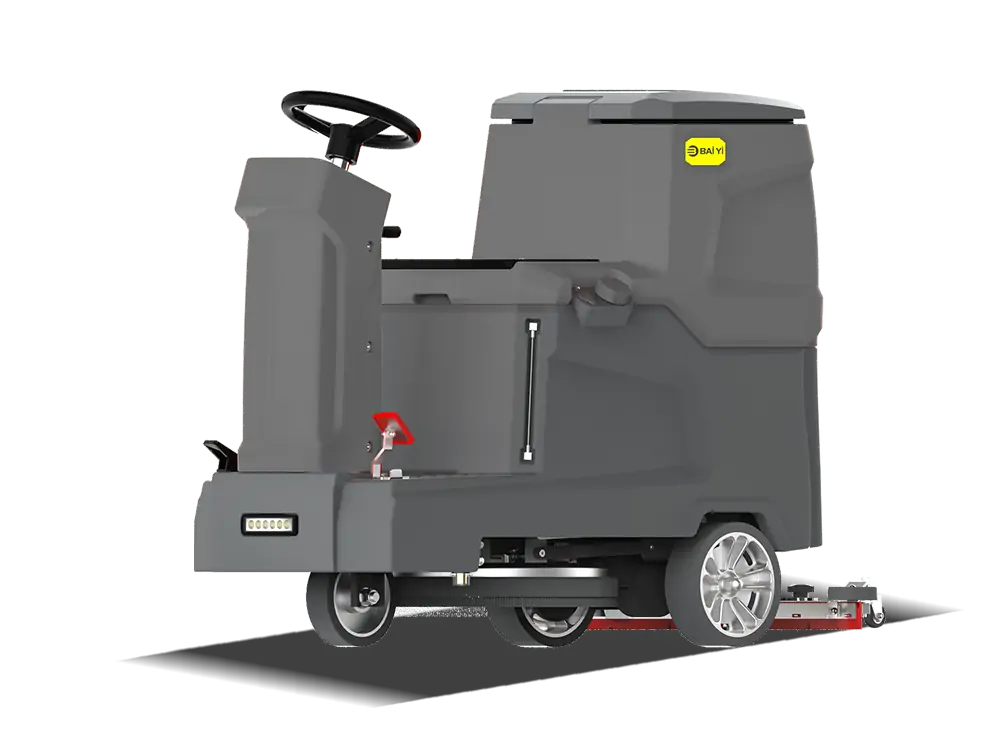
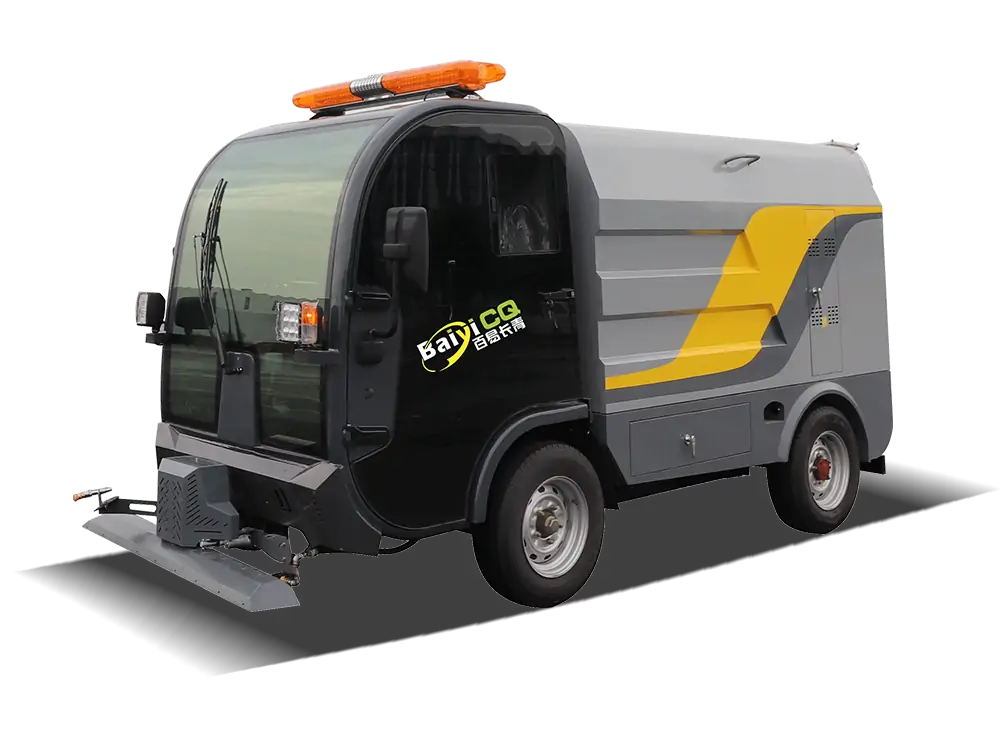
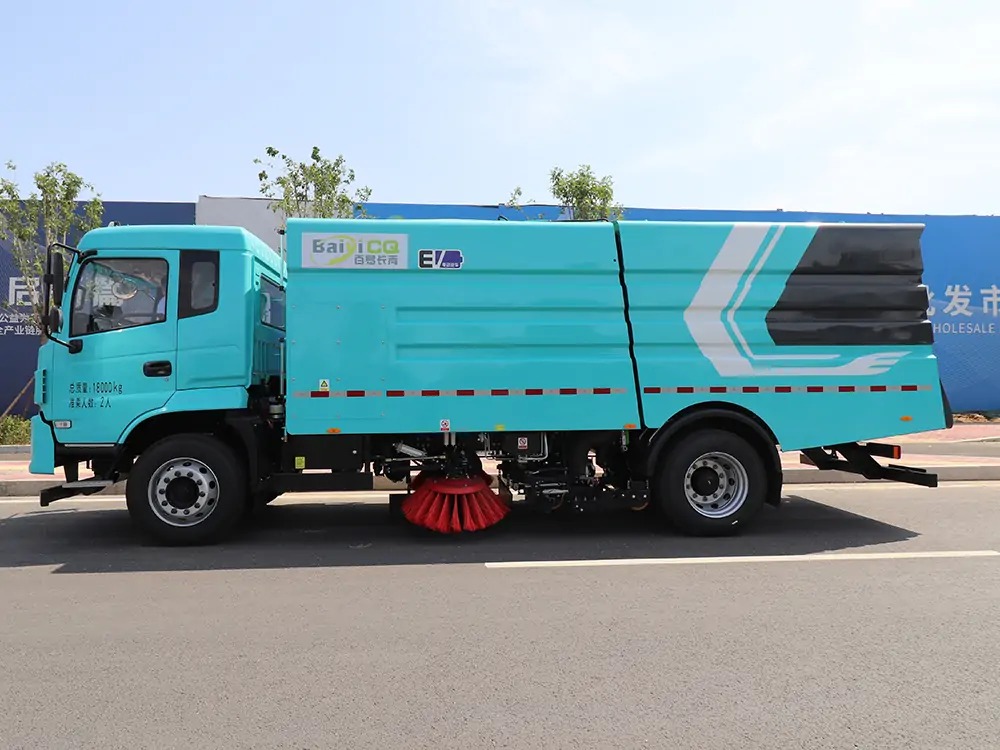
For city arterial roads, landscape avenues, expressways, and long-distance continuous cleaning tasks, the heavy-duty BY-CS18000 offers clearer platform advantages. This 18-ton pure electric road washer and sweeper measures 9000 × 2550 × 3240 mm and has a gross vehicle weight of 18,000 kg. Its clean water tank volume is not less than 8 m³, and its garbage bin volume is not less than 7 m³. With a maximum wash-and-sweep width of 3000–3500 mm and a maximum sweeping capacity of 50,000 m²/h, it is more suitable for large-area, long-route, high-intensity main road cleaning operations.
The Core Differences Between These Machines Are Not Just Their Size, but Their Functional Positioning
In actual procurement, many users tend to group sweepers, washer-sweepers, and high-pressure cleaning vehicles together. In reality, these machines serve different cleaning objectives.
The BY-S50 is more focused on efficient sweeping and debris collection. It is suitable for handling dust, leaves, paper scraps, and routine granular waste on small and medium roads, with the main goal of improving sweeping efficiency and single-shift coverage.
The BY-CS60 places more emphasis on integrated washing and sweeping. It can both sweep and perform wet cleaning with dirt recovery, making it more suitable for applications where dust suppression, higher road cleanliness, and detailed cleaning performance are especially important.
The BY-CS12000 and BY-CS18000 are standard municipal pure electric washer-sweeper platforms. Their main strengths lie in larger tank capacity, longer route coverage, higher operating speed, and stronger suitability for arterial-road applications. These two models are better suited as the backbone of a municipal sanitation fleet, taking on stable, continuous, and high-frequency road cleaning tasks.
Range and Charging Efficiency Determine Whether Electric Equipment Can Truly Replace Conventional Vehicles
Whether new energy sanitation vehicles can truly handle high-frequency operations depends not only on nominal driving range, but on actual duty performance under working conditions.
The BY-CS60 uses a 72V/600Ah–800Ah lithium battery, with an official working range of 80–100 km and fast charging in 2–3 hours. For a compact washer-sweeper, this charging efficiency is sufficient for routine refined-cleaning operations.
The BY-S50 uses a 72V/600Ah lithium battery. The official specifications focus more on a working time of 4–8 hours rather than a simple driving range figure. This indicates that it is better suited to enclosed or semi-open areas, fixed-shift operation, and medium-short distance cyclic sweeping.
The BY-CS12000 uses a CATL lithium iron phosphate battery with specifications of 540.96 V and 300 Ah, for a total energy capacity of 162.28 kWh. Its range is 375 km, and high-voltage fast charging from 30% to 80% state of charge takes about 2 hours. Its cleaning, standard sweeping, and intensive sweeping operating time is 4–6 hours. This gives it strong shift adaptability for medium-sized municipal road operations.
The BY-CS18000 also uses a CATL lithium iron phosphate battery, rated at 618.24 V and 456 Ah, with a total energy capacity of 281.92 kWh. Its driving range reaches 405 km, and it also supports 2-hour high-voltage fast charging, with 4–6 hours of cleaning, standard sweeping, and intensive sweeping operation. For arterial roads and expressways that require long-route continuous cleaning, this configuration offers stronger practical value.
Tank Capacity Directly Affects Continuous Operating Efficiency
In municipal road cleaning, frequent returns for refilling water and unloading waste significantly reduce per-shift productivity, which is why tank capacity is a critical factor.
The BY-CS60 is equipped with a 1 m³ water tank and a 1.3 m³ garbage bin, making it suitable for short-route, high-mobility, refined cleaning operations.
The BY-S50, with its 3000 L trash bin, 450 L clean water tank, and 100 L regeneration water tank, is better suited for longer continuous sweeping in small and medium areas.
The BY-CS12000, with a clean water tank volume of at least 6.5 m³ and a garbage bin volume of at least 4.5 m³, is suitable for routine continuous cleaning in medium-sized road districts.
The BY-CS18000, with a clean water tank volume of at least 8 m³ and a garbage bin volume of at least 7 m³, is better suited for reducing refill frequency and increasing single-vehicle coverage on arterial roads.
Procurement Should Focus Not Only on Specifications, but on Application Fit
From a practical procurement management perspective, the best machine is not necessarily the largest one, nor the one with the highest single specification. It is the one that best matches the local road structure and operational model.
If the main cleaning targets are community roads, park walkways, back streets, and bicycle lanes, then compact and medium-small machines such as the BY-CS60 and BY-S50 can deliver better efficiency.
If the main cleaning targets are secondary roads, industrial park main roads, and urban functional district roads, then the BY-CS12000 is a more suitable core model.
If the city needs to cover large arterial roads, expressways, and landscape avenues, then the BY-CS18000 should be prioritized as a heavy-duty platform.
For a mature municipal sanitation system, the more effective approach is usually not a single-model procurement strategy, but a multi-level fleet configuration: compact machines for refined cleaning, mid-size machines for routine coverage, and heavy-duty machines for main transport corridors.
Conclusion
Choosing the right electric road washer and sweeper is ultimately about balancing road adaptability, continuous operating capability, cleaning performance, charging efficiency, and long-term operating cost. Through the BY-CS60, BY-S50, BY-CS12000, and BY-CS18000, Baiyi has established a relatively complete municipal road cleaning product lineup.
Among them, the BY-CS60 is better suited to narrow roads and refined integrated washing and sweeping applications. The BY-S50 is more suitable for small and medium road sweeping in communities and industrial parks. The BY-CS12000 serves as a strong mid-size core platform for secondary roads and functional districts, while the BY-CS18000 is better suited for high-intensity continuous operations on arterial roads and expressways.
For municipal departments seeking to upgrade to new energy sanitation equipment, a rational combination of different vehicle classes based on road grade, shift organization, and district-level operating demand often provides greater long-term value than relying on a single type of equipment.