


















News
How Large Sweeping Vehicles Improve Efficiency in Industrial Park Cleaning
In the context of modern park and campus management, challenges such as high labor costs, low cleaning efficiency, and complex scheduling have become increasingly prominent. Whether it’s an industrial park, tech campus, or logistics hub, the vast area, diverse waste types, and high-frequency cleaning demands make it difficult for traditional manual methods to keep up with operational expectations.
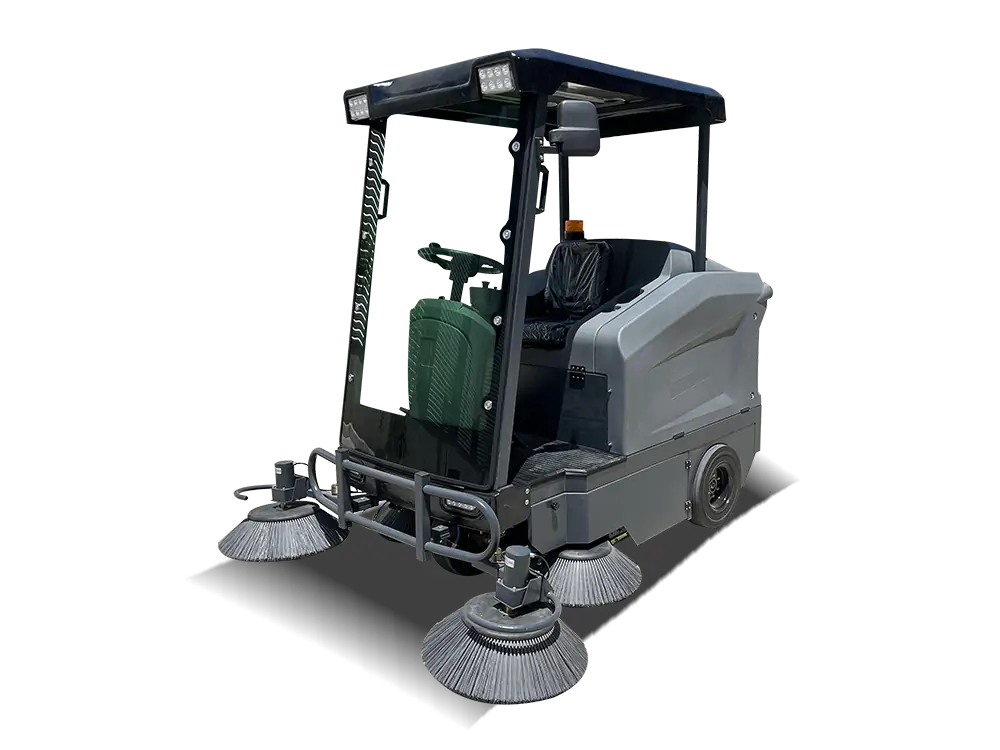
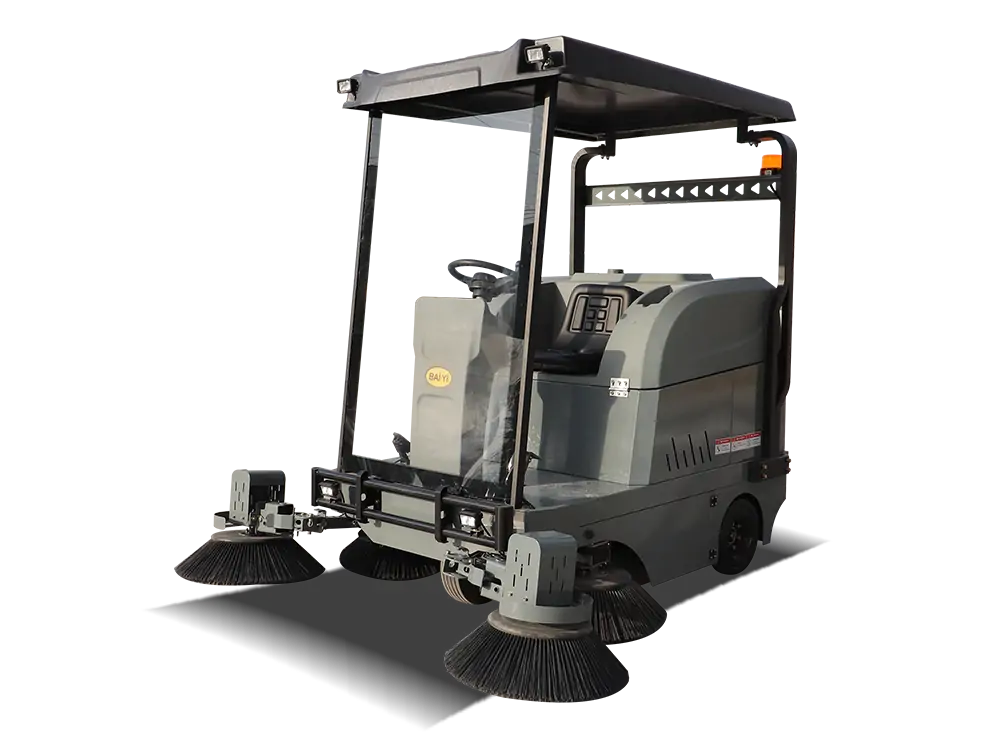
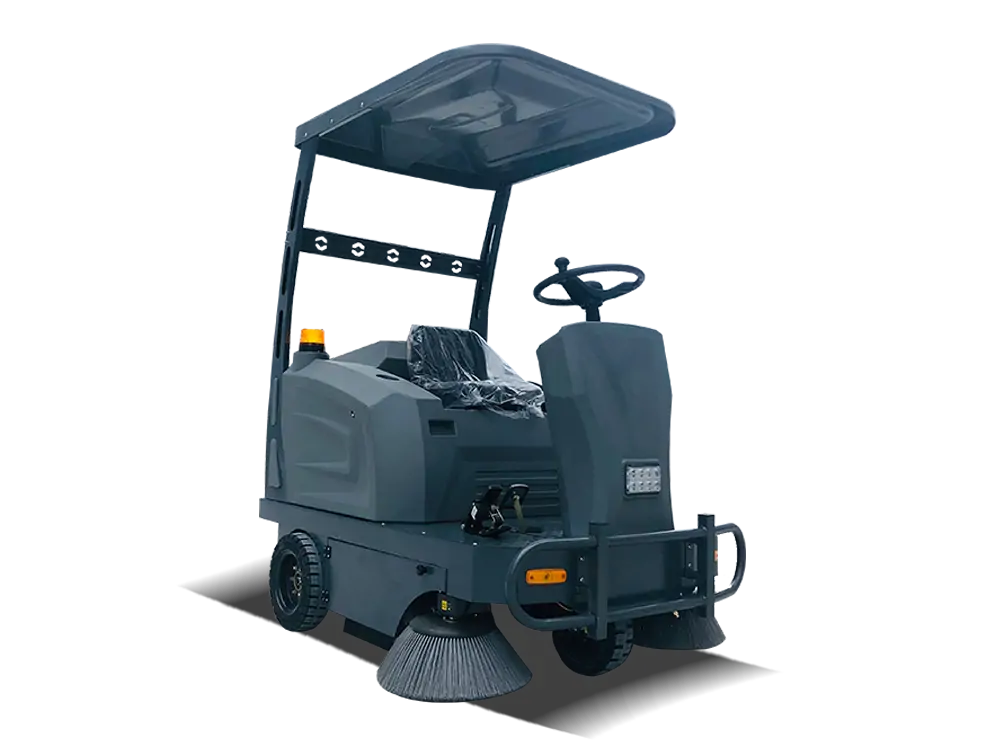
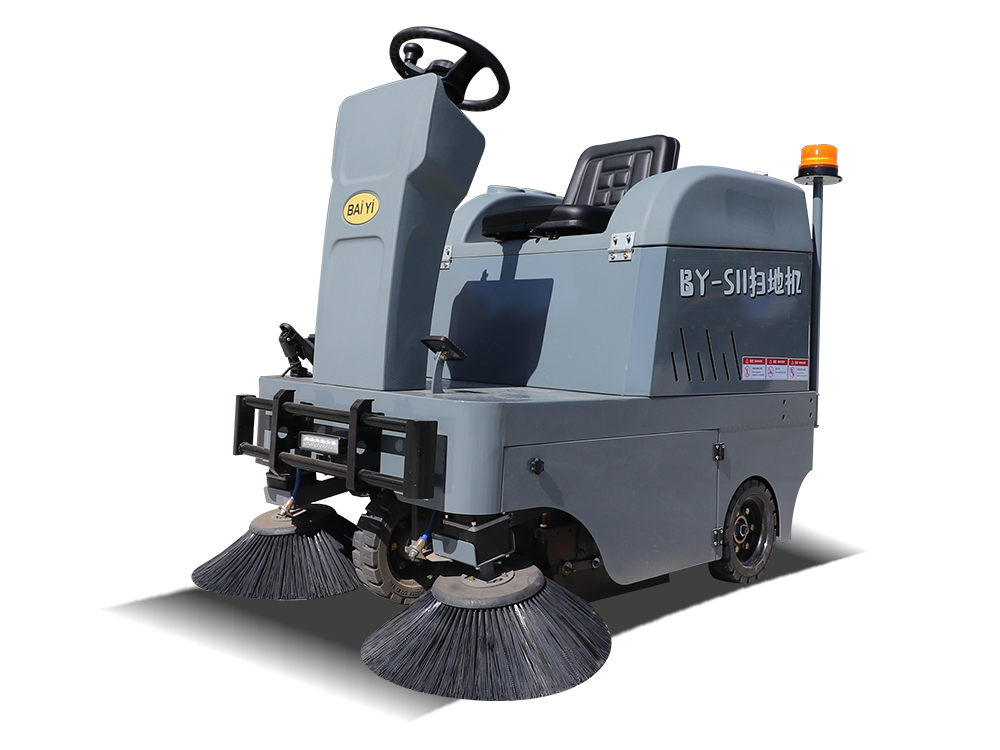
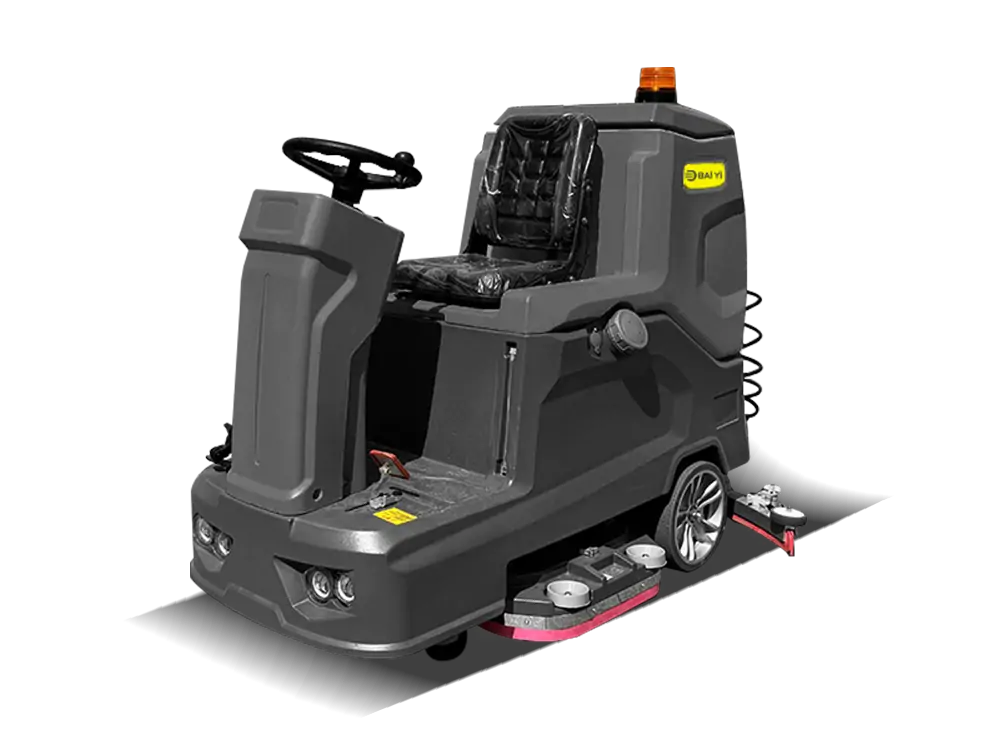
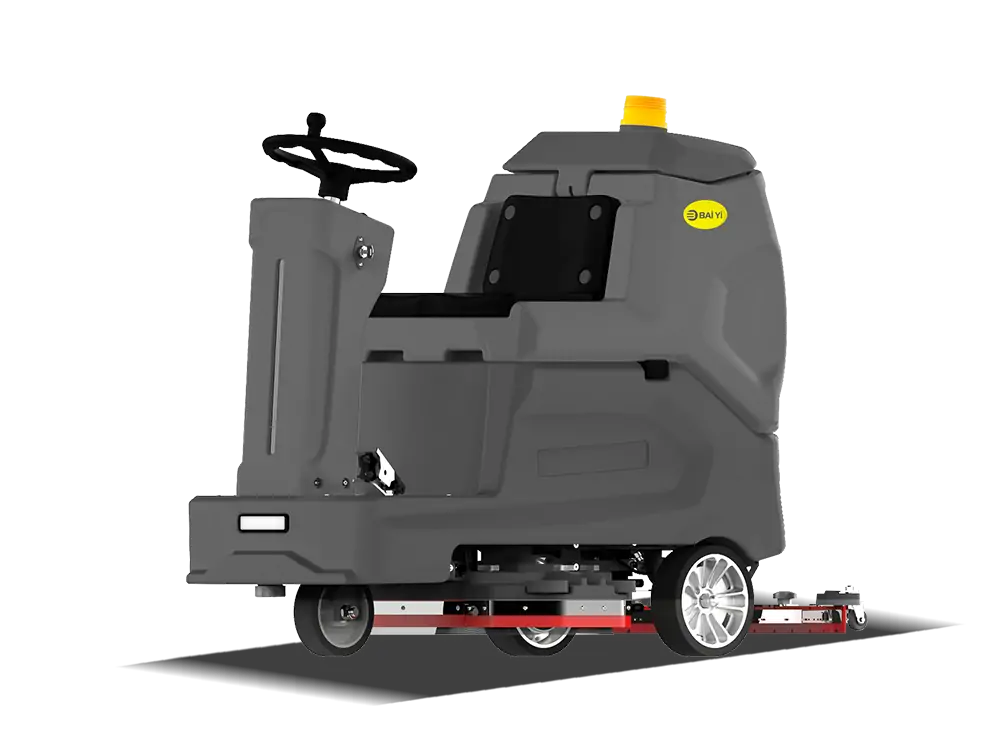
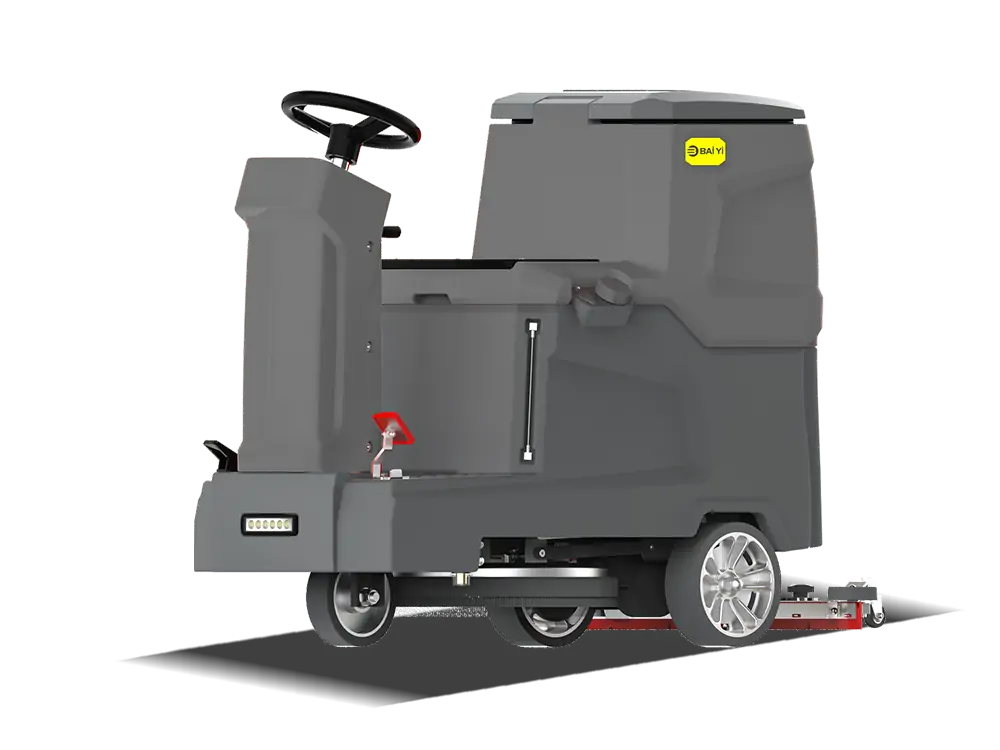
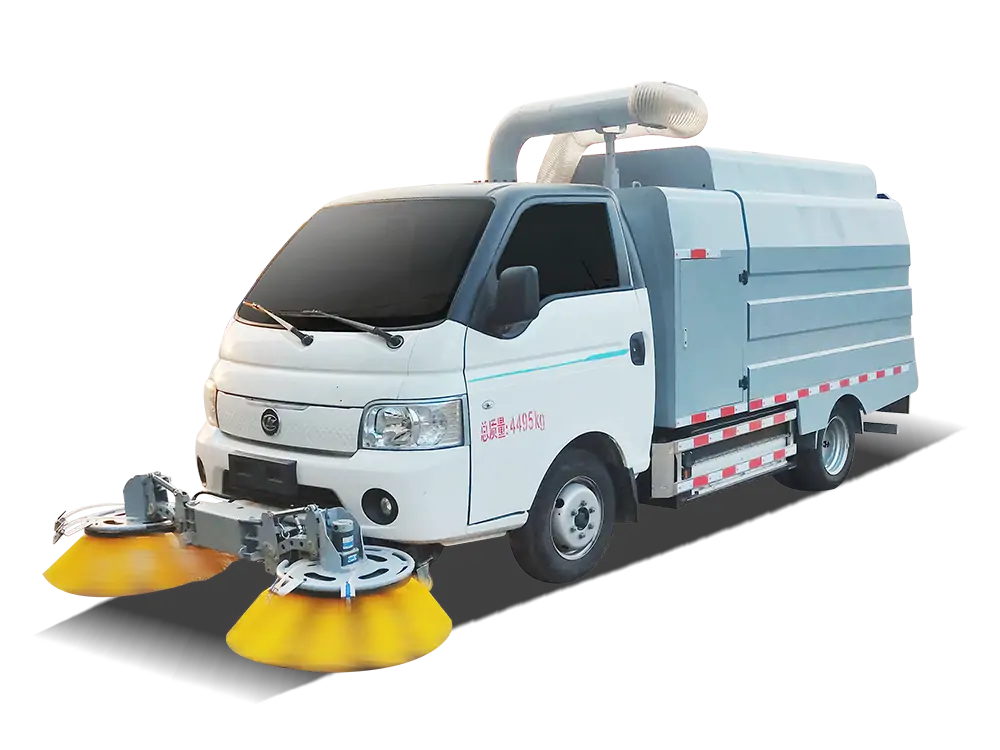
As cleaning equipment technology continues to evolve, large-scale electric sweeping vehicles have emerged as a powerful solution. These machines are transforming the way facilities handle environmental hygiene—delivering significant economic benefits while dramatically improving cleanliness standards.
1. Significant Labor Cost Reduction and Operational Savings
Traditional manual cleaning relies on large teams of workers scheduled around the clock. This approach leads to high labor costs, logistical difficulties, and inconsistent efficiency—especially in extreme weather conditions such as heat, wind, rain, or snow, where manual operations are not only inefficient but potentially unsafe.
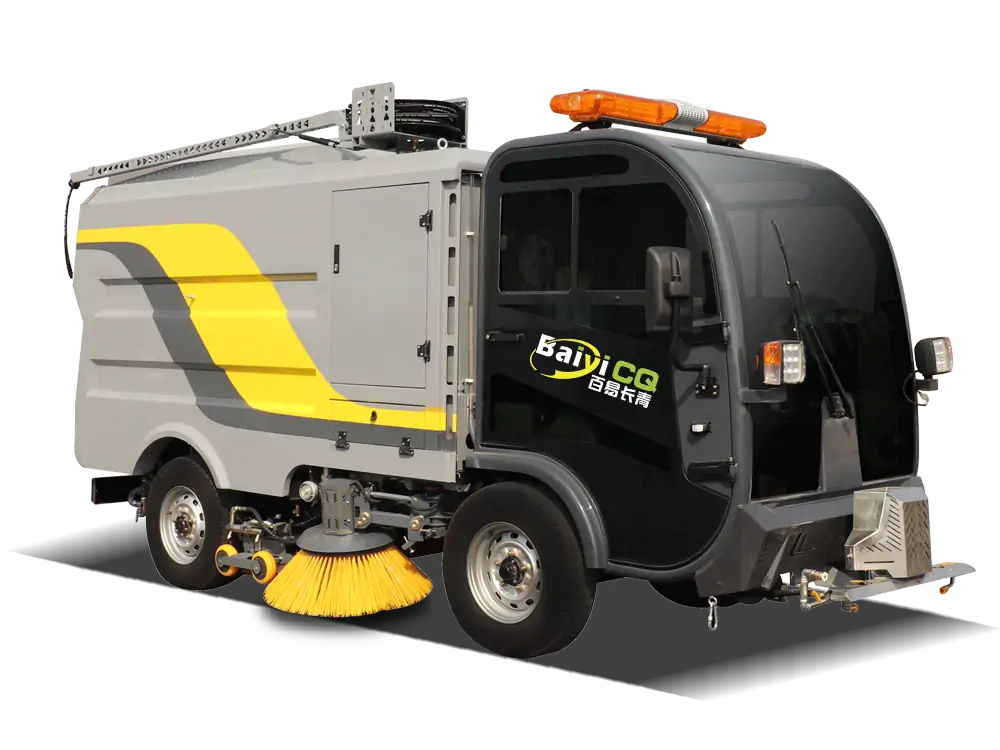
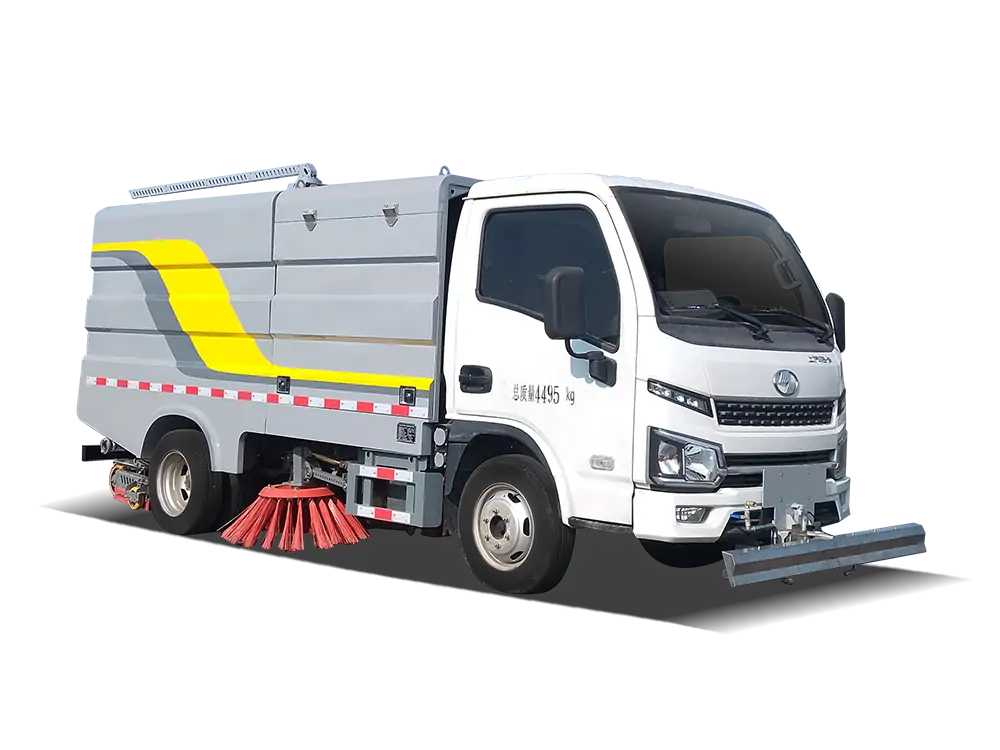
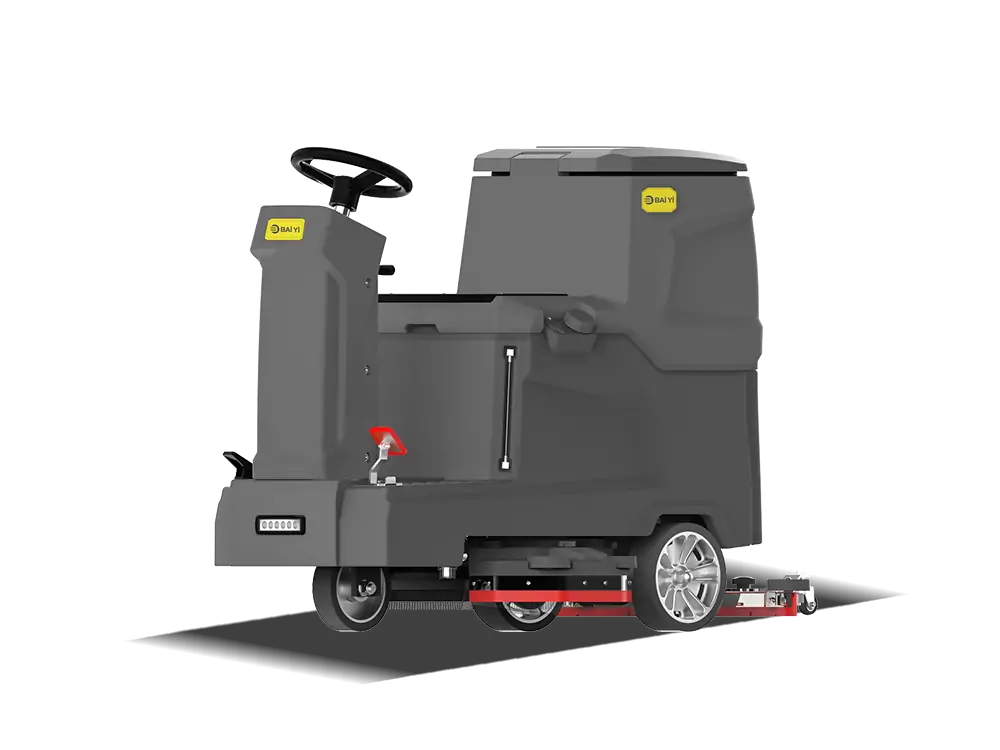
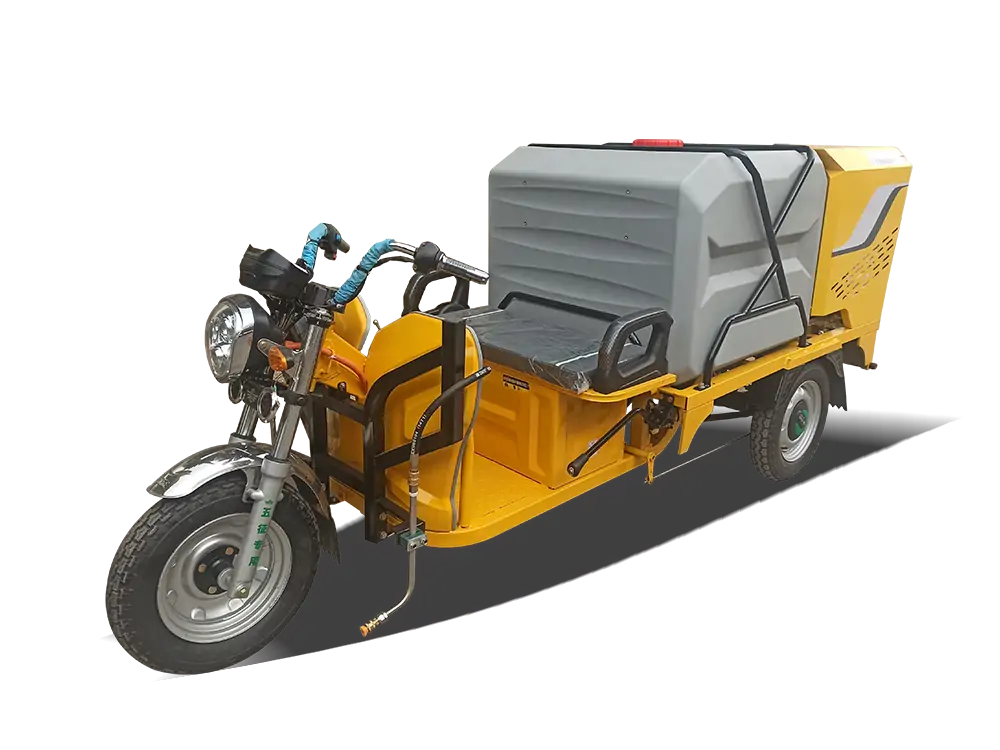
A single large sweeping vehicle can replace 5 to 8 cleaning staff, operating continuously to maintain cleanliness throughout the facility. For management, this translates into long-term savings on recruitment, training, and wages, while simplifying task scheduling and oversight.

2. Enhanced Cleaning Quality and Sanitary Standards
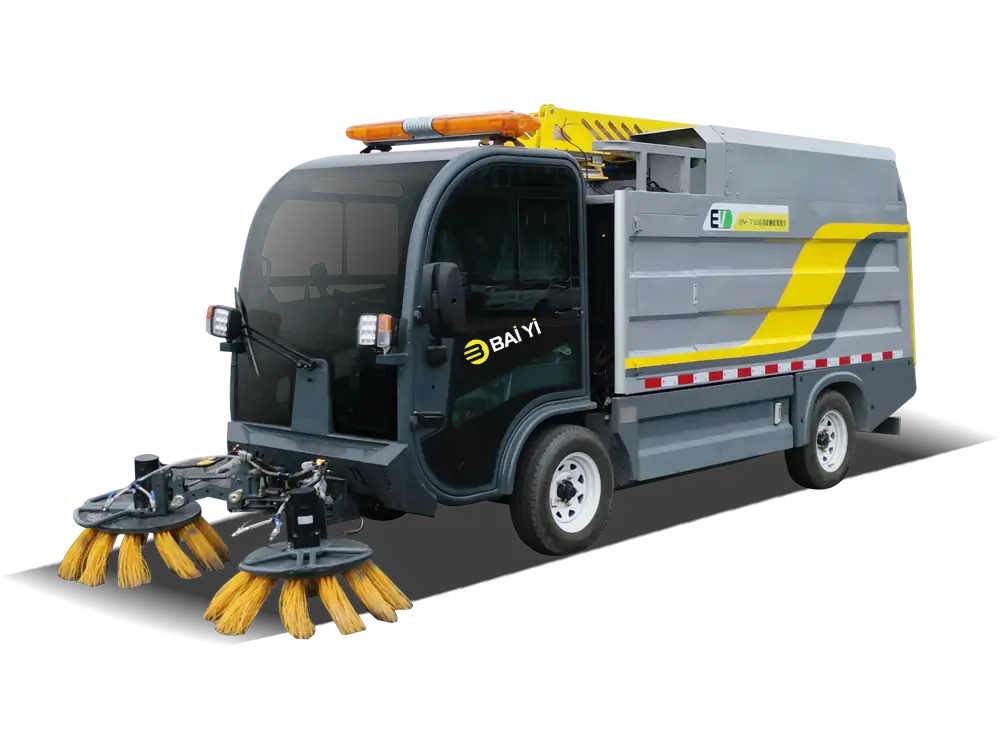
Unlike manual sweeping, which often misses smaller debris and leaves dust behind, sweeping vehicles use an integrated “sweep-and-vacuum” system to collect dirt, trash, leaves, and even PM2.5 fine particles. This leads to a measurable improvement in both surface cleanliness and air quality.
With high-speed operation, broad cleaning coverage, and minimal need for manual intervention, these vehicles ensure consistent results with fewer blind spots or repetitive tasks. The result is a cleaner, more polished park environment that enhances the overall image and comfort of the facility.
3. Scenario-Based Customization for Various Park Types
One of the key strengths of sweeping vehicles lies in their adaptability. They can be customized and configured to meet the unique cleaning needs of different park types:
-
Industrial Parks: High suction power and advanced filtration systems are ideal for metal scraps, dust, and industrial residues.
-
Tech Campuses: Noise-sensitive environments benefit from low-noise electric motors and rubber tires to ensure silent operation during working hours.
-
Logistics Parks: High waste output from packaging materials requires large-capacity waste bins and frequent operation cycles for efficient handling.
This targeted, scenario-based approach turns sweeping vehicles into a key component of refined, data-driven facility management.
Conclusion
The adoption of large-scale sweeping vehicles is reshaping traditional cleaning models in modern industrial and commercial parks. By reducing reliance on manual labor and improving operational efficiency, these vehicles support smarter, cleaner, and more cost-effective environments.
With proper configuration and thoughtful deployment, they help achieve both performance and image goals—paving the way for a more modern and professional approach to park management.